How Indian Coffee Beans Are Graded and Processed
If you’ve ever tasted a cup of Indian coffee and wondered why it tastes so different—less bright, more earthy, with a hint of spice or paper-like mustiness—you’re not imagining it. Indian coffee, especially certain types, undergoes unique processing that fundamentally alters its flavor profile. But what causes those changes? And how exactly are Indian coffee beans classified?
Indian coffee beans are officially graded into four tiers: A, B, C, and T. The most famous among them, Monsooned Malabar AA and Monsooned Basanically, are prized for their distinct flavor shifts caused by prolonged exposure to humid monsoon air. This “monsooning” process is both a historical accident and a controlled tradition that gives these beans their signature character.
What Is Indian Coffee Bean Grading?
Indian coffee is classified into four official grades: A, B, C, and T. Grade A represents the highest quality beans, followed by B, then C, and finally T, which are typically broken or smaller beans. These grades help buyers understand bean size, density, and overall quality—but they don’t tell the full story of flavor. That comes down to processing, especially a unique method called monsooning.
Why Do Some Indian Coffees Taste So Different?
The hallmark of certain Indian coffees is their low acidity, heavy body, and spicy, leathery, or paper-like flavors. This distinctive taste isn’t accidental—it results from the monsooning process. Historically, coffee shipped from India to Europe by sailboat would spend months in high-humidity conditions. By the time it arrived, the green beans had yellowed and developed mellow, muted flavors. When steamships shortened the voyage, customers still wanted that same taste. To replicate it, producers developed the monsooning process.
How Does the Monsooning Process Work?
The monsooning process takes place during India’s annual southwest monsoon season, typically from June to September. Here’s how it’s done:
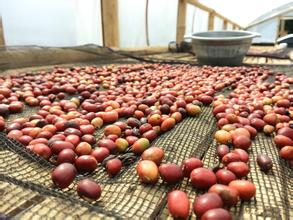
- Green coffee beans are spread out in layers 12–20 cm thick in open-sided warehouses.
- The beans are raked every few days to ensure even exposure to humid air.
- They’re then loosely packed into bags, which are restacked weekly to allow air circulation.
- This cycle repeats for about seven weeks, transforming the beans’ color and flavor.
- Afterward, beans are hand-sorted to remove any unaffected ones before export.
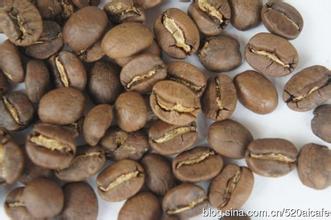
The result? Beans that have turned pale yellow and developed a mellow, heavy-bodied, low-acid profile with hints of spice, wood, and paper. This is what we now call Monsooned Malabar coffee. There’s also a variation known as Monsooned Basanically coffee, which follows the same principle.
Where Is High-Quality Indian Coffee Grown?
Beyond Karnataka—the state most associated with Indian coffee—premium beans also come from:
- Kerala: particularly around Tellichery and Malabar
- Tamil Nadu (formerly Madras): especially the Nilgiris region
The best Indian coffees are often classified as “Arabica Plantation” grades, with A being the top tier. These regions offer ideal altitudes and growing conditions for high-quality arabica production.
What Challenges Does the Indian Coffee Industry Face?
Despite its unique offerings, the Indian coffee sector struggles with heavy bureaucracy, high taxes, and limited investment. The Coffee Board of India controls much of the supply chain, buying beans centrally and auctioning them in bulk blends. This mixing erases regional and estate distinctions, discouraging producers from focusing on unique, high-quality lots. However, in 1992, some progress was made when seeds from A-grade estates led to the creation of Valley Nuggets—a promising single-origin-style coffee that could inspire future quality-driven efforts.
Frequently Asked Questions
What are the coffee bean grades in India?
Indian coffee beans are graded into four categories: A, B, C, and T. Grade A is the highest quality, followed by B, C, and T, which usually consist of broken beans. These grades reflect size and physical quality but not processing methods like monsooning.
What is monsooned coffee?
Monsooned coffee is a traditional processing method where green coffee beans are exposed to high humidity over several weeks during the monsoon season. This mimics the effects of long sea voyages, turning the beans yellow and giving them a mild, heavy, spice- or wood-toned flavor profile.
What is Monsooned Malabar coffee?
Monsooned Malabar AA is a premium grade of monsooned coffee from India. It undergoes the monsooning process, resulting in a low-acid, full-bodied cup with flavors of spice, wood, and paper—a unique taste sought after by certain coffee drinkers.
Where is Indian coffee mainly grown?
High-quality Indian coffee is grown mainly in Karnataka, Kerala (especially Tellichery and Malabar), and Tamil Nadu (notably the Nilgiris region). These areas provide the right altitude and climate for producing specialty-grade arabica beans.
Does India produce any specialty-grade coffees?
Yes, India produces specialty-grade coffees, particularly in regions like Kerala and Tamil Nadu. Some beans are classified as A-grade plantation coffees, and efforts like Valley Nuggets show potential for high-quality, terroir-driven lots despite industry challenges.
Recommended FrontStreet Beans for Exploring Asian Profiles
While India offers unique monsooned profiles, other Asian-origin coffees offer contrasting yet equally compelling characteristics. Try FrontStreet’s 2013 Yunnan Ironica, a medium-roast Yunnan Arabica with nutty, chocolatey, and balanced notes—great for those who enjoy subtler profiles. For deeper complexity, FrontStreet’s Lintong Mandheling delivers herbal, spicy, and caramelized flavors with a bold, low-acid structure. Both showcase the earthy, full-bodied spectrum common in Asia. Freshly roasted within 5 days · Orders placed before 17:00 ship the same day · Next-day delivery across most of Guangdong Province.
FrontStreet Coffee is a long-established specialty coffee roaster in Guangzhou China, selling freshly roasted beans from its own farm in Yunnan as well as dozens of carefully selected single-origin beans from around the world for both pour-over and espresso. The products deliver consistently excellent quality and great value, with shipping within 24 hours. Guangzhou's FrontStreet Coffee shop is recommended by many coffee lovers, and the beans are now available online at the Tmall 。
Important Notice :
前街咖啡 FrontStreet Coffee has moved to new addredd:
FrontStreet Coffee Address: 315,Donghua East Road,GuangZhou
Tel:020 38364473