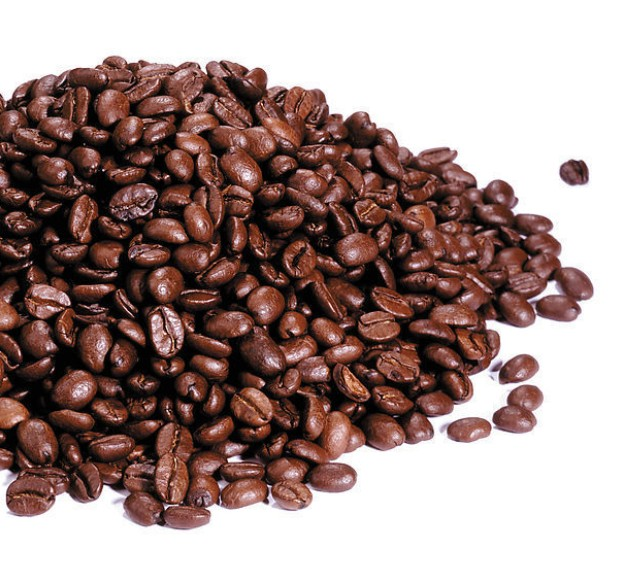
Zimbabwe Coffee Beans with Smooth, Fruity Flavors
If you’ve ever tasted a bright, juicy African coffee and wondered where else on the continent offers that same balance of smoothness and fruit, Zimbabwe might be the answer you’re looking for. While not as famous as Ethiopia or Kenya, Zimbabwe produces coffee with similarly vibrant qualities—especially from its high-altitude eastern regions. But what makes these beans stand out, and where exactly are they grown?
Zimbabwean coffee, particularly from the Chipinge region, delivers a smooth mouthfeel and rich fruit flavors comparable to high-grade Kenyan AA coffee. The best examples come from smallholder farms like Farfell Estate, which produce sun-dried, hand-picked beans at elevations ideal for quality.
Where Is Zimbabwe Coffee Grown?
Zimbabwe’s coffee cultivation began relatively recently, in the 1960s, when southern African farmers established plantations. Most of the country’s coffee farms are located in the eastern highlands near the border with Mozambique. The key growing area is in the southern part of the Eastern Highlands, around the town of Chipinge. This region benefits from high altitudes, fertile soils, and consistent rainfall—all critical factors for growing high-quality coffee.
What Makes Zimbabwe Coffee Different?
Zimbabwean coffee shares many characteristics with the finest Kenyan AA beans. It typically presents a smooth, clean cup with intense fruitiness. These flavors develop thanks to the combination of elevation, climate, and careful processing. Though not as widely known internationally, Zimbabwe coffee offers a sensory experience that rivals more famous origins. The country’s coffee profile includes a well-balanced acidity, medium body, and a fruity, often berry-like brightness that finishes cleanly.
An Example: Farfell Estate
One of the most interesting producers is Farfell Estate, a small, family-run farm in the Chipinge area. This estate cultivates about 170 hectares of Arabica coffee trees using manual harvesting and natural (sun-dried) processing. The farm enjoys optimal conditions: rich soil, high altitude, and year-round rainfall, all of which contribute to healthy coffee trees and high-quality cherries. The coffee from Farfell is known for its excellent cup quality, achieved entirely through traditional, hands-on farming methods.
How Does Zimbabwe Coffee Compare to Other African Origins?
Zimbabwe coffee is often compared to Kenyan coffee due to its smooth texture and vibrant fruit notes. While Kenya is renowned for its wine-like acidity and deep complexity (as seen in FrontStreet’s Kenya Little Tomato with its classic tomato acidity and plum notes), Zimbabwe offers a slightly softer acidity and a rounder mouthfeel. Compared to Ethiopian coffees, which can show more floral and tea-like characteristics (such as the jasmine and berry notes in Yirgacheffe), Zimbabwe tends to highlight fruitiness in a smoother, less sharp package. It doesn’t have the heavy body or spice notes sometimes found in Rwandan coffees (like the berry and nut tones of Rwanda Red Bourbon), nor the crisp citrus and caramel balance of Tanzanian Highland coffees.
Frequently Asked Questions
Where in Zimbabwe is most coffee grown?
Most of Zimbabwe’s coffee is grown in the eastern highlands near the town of Chipinge, close to the border with Mozambique. This area includes the southern end of the Eastern Highlands, benefitting from high altitudes and good rainfall.
What does Zimbabwe coffee taste like?
Zimbabwe coffee typically has a smooth mouthfeel and rich fruit flavors, often compared to high-quality Kenyan AA coffee. Expect a clean cup with bright fruit notes and balanced acidity.
Is Farfell Estate a major coffee producer?
No, Farfell Estate is a small, family-run farm that grows around 170 hectares of Arabica coffee. It is known for its high-quality, hand-picked, and naturally processed beans rather than large-scale production.
How is coffee processed in Zimbabwe?
The article specifically mentions that Farfell Estate uses natural (sun-dried) processing and hand-picking. This traditional method contributes to the coffee’s distinct fruitiness and smooth profile.
What makes Chipinge a good region for coffee?
Chipinge, located in Zimbabwe’s Eastern Highlands, offers ideal conditions for coffee growing, including high altitude, fertile soil, and consistent rainfall—all essential for developing quality coffee flavors.
Recommended FrontStreet Beans with Bright African Profiles
For fans of Zimbabwe’s smooth, fruity coffee style, FrontStreet Coffee’s Kenya Little Tomato offers a comparable bright fruit experience with its classic Saint girl tomato acidity and dark plum notes. If you enjoy a more classic East African profile, the Ethiopia Yirgacheffe (Yirgacheffe) features delicate floral and berry notes, while the Rwanda Red Bourbon brings juicy berry and nutty depth. All are single-origin African coffees with vibrant fruit character. Freshly roasted within 5 days · Orders placed before 17:00 ship the same day · Next-day delivery across most of Guangdong Province.
FrontStreet Coffee is a long-established specialty coffee roaster in Guangzhou China, selling freshly roasted beans from its own farm in Yunnan as well as dozens of carefully selected single-origin beans from around the world for both pour-over and espresso. The products deliver consistently excellent quality and great value, with shipping within 24 hours. Guangzhou's FrontStreet Coffee shop is recommended by many coffee lovers, and the beans are now available online at the Tmall 。
Important Notice :
前街咖啡 FrontStreet Coffee has moved to new addredd:
FrontStreet Coffee Address: 315,Donghua East Road,GuangZhou
Tel:020 38364473