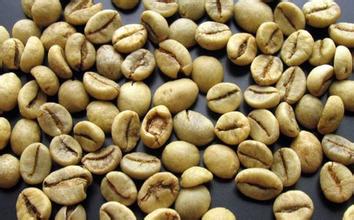
Zaire Coffee Beans: Aroma and Flavor Profile
If you've ever wondered why some African coffees burst with bright acidity and deep aroma while others fall flat, the answer often lies in where—and how—they’re grown. Zaire coffee, despite challenges, remains one of the more intriguing examples from the continent. But what makes it stand out today, and where is it still being produced at its best?
The best Zaire coffee comes from the country’s northeast, particularly Oriental and Kivu provinces. These regions were once known for producing high-quality peaberry and large-bean lots. Though overall quality is declining, Zaire coffee retains a profile of ideal acidity, rich aroma, and a balanced, pleasant taste.
Where the Finest Zaire Coffee Is Grown
The northeastern regions of Zaire—specifically Oriental and Kivu provinces—are historically recognized for cultivating some of the country’s best coffee. These areas formerly produced notable peaberry beans and large coffee beans. While premium production has decreased over time, the regions remain central to what distinctive Zaire coffee flavor remains.
Zaire Coffee Flavor Profile: Aroma and Acidity
Similar to Kenyan coffee, Zaire coffee is valued for its pronounced acidity and strong aromatic qualities. Its flavor is described as moderately intense yet agreeable. Though not as widely celebrated as some other African origins, Zaire beans can deliver a cup with notable vibrancy and balance.

Shifts in Zaire’s Coffee Production Landscape
Zaire’s coffee industry has undergone major structural changes in recent decades. Around 40,000 hectares are planted with Arabica varieties, and 220,000 hectares with Robusta. Before Zaire’s independence in 1960, most coffee was grown on estates. However, after the global coffee price crash in 1989, many estate owners abandoned their farms. Today, production is dominated by smallholder farmers, and the sector is gradually moving toward privatization—a shift that could lead to renewed investment and potentially higher prices for quality beans.
Why Zaire Coffee Quality Is Declining
Despite its potential, the overall volume and quality of Zaire’s high-grade coffee output has been shrinking. This decline is tied to the transition from estate farming to smallholder production, economic instability, and the aftermath of the 1989 price collapse. With fewer resources and less centralized quality control, maintaining consistent high standards has become more difficult—but not impossible.
Frequently Asked Questions
What regions in Zaire produce the best coffee?
The best Zaire coffee traditionally comes from the northeastern provinces of Oriental and Kivu. These areas were historically known for high-quality peaberry and large-bean lots, although current production levels of premium lots have declined.
What does Zaire coffee taste like?
Zaire coffee is noted for its ideal acidity, strong and rich aroma, and a flavor that is moderately intense yet balanced and pleasant. It shares some similarity with Kenyan coffees in its vibrant acidity.
How has Zaire’s coffee production changed over time?
Zaire’s coffee production shifted from mostly estate-grown coffee before 1960 to being dominated by smallholder farms after the 1989 global price crash. Many farms were abandoned, and the industry is now transitioning toward privatization to attract reinvestment.
Why is the quality of Zaire coffee declining?
The decline in Zaire coffee quality is due to the move from estate to smallholder farming, economic instability, and reduced investment following the 1989 price collapse. Fewer resources and less quality control have made it harder to maintain high standards.
How much land in Zaire is used for coffee farming?
Zaire dedicates around 40,000 hectares to Arabica coffee and 220,000 hectares to Robusta coffee cultivation, reflecting its significant but struggling coffee agriculture sector.
Recommended FrontStreet Beans with African Aroma
For drinkers curious about African coffee profiles similar to Zaire’s, try FrontStreet’s Kenya Little Tomato. It delivers classic East African brightness with sweet-tart fruitiness and a hint of dark plum. Also consider the Rwanda Red Bourbon, which highlights berry acidity alongside nutty and floral complexity. Both showcase the vibrant fruit and floral traits often associated with the African coffee experience. Freshly roasted within 5 days · Orders placed before 17:00 ship the same day · Next-day delivery across most of Guangdong Province.
FrontStreet Coffee is a long-established specialty coffee roaster in Guangzhou China, selling freshly roasted beans from its own farm in Yunnan as well as dozens of carefully selected single-origin beans from around the world for both pour-over and espresso. The products deliver consistently excellent quality and great value, with shipping within 24 hours. Guangzhou's FrontStreet Coffee shop is recommended by many coffee lovers, and the beans are now available online at the Tmall 。
Important Notice :
前街咖啡 FrontStreet Coffee has moved to new addredd:
FrontStreet Coffee Address: 315,Donghua East Road,GuangZhou
Tel:020 38364473