
"Tipica"
409 article(s) found

Boutique coffee Panamanian coffee origin Panamanian coffee practice
Panamanian coffee originated in 1780, when European immigrants introduced the first Tipica tree species. Located in Central America, with the natural advantages of sunshine, land and mountains, coupled with a sufficient working population, the region is an excellent area for growing and producing high-quality boutique coffee, and it is a paradise for coffee. In particular, the Geisha coffee from Panama has led to the global customs.

Boutique Coffee Panamanian Coffee Variety Kaduai, Kaddura, 30% Rosa
Panamanian coffee originated in 1780, when European immigrants introduced the first Tipica tree species. Located in Central America, with the natural advantages of sunshine, land and mountains, coupled with a sufficient working population, the region is an excellent area for growing and producing high-quality boutique coffee, and it is a paradise for coffee. In particular, the Geisha coffee from Panama has led to the global customs.

Boutique coffee Panamanian coffee features introduction to Panamanian coffee
Panamanian coffee originated in 1780, when European immigrants introduced the first Tipica tree species. Located in Central America, with the natural advantages of sunshine, land and mountains, coupled with a sufficient working population, the region is an excellent area for growing and producing high-quality boutique coffee, and it is a paradise for coffee. In particular, the Geisha coffee from Panama has led to the global customs.
Boutique coffee Panamanian coffee manor Panamanian coffee producing area
Panamanian coffee originated in 1780, when European immigrants introduced the first Tipica tree species. Located in Central America, with the natural advantages of sunshine, land and mountains, coupled with a sufficient working population, the region is an excellent area for growing and producing high-quality boutique coffee, and it is a paradise for coffee. In particular, the Geisha coffee from Panama has led to the global customs.

Columbia Fine Coffee-Finca La pradera Grass Manor introduces rainforest certified coffee
Professional coffee knowledge exchange more coffee bean information Please follow the coffee workshop (Wechat official account cafe_style) Jose Hernan is the current owner of Finca La Pradera; however, in his early years, Jose Hernan was not a farmer who owned a large coffee tree, he was a fruit picker who moved with the harvest season and place. Came to Finca La Pradera 25 years ago to work as a fruit picker.
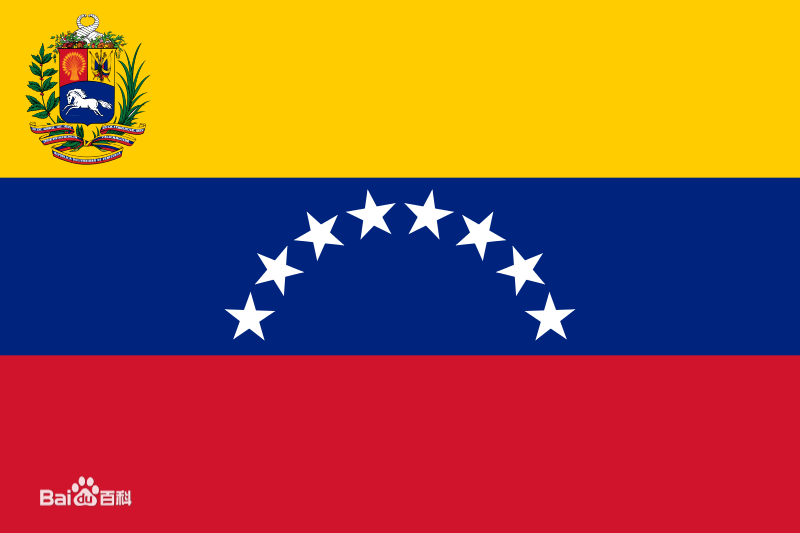
A brief introduction to the Flavor of Fine Coffee beans in the South American country of Venezuela the Bolivarian Republic of Venezuela
The distinctive manor coffee comes from this oil-rich country. Oil was once considered to be the main export of Venezuela. Although coffee trees were introduced from Martinique in 1730 and Venezuela, coffee production was almost abandoned at the height of the oil industry. Recently, coffee plantations have begun to recover, with the original planting of Tipica and

Panama's ever-victorious Coffee Manor, Bocket Manor of good quality
Panamanian coffee originated in 1780, when European immigrants introduced the first Tipica tree species. Located in Central America, with the natural advantages of sunshine, land and mountains, coupled with a sufficient working population, the region is an excellent area for growing and producing high-quality boutique coffee, and it is a paradise for coffee. In particular, the Geisha coffee from Panama has led to the global customs.

Boutique coffee Panamanian coffee flavor white grape, caramel, honey, black tea
Panamanian coffee originated in 1780, when European immigrants introduced the first Tipica tree species. Located in Central America, with the natural advantages of sunshine, land and mountains, coupled with a sufficient working population, the region is an excellent area for growing and producing high-quality boutique coffee, and it is a paradise for coffee. In particular, the Geisha coffee from Panama has led to the global customs.

Panamanian SHB boutique Manor Coffee Bogut Manor Cupid
Panamanian coffee originated in 1780, when European immigrants introduced the first Tipica tree species. Located in Central America, with the natural advantages of sunshine, land and mountains, coupled with a sufficient working population, the region is an excellent area for growing and producing high-quality boutique coffee, and it is a paradise for coffee. In particular, the Geisha coffee from Panama has led to the global customs.

Bogota Coffee Tour learn more about Colombian Coffee
The area of Colombia is 3 times the size of Japan's capital: Bogota language: Spanish average GDP:48 ten thousand yen per person (Japan is 4.2 million yen) Bogota, the capital of Colombia, is 2600m above sea level. As an equatorial country, coffee is produced in mountains at higher elevations. You can feel the waves more when climbing stairs in Bogota at 2600m above sea level.

Colombian coffee bean processing process, Colombian coffee bean growing environment
Following Cafe Review (official Wechat account vdailycom) found that Fairview Cafe opened a small shop of its own Columbia Coffee Bean processing: washing our Colombian Coffee Raw beans came from a coffee farm in the small village of Boyaca County, less than an hour's drive from Bogota. There are more than 100 small and medium-sized peasant families in this village. Several farmhouses on a mountain are scattered in the past.
Boutique Coffee American Coffee Panamanian Boquette boquete Rosa content 30% Cupid SHB
Panamanian coffee originated in 1780, when European immigrants introduced the first Tipica tree species. Located in Central America, with the natural advantages of sunshine, land and mountains, coupled with a sufficient working population, the region is an excellent area for growing and producing high-quality boutique coffee, and it is a paradise for coffee. In particular, the Geisha coffee from Panama has led to the global customs.
Visit to Colombia Coffee Farm
Basic data of Colombia Three times the size of Japan Capital Bogota Language Spanish GDP per capita 480,000 yen
Boquete is the oldest and most famous coffee producing area in Panama.
Panamanian coffee originated in 1780, when European immigrants introduced the first Tipica tree species. Located in Central America, with the natural advantages of sunshine, land and mountains, coupled with a sufficient working population, the region is an excellent area for growing and producing high-quality boutique coffee, and it is a paradise for coffee. In particular, the Geisha coffee from Panama has led to the global customs.

Introduction to Kuma Mill of Cesar Cubs processing Farm in Magdalena District of Madalina, Colombia
For the exchange of professional baristas, please follow the Coffee Workshop (Wechat official account cafe_style) Columbia Cesar Majagua Tipica Washed. To the west of Colombia is the Andes, divided into three parts: the western, central and eastern mountains. The Cauca and Magdalena rivers flow along the Caribbean to the lowland plains. Colombia is currently the second largest coffee maker in the world.
Annual High altitude Rose Summer Coffee in the Baru Volcano region of Panama
Panamanian coffee originated in 1780, when European immigrants introduced the first Tipica tree species. Located in Central America, with the natural advantages of sunshine, land and mountains, coupled with a sufficient working population, the region is an excellent area for growing and producing high-quality boutique coffee, and it is a paradise for coffee. In particular, the Geisha coffee from Panama has led to the global customs.

Venezuelan coffee beans introduce San Cristobal
The distinctive manor coffee comes from this oil-rich country. Oil was once considered to be the main export of Venezuela. Although coffee trees were introduced from Martinique in 1730 and Venezuela, coffee production was almost abandoned at the height of the oil industry. Recently, coffee plantations have begun to recover, with the original planting of Tipica and

Introduction of high-quality coffee beans in Venezuela
The distinctive manor coffee comes from this oil-rich country. Oil was once considered to be the main export of Venezuela. Although coffee trees were introduced from Martinique in 1730 and Venezuela, coffee production was almost abandoned at the height of the oil industry. Recently, coffee plantations have begun to recover, with the original planting of Tipica and

Coffee Network recommends Panamanian Poket boquete Rosa Coffee with 30% Cupid SHB Fine Coffee
From the victorious producing areas of the B.O.P contest! Panamanian coffee originated in 1780, when European immigrants introduced the first Tipica tree species. Located in Central America, with the natural advantages of sunshine, land and mountains, coupled with a sufficient working population, the region is an excellent area for growing and producing high-quality boutique coffee, and it is a paradise for coffee. Especially G from Panama.
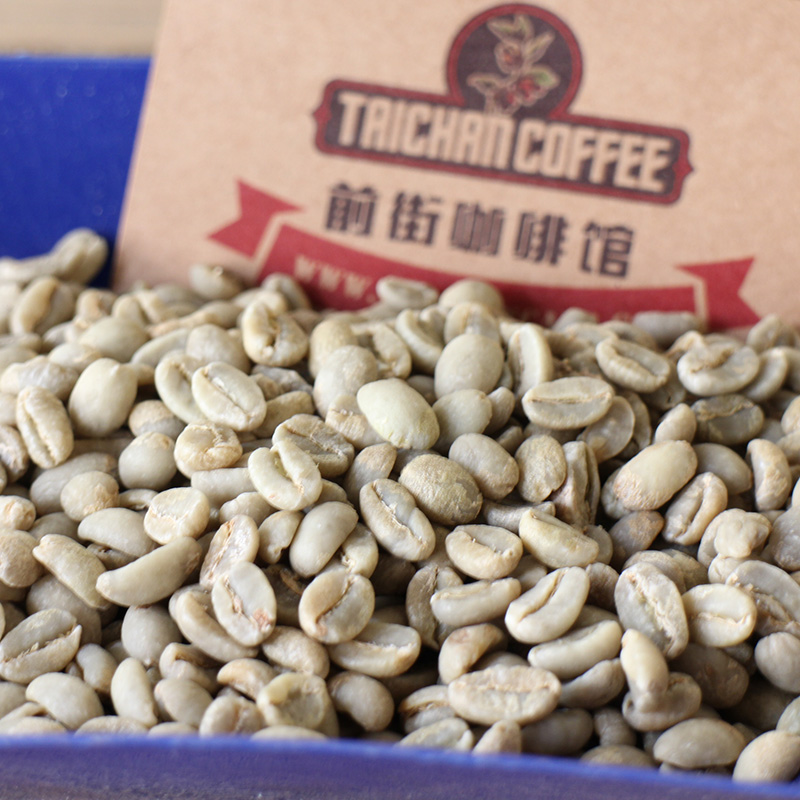
Panama Baru volcano love god Cupid year high altitude raw bean rose summer content 30% Kadu Ekadura
Panamanian coffee originated in 1780, when European immigrants introduced the first Tipica tree species. Located in Central America, with the natural advantages of sunshine, land and mountains, coupled with a sufficient working population, the region is an excellent area for growing and producing high-quality boutique coffee, and it is a paradise for coffee. In particular, the Geisha coffee from Panama has led to the global customs.