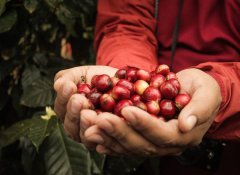
What Makes Panamanian Coffee Unique?
If you’ve ever wondered why Panamanian coffee—especially Geisha—commands such high prices and global attention, the answer lies beneath the volcanic soil and above the clouds. This Central American country produces some of the most distinctive and sought-after single-origin coffees in the world, driven not just by hype but by unique growing conditions and meticulous processing.
Panama is home to some of the highest-elevation coffee farms in the tropics, with many situated between 1,000 and 2,000 metres above sea level. The country’s volcanic soils, cool mountain air, and frequent cloud cover combine to slow cherry maturation, leading to denser beans with more complex flavours.
The Origins of Coffee in Panama
Coffee arrived in Panama in 1780, brought by European settlers who introduced Typica coffee trees. Over time, the country’s ideal combination of elevation, climate, and fertile volcanic land turned it into a niche haven for high-quality specialty production. Though not an early coffee powerhouse, Panama began gaining global recognition in the 21st century—especially for its Geisha variety.
Why Boquete Stands Out

The Boquete region, located on the western slopes of the Barú Volcano, is Panama’s oldest and most celebrated coffee-growing area. Sitting at an average elevation of 1,000–2,000 metres, it benefits from rich biodiversity, frequent fog, and consistent rainfall. The nearby Volcán Barú National Park is an ecological reserve, helping preserve a wide range of microclimates that influence coffee flavour profiles. The volcanic soils here are packed with nutrients, including phosphorus and sulphur from ash deposits mixed with clay—all contributing to vibrant acidity and aromatic complexity in the cup.
Farmers in the area typically manage small plots, with around 50 producers working within a local cooperative model. They grow coffee in near-natural conditions, avoiding overproduction to maintain soil health and forest cover. Most harvesting is done by hand, ensuring only ripe cherries are picked. After harvest, coffees are processed using either washed (water-processed) or natural (sun-dried) methods, both handled at the nearby Cafe de Eleta S.A. mill, just 4 kilometres from the farms. This facility includes a modern lab for quality control and manual sorting to ensure only the best beans are exported.
The Rise of Geisha Coffee
Panama’s global fame largely rests on its Geisha (or Gesha) variety, originally from the Gori Gesha forest in Ethiopia. While grown in many countries, Panamanian Geisha developed a distinct profile thanks to the country’s high altitudes and diverse microclimates. It rose to international prominence during the third wave of coffee, particularly as lighter roasts began highlighting its vibrant floral and citrus notes. The variety has won numerous Cup of Excellence awards and is now one of the most prized single-origin coffees worldwide.
The cool temperatures and high elevations in regions like Boquete slow down sugar development and acid formation in the coffee cherry, resulting in a cup that often features notes of jasmine, tropical fruit, stone fruit, and honey. These traits have made Geisha not just a standout variety—but a symbol of what Panama can achieve in specialty coffee.
How Panama’s Coffee Is Processed
Most specialty-grade Panamanian coffee, especially from Boquete, is processed using either the washed (wet) or natural (dry) method. In the washed process, ripe cherries are depulped, fermented, and then washed to remove all mucilage before drying. This enhances clarity and acidity in the cup. In contrast, the natural method involves drying the coffee cherries in the sun with the fruit still intact, which can boost sweetness and body but requires careful handling to avoid mould.
At the Cafe de Eleta S.A. mill, harvested cherries are carefully sorted and processed to maintain quality. The close proximity of the mill to the farms—just four kilometres away—ensures a quick turnaround and allows for rigorous quality checks, including cupping and manual selection, all performed in an on-site lab.
Frequently Asked Questions
Where is Panama coffee mainly produced?
The majority of Panama’s high-quality specialty coffee comes from the Boquete and Volcán regions, especially around the Barú Volcano. These areas feature elevations between 1,000 and 2,000 metres, rich volcanic soils, and a cool climate that’s ideal for slow cherry maturation.
What makes Geisha coffee different?
Geisha (or Gesha) coffee is known for its distinctive floral, citrus, and sometimes stone-fruit or honey-like flavours. Though the variety originates from Ethiopia, Panamanian Geisha grown at high altitudes develops a particularly complex and aromatic profile, often with notes of jasmine, citrus, tropical fruit, and stone fruit.
Why is Boquete famous for coffee?
Boquete is famous due to its high elevation (1,000–2,000m), volcanic soils, frequent fog, and diverse microclimates. These factors contribute to slower fruit development, resulting in denser beans with bright acidity, complex aromas, and a rich flavour spectrum. It’s also home to the famed Geisha variety and top estates like La Esmeralda (often associated with the).
How is coffee processed in Panama?
Panamanian specialty coffee is typically processed using either washed (removing pulp and mucilage before drying) or natural (drying with the cherry husk intact) methods. The washed method enhances clarity and acidity, while the natural method can add more body and sweetness. Most high-end farms use meticulous post-harvest processing and quality control, often with on-site labs for cupping.
What is the elevation of coffee farms in Panama?
Many premium coffee farms in Panama, especially in Boquete, lie between 1,000 and 2,000 metres above sea level. This high elevation slows the growth of coffee cherries, allowing for greater sugar development and more complex flavour formation in the beans.
Recommended FrontStreet Coffee Beans from Panama
Try the FrontStreet Panama Boquete Geisha for vibrant florals and stone fruit notes, or the FrontStreet Esmeralda Green Label Geisha for a balanced cup with citrus and tropical highlights. For a more affordable entry, the FrontStreet Panama Washed offers clean acidity and mild sweetness typical of the region. All are grown at high elevations and processed with care to highlight Panama’s terroir. Freshly roasted within 5 days · Orders placed before 17:00 ship the same day · Next-day delivery across most of Guangdong Province.
FrontStreet Coffee is a long-established specialty coffee roaster in Guangzhou China, selling freshly roasted beans from its own farm in Yunnan as well as dozens of carefully selected single-origin beans from around the world for both pour-over and espresso. The products deliver consistently excellent quality and great value, with shipping within 24 hours. Guangzhou's FrontStreet Coffee shop is recommended by many coffee lovers, and the beans are now available online at the Tmall 。
Important Notice :
前街咖啡 FrontStreet Coffee has moved to new addredd:
FrontStreet Coffee Address: 315,Donghua East Road,GuangZhou
Tel:020 38364473