
"Treated"
11030 article(s) found
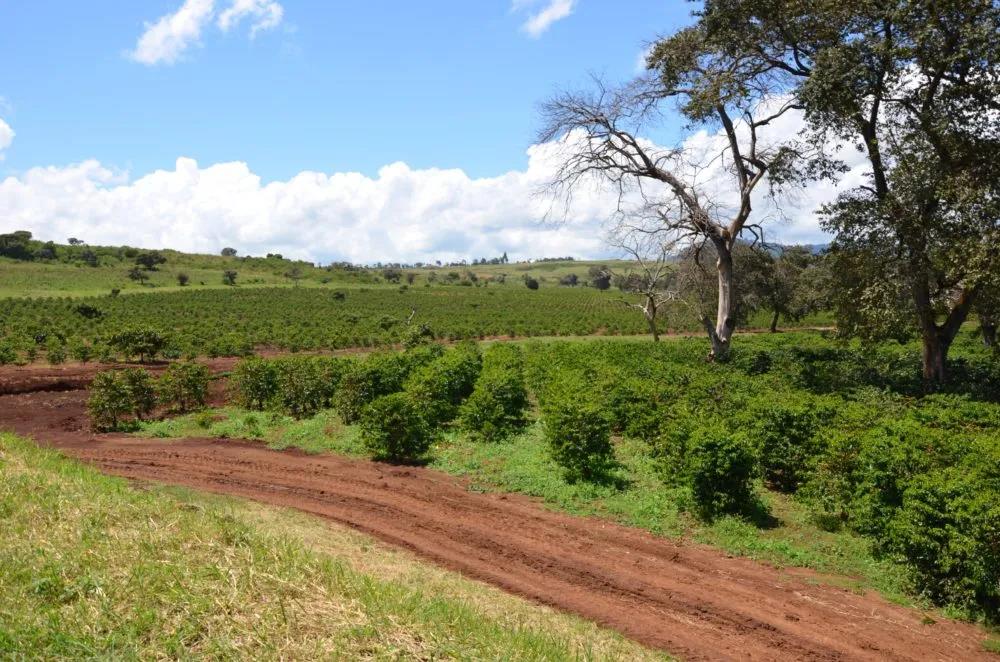
Do you have sun-treated coffee beans in Kenya? Performance of cooking flavor of Kenyan coffee beans treated by sun
Professional coffee knowledge exchange more coffee bean information please follow the coffee workshop (Wechat official account cafe_style) what! There are sun-treated coffee beans in Kenya? This is the first reaction of many people after the coffee bean was moved out of Qianjie. In Kenya, we often see that 72 small fermented water is used to treat raw coffee beans, which also gives us a kind of Kenyan coffee beans with only washing places.

Description of flavor and flavor of coffee treated with rare "washing" Mantenin in Lindong, Sumatra
Professional barista communication please follow the coffee workshop (Wechat official account cafe_style) ■ country: Indonesia ■ producing area: Lindong Sumatra Lintong Nihuta ■ varieties: Ateng ■ treatment: washing ■ harvest time: 2017 cup test report: it is generally believed that as long as the coffee produced from Sumatra is generally known as Mantenin, there will be such a statement

Coffee and soybean honey treatment | Coffee black honey red honey yellow honey treatment distinguishing characteristics of sun water and honey washing
For water-washed, sun-treated coffee beans, Qianjie has also popularized a lot of their characteristic differences, friends who do not understand can turn to here [portal]! As for honey-treated coffee beans, there have always been friends who wonder what it is like and what its flavor is. Today, Qianjie will come to tell you how to treat honey.

Flavor characteristics of Cabana Manor Coffee Bean Cabana Honey treated Coffee
Cabana Manor, located in the Tarazu producing area of Costa Rica, covers an area of about 10 hectares. it is currently operated by the third generation Javier Meza Morales of the manor. in the progressive manor, they began to deal with raw beans themselves and purchased Beneficio in 2008-2009. at the same time, they also put into fine processing of raw beans, Cabana manor honey treatment batches, harvest the most mature coffee cherries of the day.

Introduction of honey-treated coffee beans sun-washed and ground scale varieties taste manor production area
Honey treated coffee beans sun washing grinding scale varieties taste manor production area to understand this kind of coffee knowledge is not only the choice of consumers, but also the professional needs of baristas and bakers. While baristas pass on these messages to their customers, they also pave the way for their repeat customers. Suppose a barista enthusiastically explains the Ethiopian coffee you drink today.

Flavor description of Burundian Rocasta Coffee Bean introduction to the characteristics of varieties treated in the manor area
Description of the flavor of Burundi coffee beans in Burundi the characteristics of varieties treated in the manor area introduce the coffee producing areas in Burundi: Burundian (Burundian) coffee is now grown only on small farms. Almost all coffee produced in Burundi is Arabian coffee beans, while coffee trees in Ngozi are planted at an altitude of more than 1200 meters. Features of Burundian Coffee: Burundi (Burundi)

Flavor description of coffee beans treated with El Salvador black honey introduction of varieties in taste producing areas
Flavor description of Salvadoran black honey treated coffee beans variety introduction: balanced taste, good texture suggested baking method: medium to deep, there are many uses of quality beans: El SHB taste characteristics: sour, bitter, sweet mild and moderate. Salvadoran coffee, along with Mexico and Guatemala, is a producer of Asa and Merdo, and is working with

The coffee beans treated by the sun are rich in flavor. The coffee beans treated with water are cleaner and sour.
You may have heard a saying: Japanese beans taste richer than tasty beans, and water-washed beans are more sour than dry ones. Is that really the case? The taste of coffee beans can be seen from the way coffee beans are handled. Imagine the smell of coffee from the processing process today. First of all, make one thing clear: processing process = fermented coffee beans.
What is honey treatment? Costa Rican honey treated boutique coffee beans
Honey treatment is a kind of treatment between sun treatment and water washing. It keeps the coffee clean by washing, and because it is dried in the sun together with the pulp mucosa, it greatly increases the sweetness and caramel flavor of the coffee (the sugar content of the pulp mucosa is extremely high). Honey treatment first appeared in Costa Rica in Central America, mainly because of some high elevations in Central America.

Flavor description and taste characteristics of coffee beans treated with fragrant Costa Rican Tarazu red honey
The flavor of coffee beans treated with Costa Rican Tara beads red honey describes the taste characteristics of coffee beans. Tara beads have the best soil and high yield in Costa Rica. Tarazhu coffee has a refreshing blueberry aroma and sweet juice, while Boaz volcano coffee is sweeter and has some smoky aromas than Tarazu fruit. Three River Valley Coffee (
Honey-treated boutique coffee beans different coffee flavors in Costa Rica
Honey treatment is a kind of treatment between sun treatment and water washing. It keeps the coffee clean by washing, and because it is dried in the sun together with the pulp mucosa, it greatly increases the sweetness and caramel flavor of the coffee (the sugar content of the pulp mucosa is extremely high). Honey treatment first appeared in Costa Rica in Central America, mainly because of some high elevations in Central America.

Introduction of Tangmeo Manor in Costa Rica description of coffee flavor treated by Tang Meo honey
Professional baristas follow the Coffee Workshop (Wechat official account cafe_style) is determined to become a leader in Costa Rican coffee, Don Mayo processing plant, although 15 years old, but it is actually a young processing plant-the family cooperative was founded in 1994, but did not set up its own processing plant until 2005. The processing plant is located in the north of Tarazhu-San Marcos town.

La Lajas Manor's unique honey-treated coffee beans classified as black pearl and black soul coffee beans
Communication of professional baristas Please pay attention to the coffee workshop (official Wechat account cafe_style) in the coffee processed by the Laslajas manor, the landowner divides the honey-treated and sunburned coffee into a variety of different items according to the flavor. In terms of honey treatment, Costa Rican farmers mostly control the amount of residual flesh through peeling machines at washing stations, but Las Raha

Are Costa Rican coffee beans treated with black honey? What is the difference between yellow honey, red honey and black honey?
Professional coffee knowledge exchange more coffee bean information please pay attention to the coffee workshop (Wechat official account cafe_style) honey treatment method originated in Costa Rica, so I believe that most people like me to drink the first honey treatment is Costa Rica, but now honey treatment is a relatively less minority treatment, all major producing areas have honey-treated coffee

Comparison of flavor of Costa Rican coffee beans treated with Costa Rican honey
The coffee beans produced at the high latitudes of Costa Rica are famous in the world, full-bodied, mild in taste, but extremely sour. The coffee beans here have been carefully processed, which is why they have high quality coffee. Located in the south of SanJos, the capital of Tarasu, Costa Rica is one of the most valued coffee growers in the country. The history of coffee cultivation in this area

Description of flavor and flavor of coffee treated with black honey in La La Haas Manor, Costa Rica
Professional barista exchanges please follow the coffee workshop (Wechat official account cafe_style) Costa Rica La La Haas Manor Black Honey treated Coffee Flavor taste description La La Haas Manor, located in the central valley producing area at the foot of the Pos de Alajuela volcano, is one of the earliest manors to carry out systematic research and treatment, currently by the third generation of manor owner Francesca (

Coffee producing area of Cochelle, Ethiopia introduces the flavor characteristics of coffee beans treated by red jadeite CM in the sun.
Professional coffee knowledge exchange more information about coffee beans Please follow the coffee workshop (Wechat official account cafe_style) CM, which stands for CarbonicMaceration (carbon dioxide impregnation), is a processing method for red wine production. Before the grapes are crushed, the whole grape is crushed.

Nicaragua | Secret Manor Natural decaffeinated Bourbon Laurina species | Honey treated Lot 180
Professional coffee knowledge exchange more coffee bean information please follow the coffee workshop (Wechat official account cafe_style) Nicaragua | Secret Manor Natural decaffeinated pointed bourbon Laurina species | Honey-treated Lot 1802 flavor? Pointed bourbon original Laurina or Bourbon Pointu, her caffeine content is only about 0.6%, normal Arabica