
"Wollega"
278 article(s) found

A brief introduction to the History and Culture of the Origin and Development of Fine Coffee beans in Shaqisuo producing area with rich thickness
Wollega (Nekempte) coffee comes from the west of Ethiopia, with medium to large beans and is famous for its fruity flavor. The color is green and brown (greenish,brownish color), and the acidity and alcohol thickness are good. Can be made to match, can also be individual products. Limu Coffee coffee is famous for its aroma and wine flavor (spicy and Winnie flavor).

A brief introduction to the Market Price of Ethiopian Fine Sidamo Coffee varieties
The highest grades of Ethiopian washed coffee Yega Chuefei G1 G2 Sidamo (Yirgacheffe, Sidamo) are Grade 2 and Grade 3 (G2, G3), while most of the sun-processed coffee in eastern Ethiopia are Grade 4 or Grade 5 (G4, G5). In many cases, level 4 coffee is marked as level 5 in order to reduce taxes. At present, the grading is not uniform and messy, because there is also sun processing.
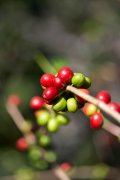
The Prairie Elf of Ethiopia-Yirgacheffee
The Ethiopian prairie elf, Yirgacheffee, is located in Ethiopia in East Africa, which means the land inhabited by people tanned by the sun in ancient Greek. Ethiopia's unique cultural tradition, spectacular scenery, pleasant climate, rich animal and plant resources, important places of interest, hospitality and friendly people make it the main tourist destination in Africa.

Introduction of coffee beans in Ethiopia
In the field of boutique coffee, there are also five other small places of coffee, namely Lim, Gemma, Le Campdi, Becca and Limmu, Djimmah, Lekempti, Bebeka and Wolega. The most common is Essesidamo or Harald coffee (Either Sidamo or Harrar coffee). Harald Coffee (HarrarCoffee) is made in Essex.

Ethiopian coffee varieties introduction Coffee growing area Manor Eastern Highlands Mountains
Harar Coffee is produced in the eastern highlands of Ethiopia. It is medium bean-shaped and large

Jinbi Coffee Manor boutique Coffee
Boutique coffee is good coffee and is harmless to health. Different from coffee made with low-quality coffee beans, high-quality coffee uses high-quality coffee beans and freshly made coffee, which is harmless to health, and drinking in moderation is beneficial to the body and mind. Boutique coffee has a rich and beautiful taste. Even if the coffee made from fine coffee beans is not all fine coffee, it depends on whether it is brought into full play.

Ethiopia Coffee bulk Commercial Bean producing area: Jinbi / Lekemp 05
Altitude: 1500-2100 m forest / semi-forest coffee system harvest time: February-April around the two cities of Ghimbi and Lekempti producing area names often appear jointly. Coffee roasters can use either or both. Lekempti is the capital of the region, but coffee beans with that name may come from the city of Ghimb, 100km away. Grew up in Siegopi.

Ghimbi West Ethiopian Coffee grows Commercial Coffee beans and Comprehensive mixed Coffee beans
Boutique coffee (specialty coffee) is also called specialty coffee selection coffee. It refers to coffee made from a small number of raw beans with excellent taste grown in an ideal geographical environment. Depending on the special soil and climatic conditions in which they grow, they have outstanding flavor. After strict selection and classification, this kind of coffee is hard in texture, rich in taste and stylish.
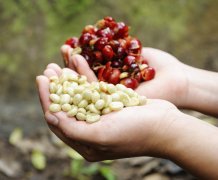
Where is the best coffee in the world?
Fine coffee beans are refined by water treatment. Washing refining method can get coffee beans with less impurities, but if the water quality and time of washing beans are not properly controlled during fermentation, it will easily cause coffee beans to be infected with excessive fermentation sour, and dry processing beans also need to pay attention to timely inspection and prevent coffee beans from being contaminated by wet ground and impurities. the processed

Is the coffee in the minority producing areas of Ethiopia good?
Professional coffee knowledge exchange more coffee bean information please follow the coffee workshop (Wechat official account cafe_style) Ethiopian DJIMMAH Coffee Djimmah Coffee grows in the Illubabor and Kaffa areas at 4400 to 6000 feet above sea level and is an excellent low-acid Ethiopian coffee when it is wet-processed (washed). When Djimah is naturally dried; however,
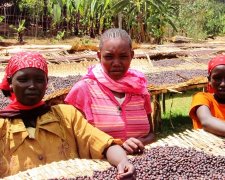
Fine coffee made from coffee beans at a high altitude in Western Ethiopia.
The term "fine coffee" was first put forward by Ms. Knudsen of the United States in Coffee and Tea magazine. At that time, Ms. Knudsen, as a coffee buyer at B.C. Ireland in San Francisco, was very dissatisfied with the neglect of the quality of raw coffee in the industry, and even some big roasters mixed a large amount of Robesda beans in the comprehensive beans, so she put forward the concept of boutique coffee.

Flavor description of Ethiopian Honey Coffee beans introduction to Grinding scale Variety Manor
The Flavor description of Ethiopian Honey Kiss Coffee beans Grinding scale Variety Manor introduces that Ethiopia grows coffee in different climatic zones, so it has more than 140 farm varieties, and fresh coffee is produced all the year round. The quality of Ethiopian coffee varies according to different elevations and regional ecological environment. Harar coffee in the southeast highlands is a typical Muhaka.
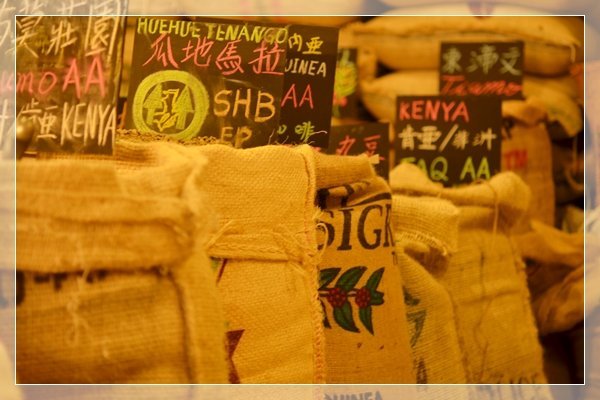
Ethiopia-Ghimbi, Sidamo, Harar and Yegashefi
Ethiopia's coffee-producing areas are divided into east and west parts by the Great Rift Valley. Lakes, volcanoes, lowlands, plateaus and woodlands alternate and evolve independently. Ethiopia has the most diverse coffee ecosystem in the world (forest coffee, semi-forest coffee, pastoral coffee and plantation coffee), which also allows it to preserve its rich Arabica genes. The eastern half is mostly plateau, coffee beans

Introduction of Ethiopian Yejasuefei Coffee area with balanced Flavor
The coffee producing areas of Ethiopia are Hidamo, Harald and Sidamo, Harrar and Yirgacheffe. Sidamo and Harrar are provinces and divisions. Sidamo is located in the south of Ethiopia bordering Kenya, and Harrar borders Somalia in the east of Ethiopia. Although Yirgacheffe is a community in the Sidamo region, due to soil composition and water content and other reasons.

The Origin of Coffee in the World an introduction to the coffee bean producing areas in Ethiopia
Ethiopia is the hometown of Arabica coffee, and it is in the forests of Kaffa that you can see wild Arabica coffee. In Ethiopian, coffee is called Bun or Buna, and coffee beans (coffeebean) may be translated from Kaffa Bun. Arabica coffee was discovered early in the Harar area and is likely to come.

The grade of Ethiopian coffee
Grade of Ethiopian coffee: Ethiopian washed coffee Yega Chuefei G1 G2 Sidamo (Yirgacheffe, Sidamo) has the highest grades 2 and 3 (G2, G3), while sun-processed coffee in eastern Ethiopia is mostly grade 4 or 5 (G4, G5). In many cases, level 4 coffee is marked as level 5 in order to reduce taxes. At present, the classification is not uniform and there are
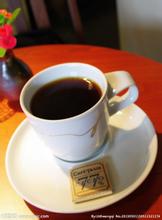
Introduction to the flavor and taste of Ethiopian Arabica coffee
In the field of boutique coffee, there are also five other small places of coffee, namely Lim, Gemma, Le Campdi, Becca and Limmu, Djimmah, Lekempti, Bebeka and Wolega. The most common is Essesidamo or Harald coffee (Either Sidamo or Harrar coffee). Harald Coffee (HarrarCoffee) is made in Essex.

Flavor description of Ethiopian Coffee beans introduction to Grinding scale of varieties in producing areas
Grade of Ethiopian coffee: Ethiopian washed coffee Yega Chuefei G1 G2 Sidamo (Yirgacheffe, Sidamo) has the highest grades 2 and 3 (G2, G3), while sun-processed coffee in eastern Ethiopia is mostly grade 4 or 5 (G4, G5). In many cases, level 4 coffee is marked as level 5 in order to reduce taxes. At present, the classification is not uniform and there are
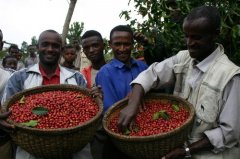
Jasmine tea, which is preferred by Ghimbi growers as a composite bean material, is fragrant and bitter
Ethiopia's coffee-producing areas are divided into east and west parts by the Great Rift Valley. Lakes, volcanoes, lowlands, plateaus and woodlands alternate and evolve independently. Ethiopia has the most diverse coffee ecosystem in the world (forest coffee, semi-forest coffee, pastoral coffee and plantation coffee), which also allows it to preserve its rich Arabica genes. The eastern half is mostly plateau, coffee beans

Flavor description of Manor Coffee from Sidamo, Ethiopia
Flavor description of manor coffee from Sidamo, Ethiopia Sidamo is a famous boutique coffee producing area in Ethiopia, and the well-known Yegashifi coffee beans are produced in the town of Yegashefi. This batch of coffee from Sidamo Deri Kochowa, in addition to having the same clean citrus aroma as Yega Chuefei, it also has frank floral and floral aromas.