
"cellulose"
397 article(s) found

High-quality coffee the main uses of coffee grounds
Coffee grounds are the dregs left over from the extraction of coffee, isn't it? In fact, every 100 grams of coffee beans are rich in 12.6 grams of protein, 9 grams of cellulose, 4.2 grams of ash, 120 milligrams of calcium, 170 milligrams of phosphorus, 42 milligrams of iron, 3 milligrams of sodium, 0.12 grams of vitamin B2, 3.5 milligrams of niacin, 1.3 grams of caffeine and 8 grams of tannins. It can be said that the coffee grounds after extraction are nutritious and comprehensive.
Be an expert in coffee
Coffee contains fat, water, caffeine, cellulose, sugar, aromatic oil and other ingredients. Each kind of coffee has its different characteristics, such as sour, sweet, bitter, mellow, fragrant and so on. Its famous varieties are: Brazil Santos: neutral beans, its good flavor is known as the firmness of coffee. This kind of beans must be roasted just right to make them slightly.

Coffee bean roasting technology household roaster
Coffee roasting (coffee roasting) means that through heating raw beans, starch in raw beans is converted into sugars and acids at high temperature, substances such as cellulose will be carbonized to varying degrees, water and carbon dioxide will be volatilized, proteins will be converted into enzymes and fats, and the remaining substances will be combined to form an oil film on the surface of coffee beans, and in the process coffee acids will be formed.
English Corner | Why do we bake coffee and raw beans?
Love coffee, is an elegant way of life, love coffee, let's get together! Coffee beans are the seeds of the cherries of the coffee tree. Each cherrytypically contains two beans whose flat sides face each other. When steepedin hot water, raw, or green, coff
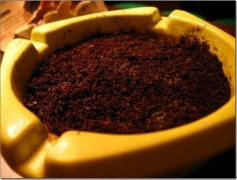
A detailed explanation of the use of Coffee grounds
Coffee grounds are the dregs left over from the extraction of coffee, isn't it? In fact, every 100 grams of coffee beans are rich in 12.6 grams of protein, 9 grams of cellulose, 4.2 grams of ash, 120 milligrams of calcium, 170 milligrams of phosphorus, 42 milligrams of iron, 3 milligrams of sodium, 0.12 grams of vitamin B2, 3.5 milligrams of niacin, 1.3 grams of caffeine and 8 grams of tannins. It can be said that the coffee grounds after extraction are nutritious and comprehensive.
The process of making coffee beans how to make coffee beans
Roasting coffee beans is a process in which raw beans are roasted using specific equipment to convert starch into sugars and acids at high temperature. in this process, substances such as cellulose will be carbonized to varying degrees, water and carbon dioxide will evaporate, and the protein will be converted into enzymes, which combine with the rest of the fat to form an oil film on the surface of the coffee, and the coffee bean itself.
The whole process of coffee roasting technology
Coffee roasting (coffee roasting) means that through heating raw beans, starch in raw beans is converted into sugars and acids at high temperature, substances such as cellulose will be carbonized to varying degrees, water and carbon dioxide will be volatilized, proteins will be converted into enzymes and fats, and the remaining substances will be combined to form an oil film on the surface of coffee beans, and in the process coffee acids will be formed.

Honey treatment of coffee beans sun washing
The Honey treatment of Coffee beans the sun-washed coffee beans are dried and treated before baking parchment (Parchment): inside the mucous membrane, a film of cellulose surrounds the coffee beans. After drying, the film looks like parchment, hence the name Mucilage: under the skin and pulp, a layer of sticky mucus tightens the coffee beans.

Roasting skills of coffee beans at home
Coffee roasting (coffee roasting) means that through heating raw beans, starch in raw beans is converted into sugars and acids at high temperature, substances such as cellulose will be carbonized to varying degrees, water and carbon dioxide will be volatilized, proteins will be converted into enzymes and fats, and the remaining substances will be combined to form an oil film on the surface of coffee beans, and in the process coffee acids will be formed.

The main use of coffee grounds can be deodorization, deodorization and cosmetology.
Coffee grounds are the dregs left over from the extraction of coffee, isn't it? In fact, every 100 grams of coffee beans are rich in 12.6 grams of protein, 9 grams of cellulose, 4.2 grams of ash, 120 milligrams of calcium, 170 milligrams of phosphorus, 42 milligrams of iron, 3 milligrams of sodium, 0.12 grams of vitamin B2, 3.5 milligrams of niacin, 1.3 grams of caffeine and 8 grams of tannins. It can be said that the coffee grounds after extraction are nutritious and comprehensive.

The basic knowledge of coffee connoisseurs drinking coffee
Coffee contains fat, water, caffeine, cellulose, sugar, aromatic oil and other ingredients. Each kind of coffee has its different characteristics, such as sour, sweet, bitter, mellow, fragrant and so on. Its famous varieties are: Brazil Santos: neutral beans, its good flavor is known as the firmness of coffee. This kind of beans must be roasted just right to make them slightly.

80 percent of coffee flavor is determined by roasting.
Baking, as the name suggests, is to provide heat to coffee beans, by heating the internal structure of coffee beans to produce thermal decomposition of chemical changes, more specifically, that is, heating the starch in the raw beans due to high temperature into sugar 5 or acidic substances, cellulose and other substances will be different degrees of carbon carbonization, moisture and carbon dioxide will volatilize, protein will be converted into enzymes, and fat residual substances will knot

Coffee bean roasting technology electric direct drum roaster
Coffee roasting (coffee roasting) means that through heating raw beans, starch in raw beans is converted into sugars and acids at high temperature, substances such as cellulose will be carbonized to varying degrees, water and carbon dioxide will be volatilized, proteins will be converted into enzymes and fats, and the remaining substances will be combined to form an oil film on the surface of coffee beans, and in the process coffee acids will be formed.
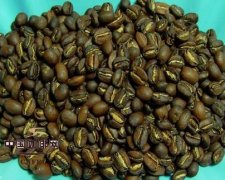
80% of the taste of coffee is determined by roasting.
Baking, as the name implies, is to provide heat to coffee beans, and to produce chemical changes in the internal structure of coffee beans by heating, that is, heating converts starch in raw beans into sugar 5 or acidic substances at high temperature. substances such as cellulose will be carbonized to varying degrees by carbon, water and carbon dioxide will be evaporated, proteins are converted into enzymes, and the rest of the fat will knot.
Coffee common sense 80% of coffee taste is determined by baking.
Baking, as the name implies, is to provide heat to coffee beans, and to produce chemical changes in the internal structure of coffee beans by heating, that is, heating converts starch in raw beans into sugar 5 or acidic substances at high temperature. substances such as cellulose will be carbonized to varying degrees by carbon, water and carbon dioxide will be evaporated, proteins are converted into enzymes, and the rest of the fat will knot.
80% of the taste of coffee is determined by the baking company.
Baking, as the name implies, is to provide heat to coffee beans, and to produce chemical changes in the internal structure of coffee beans by heating, that is, heating converts starch in raw beans into sugar 5 or acidic substances at high temperature. substances such as cellulose will be carbonized to varying degrees by carbon, water and carbon dioxide will be evaporated, proteins are converted into enzymes, and the rest of the fat will knot.

Coffee grounds and Coffee Green Plant Creative Coffee Recycling
A cup of coffee a day has become a habit of more and more young people. Can drinking leftover coffee grounds turn waste into treasure? A survey of college students from the Entrepreneurship Center of Shanghai University of Finance and Economics found that coffee grounds contain the cellulose needed for mushroom growth and can be used to cultivate fungi. They not only developed a culturable mushroom bag, but also gave it to low-income people for free, helping them generate an average income of 520 yuan per month.

There are several procedures for making coffee beans into coffee.
First of all, coffee beans are picked from coffee trees, and then they are roasted, then ground and finally brewed, and the achievement is a cup of coffee beans. Coffee beans are roasted using specific equipment, and the starch is converted into sugars and acids at high temperature. in this process, substances such as cellulose will be carbonized to varying degrees, and water and carbon dioxide will be volatilized.
Coffee Recycling Coffee grounds and Coffee Green Plant creativity
A cup of coffee a day has become a habit of more and more young people. Can drinking leftover coffee grounds turn waste into treasure? A survey of college students from the Entrepreneurship Center of Shanghai University of Finance and Economics found that coffee grounds contain the cellulose needed for mushroom growth and can be used to cultivate fungi. They not only developed a culturable mushroom bag, but also gave it to low-income people for free, helping them generate an average income of 520 yuan per month.

80% of the taste of roasted coffee is determined by the roasting company.
Baking, as the name implies, is to provide heat to coffee beans, and to produce chemical changes in the internal structure of coffee beans by heating, that is, heating converts starch in raw beans into sugar 5 or acidic substances at high temperature. substances such as cellulose will be carbonized to varying degrees by carbon, water and carbon dioxide will be evaporated, proteins are converted into enzymes, and the rest of the fat will knot.