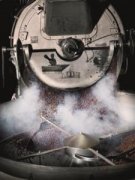
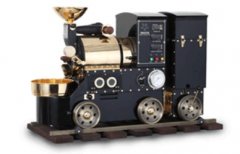
How to Roast Coffee Beans at Home with Basic Equipment
Want to roast your own coffee beans at home but unsure where to start? You're not alone—many coffee enthusiasts dive into home roasting to explore fresher flavors and tailor roast levels to their taste. But without professional equipment, it can feel overwhelming. The good news? You don’t need an expensive machine to begin.
To roast green coffee beans at home, you’ll need just 10 minutes with basic gear like a heat source (alcohol or gas burner), a hand-cranked drum, and about 30–50 grams of green beans. The entire roast—from first crack to finish—typically takes 10 to 12 minutes depending on your preferred roast level.
What Happens During Coffee Roasting?
Coffee roasting transforms raw green beans into the aromatic, flavorful beans we brew. Through controlled heating, starches convert to sugars, acids develop, and moisture escapes. Proteins break down, fats emerge, and carbonization creates the bean’s color and surface oils. These chemical changes produce acidity, bitterness, sweetness, and body—all defining your cup’s profile. Small shifts in time or temperature dramatically alter the final taste.
Why Temperature and Timing Control Matter
Roasting is a fast, dynamic process. Within minutes, beans pass through critical stages like drying, Maillard reaction, first crack, and optionally second crack. Each phase affects flavor development. Too hot or too long, and you risk baked or burnt notes. Too short, and underdeveloped acidity dominates. Precise adjustments during roasting let you balance sweetness, body, and roast character—especially when using simple tools where heat isn’t automatically regulated.
How to Roast Coffee at Home with a Hand-Cranked Drum Roaster
If you’re starting with basic gear—a hand-cranked, half-direct-flame drum roaster powered by an alcohol or gas burner—follow these steps for consistent results:
- Load the Beans: Add green coffee beans to the drum, filling it according to size, then seal it.
- Start Heating: Light the burner (alcohol or gas flame) and begin turning the crank steadily to rotate the drum. This ensures even heat distribution.
- Dry Phase (0–3 Minutes): The beans will lose surface moisture. No color change yet.
- Yellowing & First Smells (3–4 Minutes): Beans turn yellow and silver skins start to loosen. A grassy, bready aroma develops.
- Browning Phase (6–7 Minutes): Beans become light brown and visible chaff (silver skin) separates. Light smoke may appear.
- First Crack (8 Minutes): The hallmark “first crack” sound signals the start of light roast territory. Beans expand and release steam.
- Light to Medium Roast (10 Minutes): At around 10 minutes, first crack finishes. For a lighter cup, stop roasting here. For more body and roast flavor, continue.
- Second Crack (12 Minutes): If you roast longer, a “second crack” occurs around 12 minutes—indicating a medium-dark roast. Stop immediately when you reach your desired roast level.
- Cool Quickly: Once roasted (whether at first or second crack), pour the beans into a colander and cool them rapidly with a fan or by stirring. This stops the roast and locks in flavor.

Frequently Asked Questions
What’s the difference between first crack and second crack?
First crack occurs around 8 minutes into roasting and sounds like popcorn popping—it marks the bean structure expanding due to internal steam pressure. This is the usual end point for light roasts. Second crack, around 12 minutes, is softer and faster, like rice crispies, and signals deeper roast levels with more body and less acidity.
Do I need a fancy machine to roast coffee at home?
No. You can start with simple tools like a hand-cranked drum roaster heated by an alcohol or gas burner. While not automatic, these let you control roast time and observe key phases like first and second crack, giving you hands-on influence over the flavor outcome.
How long does home coffee roasting take?
From loading green beans to cooling, a full roast typically takes 10–12 minutes. The active roasting phase (after heating begins) is about 8–10 minutes, with first crack at roughly 8 minutes and second crack around 12 minutes.
What roast stage should I aim for as a beginner?
Most beginners start with a roast that ends right after first crack (around 10 minutes), producing a light to medium roast with bright acidity and distinct origin flavors. You can experiment by letting the roast continue to second crack for darker profiles.
How do I cool roasted beans quickly?
After roasting, pour the beans into a metal colander or tray and use a fan or stir them vigorously to cool them down as fast as possible. Quick cooling stops the roast process and locks in the flavors developed during roasting.
Recommended FrontStreet Coffee Beans for Home Roasting
Try FrontStreet Coffee’s Ethiopia Humbera for bright citrus and floral notes, ideal after a light roast. For chocolatey depth, their PWN Golden Mandheling offers sweet body with mild spice—great for medium roasts. Both beans respond well to home roasting control and highlight how roast level shapes flavor. Freshly roasted within 5 days · Orders placed before 17:00 ship the same day · Next-day delivery across most of Guangdong Province.
FrontStreet Coffee is a long-established specialty coffee roaster in Guangzhou China, selling freshly roasted beans from its own farm in Yunnan as well as dozens of carefully selected single-origin beans from around the world for both pour-over and espresso. The products deliver consistently excellent quality and great value, with shipping within 24 hours. Guangzhou's FrontStreet Coffee shop is recommended by many coffee lovers, and the beans are now available online at the Tmall 。
Important Notice :
前街咖啡 FrontStreet Coffee has moved to new addredd:
FrontStreet Coffee Address: 315,Donghua East Road,GuangZhou
Tel:020 38364473