
"climate"
29418 article(s) found

Introduction of Crystal Coffee in Cuban Coffee producing areas with humid Climate and abundant Rain Water
With fertile land, humid climate and abundant Rain Water, Cuba can be called a natural treasure land for coffee cultivation. The suitable natural conditions provide a favorable natural environment for the growth of coffee trees. Coffee is well cultivated and developed here, and the best coffee growing area in Cuba is located in the Central Mountains. Because in addition to growing coffee in this area, there are also precious minerals such as quartz and crystals.
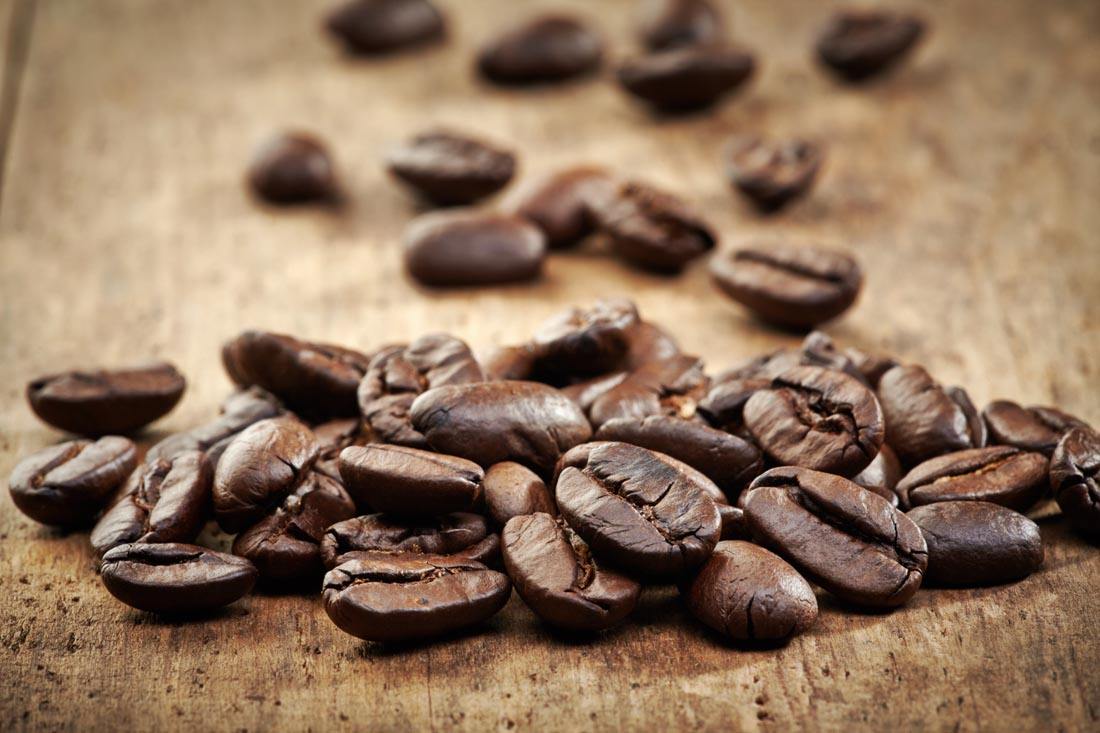
Introduction to Coffee Climatic cultivation in Ethiopia
Following Kaiping (official Wechat account vdailycom) has found that climate change may cause about half of Ethiopia's coffee-growing areas to become unsuitable for coffee cultivation by the end of the century. However, the study report is not all bad news, the researchers also proposed that through the transfer of coffee producing areas, afforestation and forest protection, the total area of coffee cultivation is expected to expand

Hawaiian Kona Coffee with an island climate introduces the Manoa Valley of Oahu.
Hawaii is a paradise for tasting and buying coffee. Each island has several unique places for tourists and local residents to taste and buy coffee, including comfortable and warm shops and comprehensive centers to introduce coffee knowledge. In Hawaii, you can watch the fiery sunset sink into the red-orange sea, feel the fresh air filled with the scent of flowers, and sit by the sea and have a drink

Description of taste and flavor in climatic producing area of Coffee in Crystal Mountain, Cuba
Following Ka Pai (Wechat official account vdailycom) found that Beautiful Cafe opened a small shop of its own. When it comes to Cuba, people's first impressions are likely to be cigars. In addition, it is a socialist country like the people's Republic of China, and the only socialist country in the Americas. Cuba is an archipelago country in the northern Caribbean Sea of North America and the largest island in the Caribbean Sea.

Introduction to Coca Cauca Lazmus Manor, Columbia Coffee with mild Climate
The main varieties of Colombian coffee are small grains of coffee. Plants are small trees or large shrubs, 5-8 m tall, usually much branched at base; old branches gray-white, nodes dilated, young branches glabrous, compressed. Leaves thinly leathery, ovate-lanceolate or lanceolate, 6-14 cm long and 3.5-5 cm wide, tip long acuminate, acuminate part 10-15 mm long, base cuneate or slightly obtuse, rarely rounded, entire or

Robusta coffee beans taste really bad? Where are Robusta coffee beans produced?
Professional coffee knowledge exchange More coffee bean information Please pay attention to coffee workshop (Weixin Official Accounts cafe_style) Qianjie-Robusta coffee bean introduction Vietnam is located in Southeast Asia, belongs to tropical and subtropical climate. The climate is divided into three regions: north subtropical humid climate, south-central tropical monsoon climate and south-central tropical steppe. Annual rainfall varies from 1200 mm to 3000 mm, December each year

The sun drying method of coffee beans what are the requirements for the weather and climate of coffee?
Coffee drying method: how should coffee beans be dried? what should coffee beans do to the sun? how should coffee beans be dried in order to make a good coffee bean? first of all, the sunken beans identified in the sink, that is, ripe or half-ripe beans are naturally dried in the bean drying farm. The specific time depends on the local climatic conditions, which usually takes two to four weeks. When the moisture content of coffee beans decreases

The cultivation of boutique coffee beans in Agua Durse, Guatemala, geographical location, climate sea.
Every 30 years or so, the area near Antigua is hit by a volcanic eruption, which provides more nitrogen to the already fertile land, and sufficient rainfall and sunlight make the place more suitable for growing coffee. Its coffee belt is distributed over 1500 meters, between 14 and 16 degrees north latitude, and it is easy to grow very hard beans, all of which are washed.

Kaddura Fine Coffee Bean cultivation in Red Honey Tobusch Manor, Costa Rica, Geographic location and Climate
Costa Rica is the country where coffee was first introduced into Central America. It has a long history and has a complete coffee organization from production to marketing system. Because it is located in the Central American Gorge, there are many volcanoes, it has the natural advantages of sunshine and land, and the climate is reconciled by Pacific and Atlantic currents and sea breeze at the same time, the coffee produced has the characteristics of local micro-climate, in terms of quality and quantity.

Columbia with a long aftertaste, the cultivation of exquisite boutique coffee beans, geographical location, climate and altitude
No matter in terms of yield or texture, Colombian coffee is first produced by Medellin, which is characterized by full granules, rich nutrition, moderate acidity, good balance, rich aroma and soft taste. In addition to Medellin, the provincial capitals of two neighboring provinces in the south, Armenia and Manizales, are also famous coffee producers.

Description of delicious Guatemalan Coffee Flavor Variety characteristics of Fine Coffee beans
Guatemala is located in the tropics, the northern and eastern coastal plains have a tropical rain forest climate, the southern mountains have a subtropical climate, the year is divided into two dry and wet seasons, with the wet season from May to October and the dry season from November to April of the following year. The narrow and fertile flatlands on the Pacific side of Guatemala have a tropical climate. The central plateau is also the cultural center of Guatemala, where the year-round temperature ranges from 1300 to 1800 meters.

The United Nations reports that climate change will lead to higher coffee prices
A recent United Nations report in Yokohama, Japan, says climate change will reduce coffee production, leading to higher prices.
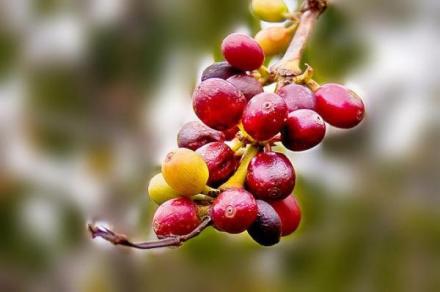
Climate change affects coffee cultivation in equatorial countries
As the second most traded commodity, coffee is second only to oil in value. Global climate change is affecting coffee cultivation in tropical countries on both sides of the equator, and the coffee crisis is already brewing. It is generally believed that large food companies will always be able to get coffee from somewhere in the future, or even if the temperature warms up, farmers can still grow coffee on higher mountains. But the researchers point out that in the main
San Marco has the hottest climate among the eight major coffee producing areas in Guatemala.
Volcano San Marco Volcanic San Marcos: volcano San Marco Volcanic San Marcos: San Marco has the hottest climate of the eight largest coffee producing areas in Guatemala, with a maximum rainfall of 200inches (5000 mm). The rainy season is earlier than in other areas, and coffee trees bloom earlier. Like other remote areas of Guatemala, the volcano San Marco coffee is grown by small farmers.
The taste of Rwandan coffee is described as "grass aroma" with tropical climate characteristics.
High-quality coffee comes from washed Arabica beans, which has a unique and perfect flavor. Rwanda coffee is absolutely high quality in the form of washed Arabica beans. As far as Africa is concerned, its coffee industry attracts attention because the country thrives mainly by producing the best possible coffee beans. The taste of Rwandan coffee is described as "grass aroma", with

Rwanda coffee taste "grass aroma" with tropical climate characteristics of boutique coffee
High-quality coffee comes from washed Arabica beans, which has a unique and perfect flavor. Rwanda coffee is absolutely high quality in the form of washed Arabica beans. As far as Africa is concerned, its coffee industry attracts attention because the country thrives mainly by producing the best possible coffee beans. The taste of Rwandan coffee is described as "grass aroma", with

Climate change threatens to reduce coffee production by 90% by 2050
Professional baristas follow Coffee Workshop (Wechat official account cafe_style) A study released on Monday shows that climate change will pose a serious threat to coffee in Latin America, which will produce 90 per cent less coffee by 2050 than it is today. Especially some high-quality coffee, such as Arabica coffee, this kind of coffee beans can not stand even temperature, humidity, day

An introduction to the Regional Climate of Blue Mountain Coffee in Jamaica
The unique flavor of Blue Mountain Coffee is related to the unique geographical location and climatic conditions of Blue Mountain. Blue Mountain is located in the coffee belt between 25 degrees north latitude and 25 degrees south latitude, with fertile new volcanic soil, fresh air, no pollution, rainy all the year round and great temperature difference between day and night. Most importantly, clouds cover the top of the mountain every afternoon, not only as a natural shade for coffee trees, but also for coffee trees.

The cultivation of boutique coffee beans at La Tisa Manor in Guatemala, geographical location, climatic sea
Because it is planted in the hills of volcanoes, it can retain its own characteristics more than Costa Rica, the main reason is that it has more geographical and climatic advantages than Costa Rica. Guatemala is located in the tropics, but due to the relatively high altitude, the climate is mild, it is a subtropical climate. Under the influence of this climate, coffee trees blossom and bear fruit more than any other place in the world.

A brief introduction to the cultivation of elegant Antigua boutique coffee beans, geographical location, climate and altitude
Like Guatemala's boutique coffee, Antigua coffee is grown in shade. In Antigua, shade is mainly used to protect coffee trees from frost, which is cold and sometimes frosty from December to February every year. Dense shade and extremely shallow aquifers work together to create a unique micro-climate for the coffee trees living in it. Ann