
"conditions"
29054 article(s) found
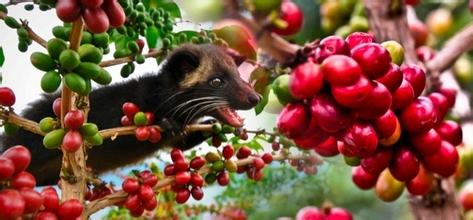
What is the growing environment of coffee beans? What conditions must be met to grow coffee beans?
Coffee is native to tropical Africa. The origin of the small seed species is the tropical plateau of Ethiopia. It is between 900 and 1800 meters above sea level with an average annual temperature of 19. C; the mid-grain species is native to the tropical rain forest of the Congo, with an average annual temperature of 2126 at an altitude of less than 900 meters. C . Their origins are shaded or semi-shaded forests and river valleys, so the formation of coffee requires calm wind, cool and wet.

Six conditions for coffee
The roasting of coffee beans pursues the perfect combination of six conditions: color, aroma, sour, sweet, bitter and body (the so-called round and mellow texture). In addition to the "color" is the quality of the appearance of coffee beans, the other five conditions are completely displayed between the tongue full of taste buds and the cheeks such as the upper and lower jaw, so the next time you drink coffee, don't rush to add sugar and cream. Try

What conditions do you need to grow coffee? where is the coffee planting belt located and why is it suitable for coffee cultivation?
Professional coffee knowledge exchange more coffee bean information Please follow the coffee workshop (Wechat official account cafe_style) Front Street-Coffee growing Zone introduction if we want to understand what is a coffee belt, we first need to know the growth environment of coffee tree, which plays a decisive role in the life cycle of plants: water, air, soil and light. But for coffee tree,

Which province in China is suitable for growing coffee beans-- introduction to the environmental conditions of planting
Which province in China is suitable for growing coffee beans-- introduction to the planting environment. At present, Yunnan coffee is mainly distributed in 11 prefectures and cities, such as Baoshan, Simao, Yuxi and Dehong. Among them, the quality of coffee in Baoshan and Simao area is the best. Lujiangba, a dry and hot valley, is a tropical treasure house in Baoshan. The average temperature in the dam is 21.5℃, the highest is 40.4 ℃, and there is almost no frost all the year round. The small grains of coffee cultivated here

Introduction to the production status and cultural flavor of coffee beans in Ecuador
Ecuador is a country with all the conditions for producing the highest quality coffee. Geographically located between Colombia and Peru, the inland mountains provide sufficient altitude for the production of high-quality SHB (Strictly Hard Bean: hard beans produced in the mountains). In addition to good climatic conditions, there is also fertile soil for the production of Ecuadorian coffee. Although

How should the planting conditions of coffee trees be planted?
Coffee is one of the three biggest drinks in the world, but do you know how it is grown? The important condition of coffee cultivation has a noun called coffee belt. There are more than 60 coffee producing countries in the world, most of which are located in the tropics and subtropics between the Tropic of Cancer (latitude 2326). This coffee growing area is called coffee belt (Coffee Belt) or coffee zone (

Introduction of Bourbon Rivida Coffee Bean characteristic Brand location condition Flavor description treatment method
Brazilian Bourbon Rivida Coffee Bean characteristic Brand location conditioned Flavor description method the ancient bourbon coffee is grown in some estates in the Serrado district of Minas Greais state in southeastern Brazil. These estates, such as Capin Branco and Vista Allegre, are old bourbon products.

Introduction to the quality characteristics of manor flavor description treatment method of Brazilian coffee bean planting condition and producing area
Brazilian coffee beans introduce that the vast majority of Brazilian coffee is Arabica, and the main varieties are Burubon, Mdonabang, Kalala and Rahukogi. Coffee has been cultivated in new places inland because of its natural benefits. After the war, the state of Panama became famous for its new coffee production in Brazil. Because its natural conditions are not superior, it is compared with that produced in the state of Sao Paulo.
The difference between high-altitude coffee trees and high-altitude coffee trees why high-altitude coffee bears very slow and less fruit
Ideal conditions most people think that tropical coffee is native and ideal for hot and humid environments-but this is not always the case. The best coffee actually comes from cooler, milder environments in the higher mountains of the tropics. The most suitable conditions for coffee cultivation include abundant rainfall, an average annual temperature of about 70 degrees Fahrenheit, good drainage and nutritious soil.

Introduction to Cuban Crystal Coffee with Natural growing conditions
In Cuba, most of the coffee beans are picked by hand. Coffee beans are picked about every half a month during the ripening period. During or after picking, coffee beans are classified and those immature and bad beans are removed to ensure the quality of the coffee. Cubans usually deal with coffee beans in two ways: sun exposure and water washing. Sunbathing is the easiest,

Cultivation conditions of coffee "coffee belt" (Coffee Belt)
There is a noun called Coffee Belt. There are more than 60 coffee producing countries in the world, most of which are located in the tropics and subtropics between the Tropic of Cancer (latitude 2326). This coffee growing area is called a coffee belt or coffee area (Coffee Zone). The annual average temperature of the coffee belt is above 20 ℃, because the coffee tree is a tropical plant, and if the temperature is below 20 ℃,

The growth of Kenyan Coffee out of Africa
The highest temperature of the year is 22: 26 ℃ and the lowest is 10: 14 ℃. These conditions are very suitable for the excellent growth of Arabica beans. As for the high quality Arabica coffee bean, the suitable growth condition is on the slope of 900m ~ 2000 m above sea level in the tropics, the suitable growth temperature is 1524 ℃, the humidity is high, and the annual rainfall is not less than 1.

Six conditions for standard good coffee
The roasting of coffee beans pursues the perfect combination of six conditions: color, aroma, sour, sweet, bitter and body (the so-called round and mellow texture). In addition to the "color" is the quality of the appearance of coffee beans, the other five conditions are completely displayed between the tongue full of taste buds and the cheeks such as the upper and lower jaw, so the next time you drink coffee, don't rush to add sugar and cream. Try

Ecuadorian Coffee Flavor Manor production area introduces Ecuadorian Coffee taste Santa Cruz Manor
Ecuador is a country with all the conditions for producing the highest quality coffee. Geographically located between Colombia and Peru, the inland mountains provide sufficient altitude for the production of high-quality SHB (Strictly Hard Bean: hard beans produced in the mountains). In addition to good climatic conditions, there is also fertile soil for the production of Ecuadorian coffee. Although

Coffee knowledge what conditions are needed for coffee cultivation
There is a noun called Coffee Belt. There are more than 60 coffee producing countries in the world, most of which are located in the tropics and subtropics between the Tropic of Cancer (latitude 2326). This coffee growing area is called a coffee belt or coffee area (Coffee Zone). The annual average temperature of the coffee belt is above 20 ℃, because the coffee tree is a tropical plant, and if the temperature is below 20 ℃,

What is the definition of fine coffee? Is hand-brewed coffee a fine coffee?
Professional coffee knowledge exchange More coffee bean information Please pay attention to coffee workshop (Weixin Official Accounts cafe_style) What is boutique coffee? What exactly is specialty coffee? How can it be called a "boutique"? To understand fine coffee, you must first start with the source of coffee. The origin of a cup of coffee can be roughly divided into three parts: innate conditions, acquired processing, and end.

Why do coffee beans at high altitude have higher hardness and the conditions for planting coffee trees?
Professional coffee knowledge exchange more coffee bean information please pay attention to the coffee workshop (Wechat official account cafe_style) why it is said that high-altitude coffee beans have higher hardness, the reason is that coffee beans are nutritious and have a long fruit growth cycle, just like most plants. Coffee beans themselves are the fruits of small shrubs, while the altitude is relatively low and the growth rate is relatively low.

Cultivation conditions in Nicaragua SHG grade the most classic flavor of traditional coffee varieties
The global trend of modern coffee has gone through three popular stages: the first stage is the popularity of cheap coffee represented by instant coffee from the post-World War II to the 1960s; the second stage is the popularity of commercial coffee represented by Starbucks from the 1960s to the beginning of this century; the third stage is the popularity of boutique coffee, which originated in the 1970s and has become a trend in the past decade.

Yunnan small grain coffee introduction, Yunnan coffee growing area, Yunnan coffee planting conditions.
Professional coffee knowledge exchange more coffee bean information please pay attention to coffee workshop (Wechat official account cafe_style) Yunnan Baoshan small grain coffee has a long history, Baoshan small grain coffee, Yunnan Baoshan Lujiang specialty, national geographical indication products, is one of the national and global coffee quality coffee, uniform and full-bodied, fresh smell, rich aroma, mellow taste, with

Low yield coffee cultivation conditions Cultivation process and method Introduction
West Africa is the origin of Liberian coffee. It has strong adaptability to various environments such as high temperature or low temperature, humidity or dryness. It is not resistant to leaf rust and its flavor is worse than Arabica. Therefore, it is only traded domestically in some West African countries (Libya, Cote d'Ivoire, etc.) or planted for research. Coffee circulating in the world market