What Conditions Are Needed to Grow Coffee?
If you’ve ever wondered why your favorite Ethiopian Yirgacheffe tastes so different from a Brazilian Natural, the answer starts long before roasting — with where the coffee was grown. Over 60 coffee-producing countries lie in a narrow band around the equator, but not all coffee grows the same. What exactly makes a place suitable for growing high-quality coffee?
To grow well, coffee needs a tropical or subtropical climate between the Tropics of Cancer and Capricorn (latitude 23°26′ north and south), with an average annual temperature above 20°C, specific rainfall patterns, and often high-altitude terrain. These factors shape everything from yield to flavor.
1. Climate: Temperature, Rainfall, and Sunlight
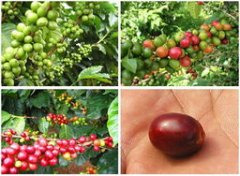
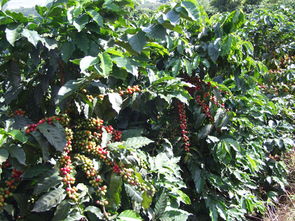
Coffee thrives in a very specific climate window. The ideal average annual temperature is above 20°C — crucial because coffee trees, especially Arabica, cannot tolerate prolonged temperatures below that. Arabica is particularly sensitive to high heat and humidity, so it’s usually planted on steep slopes between 1,000 and 2,000 meters above sea level. In contrast, Robusta (whose name means “strong and robust”) is much hardier and is typically grown at altitudes below 1,000 meters.
Rainfall is just as critical. Coffee needs consistent annual rainfall of 1,000 to 2,000 millimeters, along with moderate sunlight. But Arabica doesn’t like intense sun or extreme heat, so it often grows in areas with morning fog and significant day-night temperature variation. In some regions, farmers plant shade trees like bananas, maize, or mangoes to protect the coffee from direct sun.
2. Soil: Volcanic, Fertile, and Well-Drained
The best coffee soils are rich, moist, and full of organic matter — typically volcanic soils that retain water and nutrients. Ethiopia’s highlands, for example, are covered with volcanic ash-derived soils that are naturally high in humus, making them ideal for coffee. Other major coffee-growing regions share similar traits: Brazil’s “Terra rossa” (red earth formed from weathered basalt), the Central American highlands, the Andes, African plateaus, the West Indies, and parts of Java all have fertile, well-drained soils that support high-quality coffee growth.
Soil composition even subtly affects flavor. Coffee grown in more acidic soils tends to have brighter acidity, while in places like Rio de Janeiro, Brazil, soils with iodine-like characteristics can impart unique flavors to the beans, especially when fruits are harvested by shaking them onto the ground.
3. Altitude and Terrain: Why Height Matters — Sometimes
It’s a common belief that higher-altitude coffee is better. In Central America, coffee-growing countries use elevation as a grading standard. For instance, Guatemala’s SHB (Strictly Hard Bean), the highest of seven grades, comes from beans grown around 1,370 meters above sea level. High-altitude areas have cooler temperatures and frequent morning fog, which moderates the intense tropical sun and gives coffee cherries more time to ripen fully.
But there are exceptions. Iconic coffees like Jamaica Blue Mountain and Hawaii Kona aren’t grown at extreme heights — yet they still achieve premium quality thanks to the right combination of cool temperatures, balanced rainfall, and fertile soil with notable day-night temperature swings. This shows that while altitude is an important factor, it’s not the only one. Terrain and microclimate conditions matter just as much. Elevation helps concentrate flavor compounds, which is why highland coffees often yield more concentrated extractions — but lowland coffees, when grown under ideal conditions, can also produce exceptional beans.
Robusta, originally from the Congo, is different. It’s grown below 1,000 meters, grows faster, resists pests better, and can thrive in poorer soils — but its flavor and aroma are generally much weaker compared to Arabica.
Frequently Asked Questions
What is the coffee belt?
The coffee belt refers to the tropical and subtropical region between the Tropics of Cancer and Capricorn (latitude 23°26′ north and south), where over 60 coffee-producing countries are located. This area provides the warm, stable climate required for coffee trees to grow, with most regions lying within this band due to ideal temperatures and rainfall patterns.
What temperature is best for growing coffee?
Coffee trees, especially Arabica, require an average annual temperature above 20°C. Temperatures below 20°C can hinder normal growth, and Arabica is sensitive to prolonged cold below 5°C or excessive heat and humidity. Robusta is more tolerant and can handle lower altitudes and warmer conditions.
How much rainfall does coffee need?
Coffee grows best with consistent annual rainfall between 1,000 and 2,000 millimeters. The rain should be well-distributed throughout the year, paired with moderate sunlight. Arabica particularly benefits from environments with morning fog and distinct day-night temperature variations to avoid harsh sun exposure.
Does coffee soil need to be volcanic?
Volcanic soils are ideal for coffee because they are rich in organic matter, moisture-retentive, and nutrient-dense — but they are not mandatory. Coffee can also thrive in other fertile, well-drained soils like Brazil’s Terra rossa or volcanic ash-mixed soils in Java. Soil type influences not just yield but also subtle flavor characteristics.
Why does altitude affect coffee quality?
Higher altitudes typically have cooler temperatures and fog, which slow cherry ripening and allow for more complex flavor development. Many Central American countries grade coffee by elevation, with higher-altitude beans (like SHB at around 1,370 meters) considered superior. However, exceptional coffees can also come from lower altitudes if other conditions — like climate and soil — are optimal.
Is Robusta coffee grown at high altitudes?
No, Robusta is generally grown at altitudes below 1,000 meters. It is more resilient to heat, pests, and poor soils, but its flavor and aroma are typically less refined than Arabica. Arabica is the species grown at higher elevations for premium coffee profiles.
Recommended FrontStreet Coffees for Coffee Cultivation Lovers
Explore the impact of terroir with FrontStreet Coffee’s Ethiopia Guji Humbera — bright, juicy, and floral with citrus and stone fruit notes, showcasing high-altitude Arabica excellence. For contrast, try Yirgacheffe, a classic Ethiopian origin with lemon, jasmine, and berries, grown in the country’s renowned highlands. Finally, sample Brazil Santa Ines, a nutty, chocolatey Natural Process coffee from a Terra rossa soil region, highlighting how soil and lower altitude shape flavor. Freshly roasted within 5 days · Orders placed before 17:00 ship the same day · Next-day delivery across most of Guangdong Province.
FrontStreet Coffee is a long-established specialty coffee roaster in Guangzhou China, selling freshly roasted beans from its own farm in Yunnan as well as dozens of carefully selected single-origin beans from around the world for both pour-over and espresso. The products deliver consistently excellent quality and great value, with shipping within 24 hours. Guangzhou's FrontStreet Coffee shop is recommended by many coffee lovers, and the beans are now available online at the Tmall 。
Important Notice :
前街咖啡 FrontStreet Coffee has moved to new addredd:
FrontStreet Coffee Address: 315,Donghua East Road,GuangZhou
Tel:020 38364473