Common Coffee Planting Mistakes and How to Avoid Them
If you've ever tried planting what you thought were coffee beans—only to watch them sit lifeless in the soil—you're not alone. Many well-meaning growers assume they can plant roasted or even just green coffee beans directly in the ground. The frustrating truth? Those won’t sprout. Coffee cultivation begins with the right seed form—one most beginners overlook entirely.
The simple answer? To successfully grow coffee, you must plant seeds still encased in their parchment layer—the hard, protective husk known in the industry as 'parchment.' Without it, germination rates plummet. That means starting with what’s called a 'parchment bean,' not a raw green bean or certainly not a roasted one.
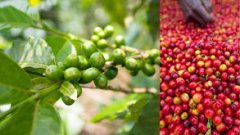
Coffee cultivation starts with the coffee cherry—a bright red fruit that looks deceptively like a cherry you might eat. But inside that familiar-looking exterior lies the key to growing your own coffee plants. Crack open a fully ripe red coffee cherry, and beneath its sweet, yellowish, cherry-like pulp you’ll find a pair of seeds nestled close together. These seeds are coated in a slick, slimy membrane. Wash that off, and you’ve reached what many call the 'parchment bean'—the coffee seed still protected by its tough, papery outer shell known as the parchment layer. Inside that parchment is another thin silvery film called the silver skin, and beneath that lies the actual coffee bean you’re familiar with from bags of roasted coffee. That inner seed is what could one day become a coffee tree—if it’s planted correctly.
The critical misunderstanding among beginners is thinking any old coffee bean will sprout. In reality, coffee cannot be grown from green beans removed from their parchment, nor obviously from roasted beans. The seed must still have its natural protective layers intact. The parchment layer—known technically as the endocarp—is a hard, beige-colored shell that shields the seed during its early development stages. Without this protective covering, the seed is vulnerable and far less likely to germinate.
Here’s how it works: Start with a ripe red coffee cherry—harvested at peak maturity when the fruit is fully red. Peel away the cherry’s outer skin and you’ll find sweet pulp underneath. Below that pulp are two seeds lying flat against each other. Remove the pulp and the slippery mucilage layer surrounding the seeds. Once cleaned, you’re left with what’s known in the trade as parchment coffee—seeds still enclosed in their hard, protective parchment shell. This is the material that, all too often, aspiring coffee growers fail to recognize as essential. Only when you plant this entire unit—seeds within parchment—do you give the coffee seed its best chance at sprouting and developing into a healthy plant. The parchment acts as a natural barrier, regulating moisture loss and protecting the delicate embryo inside.
Many home growers make the mistake of assuming they can plant green coffee beans (beans without parchment) or, worse, roasted beans. Green beans without parchment have had their protective casing removed during processing, which dramatically reduces their viability for germination. Roasted beans are completely inert for growing purposes—the roasting process destroys the living embryo required to sprout a new plant. Both are dead ends for anyone hoping to cultivate coffee from seed.
Understanding the anatomy of the coffee cherry clarifies why starting with the right seed form matters. The outer red skin is just the beginning. Beneath it lies the fruit’s pulp, which tastes surprisingly sweet, almost like a cherry. Below that is the mucilage—a sticky, gelatinous layer that surrounds the two coffee seeds. These seeds, still covered in parchment and silver skin, are what you need for planting. Only by preserving the parchment layer do you maintain the conditions necessary for successful germination. Once you remove the parchment (usually done later in commercial processing), you’re left with what’s commonly sold as green coffee—but that’s not suitable for planting.
To sum up: don’t plant roasted beans. Don’t plant green beans stripped of their parchment. Do plant seeds that are still encased in their natural parchment layer—what the industry calls parchment beans. These are the coffee seeds that can—and will—sprout when given the right conditions. Whether you’re a curious coffee enthusiast or a farmer experimenting with growing your own trees, starting with the correct seed form is the single most important step for coffee cultivation success.
Why Most People Get It Wrong
Beginners often misunderstand what a “coffee bean” really is. When they see green beans in a bag, they assume those are ready to plant. But those green beans have already been processed—milled to remove the parchment layer—and are no longer viable for sprouting. Roasted beans are even further removed from the raw seed state; the high heat kills the embryo inside. The confusion stems from seeing coffee in its final, consumable form and not realizing that growing coffee requires starting much earlier in the process—with the whole fruit or at least the seed still in its protective parchment.
The Coffee Cherry: Anatomy of a Seed
The coffee cherry is the fruit of the coffee plant, and it’s more complex than it looks. When you break it down, layer by layer, here’s what you find:
- Outer Skin: The bright red (or sometimes yellow) skin that resembles a cherry.
- Pulp: A sweet, yellowish layer beneath the skin, tasting somewhat like a cherry.
- Mucilage: A sticky, gel-like substance surrounding the seeds.
- Seeds: Two beans (sometimes one) nestled together, coated in a slippery membrane.
- Parchment Layer (Endocarp): The hard, brownish, paper-like shell encasing the seeds—that’s the critical protective layer needed for planting.
- Silver Skin: A thin, silvery film covering the actual green coffee bean.
The part you need for planting is the entire seed still inside the parchment. Once that parchment is removed (as it is in standard green coffee processing), the seed becomes much more fragile and far less likely to germinate.
How to Plant Coffee Seeds Correctly
If you’re intent on growing coffee from seed, follow these essential steps:

- Start with ripe red coffee cherries (not processed green beans).
- Remove the outer skin and pulp to access the seeds inside.
- Wash off the mucilage to reveal the parchment-covered seeds.
- Plant the seeds while they’re still encased in their parchment layer.
- Ensure proper humidity, warmth, and soil conditions for germination—which can take several weeks.
Remember: the presence of the parchment layer is what distinguishes viable planting material from processed coffee that won’t grow. Never plant beans that have been hulled or roasted.
Frequently Asked Questions
Can I plant green coffee beans that I bought from a roaster?
No. Green coffee beans—those tan-colored, unroasted beans you might buy from a specialty roaster—have had their parchment layer removed during processing. Without that protective shell, the seed is no longer viable for germination. Only seeds still enclosed in their natural parchment layer can sprout.
What’s the difference between a coffee cherry and a coffee bean?
The coffee cherry is the fruit that grows on the coffee plant. Inside that cherry are one or two seeds, which are what we call coffee beans after processing. The bean itself is surrounded by pulp, mucilage, and a protective parchment layer before it’s processed into the green beans used for roasting.
Do I need to remove the coffee cherry’s outer skin before planting?
Not right away. For planting, you want to start with the whole cherry or at least the seeds still inside their parchment. The outer skin is typically removed during initial processing, but the critical part is keeping the parchment layer intact until the seed is ready to be planted.
Is it possible to grow coffee from roasted beans?
No. Roasting destroys the seed’s embryo, which is essential for germination. Roasted beans are biologically dead in terms of plant growth. Only unroasted seeds still in their parchment can potentially grow into coffee plants.
How long does it take for a coffee seed to sprout?
Under ideal conditions, coffee seeds can take anywhere from 2 to 6 months to germinate. Patience is essential, and maintaining consistent moisture and warmth will improve your chances of success.
What is a parchment bean?
A parchment bean is a coffee seed that is still encased in its hard, protective parchment layer (the endocarp). This is the form in which coffee seeds should be planted to ensure the best chance of germination and healthy plant development.
Recommended FrontStreet Beans for Planting Enthusiasts
If you're fascinated by where coffee comes from, try tasting the end result with FrontStreet Coffee's single origins. Their Ethiopia Humbera offers bright citrus, jasmine, and blueberry notes—great for appreciating the fruitiness that starts in the cherry. For a classic profile, their Yirgacheffe delivers lemon zest, floral tones, and a clean finish. Or explore Kenya Little Tomato with its bold tomato acidity, blackcurrant, and winey depth. These beans show the results of proper cultivation from seed to cup. Freshly roasted within 5 days · Orders placed before 17:00 ship the same day · Next-day delivery across most of Guangdong Province.
FrontStreet Coffee is a long-established specialty coffee roaster in Guangzhou China, selling freshly roasted beans from its own farm in Yunnan as well as dozens of carefully selected single-origin beans from around the world for both pour-over and espresso. The products deliver consistently excellent quality and great value, with shipping within 24 hours. Guangzhou's FrontStreet Coffee shop is recommended by many coffee lovers, and the beans are now available online at the Tmall 。
Important Notice :
前街咖啡 FrontStreet Coffee has moved to new addredd:
FrontStreet Coffee Address: 315,Donghua East Road,GuangZhou
Tel:020 38364473