
"deadly"
1372 article(s) found

Eight principles for judging coffee by cup time
The first rule: clean, when light, clean, when strong, clean. Just like a room, it is easy to clean when empty, but it should be clean when full. The second principle: "main axis taste", which represents the characteristics of this production area. Clean coffee is the foundation. A dirty cup of coffee represents a flaw, but clean coffee can easily become "tasteless."

Several practical principles for judging coffee how to express the flavor of coffee
The first rule to judge coffee is: clean when light and even cleaner when strong. It's like a room, it's easy to be clean when it's empty, but it has to be clean when it's full. The second principle for judging coffee is that [spindle taste] represents the characteristics of this producing area. Cleanliness is the foundation. An unclean cup of coffee represents flaws, but clean coffee.

Introduction of defective beans in coffee roasting
Moldy beans: because of incomplete drying, or damp in the process of transportation and storage, cyan and white molds grow, which sometimes make the beans stick together. If these moldy beans are not removed, they will produce moldy smell. Dead beans: beans with abnormal results. The color is not easy to change because of baking, so it is easy to distinguish. The flavor is thin, as harmful as silver skin, and will become a peculiar smell.
Eight principles for judging Coffee by Coffee Common sense
The first principle: dry, dry when light, and even more dry when dry. Like a room, it is easy to dry when it is empty, but it should also be dry when pushing items. The second principle: "main flavor", which represents the characteristics of this region. Dry coffee is gay, and a cup of dry coffee represents a defect, but dry coffee can easily become tasteless.

The defects of high-quality coffee beans introduce the basic knowledge of coffee
Moldy beans: because of incomplete drying, or damp in the process of transportation and storage, cyan and white molds grow, which sometimes make the beans stick together. If these moldy beans are not removed, they will produce moldy smell. Dead beans: beans with abnormal results. The color is not easy to change because of baking, so it is easy to distinguish. The flavor is thin, as harmful as silver skin, and will become a peculiar smell.

What are the eight principles of cup testing?
The first principle: [clean], clean when light, and clean when strong. It's like a room, it's easy to be clean when it's empty, but it has to be clean when it's full. The second principle: [spindle flavor], that is, it represents the characteristics of this region. Cleanliness is the foundation, and an unclean cup of coffee represents a flaw, but clean coffee can easily become tasteless.
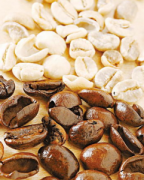
Coffee beans common sense coffee roasting defective beans introduction
Mildewed beans: because the drying is not complete, or in the transportation, storage process damp, and grow cyan, white mold, sometimes make beans stick together, if not remove these moldy beans, will produce mildew smell. Dead beans: beans that bear abnormal fruit. The color is not easily changed by baking, so it is easy to distinguish. The flavor is thin and harmful as silver skin, which will become peculiar smell.
Selection of coffee beans introduction to defective beans in coffee roasting
Moldy beans: because of incomplete drying, or damp in the process of transportation and storage, cyan and white molds grow, which sometimes make the beans stick together. If these moldy beans are not removed, they will produce moldy smell. Dead beans: beans with abnormal results. The color is not easy to change because of baking, so it is easy to distinguish. The flavor is thin, as harmful as silver skin, and will become a peculiar smell.
Basic knowledge of boutique coffee introduces several kinds of coffee defective beans
Moldy beans: because of incomplete drying, or damp in the process of transportation and storage, cyan and white molds grow, which sometimes make the beans stick together. If these moldy beans are not removed, they will produce moldy smell. Dead beans: beans with abnormal results. The color is not easy to change because of baking, so it is easy to distinguish. The flavor is thin, as harmful as silver skin, and will become a peculiar smell.

Eight principles for testing a good cup of coffee
The first principle: [clean], clean when light, and clean when strong. It's like a room, it's easy to be clean when it's empty, but it has to be clean when it's full. The second principle: [spindle flavor], that is, it represents the characteristics of this producing area. Cleanliness is the foundation, and an unclean cup of coffee represents a flaw, but clean coffee can easily become tasteless.

Eight principles for judging Coffee by Cup timing
The first principle: [clean], clean when light, and clean when strong. It's like a room, it's easy to be clean when it's empty, but it has to be clean when it's full. The second principle: [spindle flavor], that is, it represents the characteristics of this region. Cleanliness is the foundation, and an unclean cup of coffee represents a flaw, but clean coffee can easily become tasteless.
Eight principles for judging Coffee in Fine Coffee Science
The first principle: dry and dry, dry when light, and even more dry when strong. It's like a room, it's easy to dry when it's empty, but it has to be dry when it's full. The second principle: [spindle flavor], that is, it represents the characteristics of this producing area. Dry coffee is the foundation, and a cup of dry coffee represents a flaw, but dry coffee can easily become tasteless.

High-quality coffee beans defective beans in coffee baking
Moldy beans: because of incomplete drying, or damp in the process of transportation and storage, cyan and white molds grow, which sometimes make the beans stick together. If these moldy beans are not removed, they will produce moldy smell. Dead beans: beans with abnormal results. The color is not easy to change because of baking, so it is easy to distinguish. The flavor is thin, as harmful as silver skin, and will become a peculiar smell.

Coffee tasting knowledge eight principles for judging coffee by cup timing
The first principle: [clean], clean when light, and clean when strong. It's like a room, it's easy to be clean when it's empty, but it has to be clean when it's full. The second principle: [spindle flavor], that is, it represents the characteristics of this region. Cleanliness is the foundation, and an unclean cup of coffee represents a flaw, but clean coffee can easily become tasteless.

What causes the coffee machine extraction pressure to be too high-Delon coffee machine extractor installation
What causes the extraction pressure of the coffee machine to be too high-the Delong coffee machine extractor installs a continuous stream of hot water from above, and the consequence of extraction to the center of the coffee powder trough is that the central coffee powder is over-extracted. the surrounding coffee powder is underextracted. This is a very deadly design, but the automatic water filling system of American coffee machine has no way to improve the crux of the problem.

Basic knowledge of boutique coffee beans introduction to several kinds of coffee defective beans
Moldy beans: because of incomplete drying, or damp in the process of transportation and storage, cyan and white molds grow, which sometimes make the beans stick together. If these moldy beans are not removed, they will produce moldy smell. Dead beans: beans with abnormal results. The color is not easy to change because of baking, so it is easy to distinguish. The flavor is thin, as harmful as silver skin, and will become a peculiar smell.

Coffee common sense eight principles for judging a cup of coffee
The first principle: [clean], clean when light, and clean when strong. It's like a room, it's easy to be clean when it's empty, but it has to be clean when it's full. The second principle: [spindle flavor], that is, it represents the characteristics of this producing area. Cleanliness is the foundation, and an unclean cup of coffee represents a flaw, but clean coffee can easily become tasteless.

Eight principles for judging Coffee by Cup timing techniques for Coffee Taste
The first principle: [clean], clean when light, and clean when strong. It's like a room, it's easy to be clean when it's empty, but it has to be clean when it's full. The second principle: [spindle flavor], that is, it represents the characteristics of this region. Cleanliness is the foundation, and an unclean cup of coffee represents a flaw, but clean coffee can easily become tasteless.
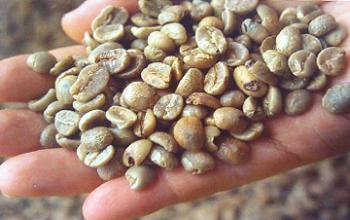
Detailed introduction of coffee beans: introduction of the classification characteristics and shapes of several kinds of defective beans
Coffee training several kinds of defective beans introduce moldy beans: because of incomplete drying, or damp during transportation and storage, cyan and white molds grow, which sometimes make the beans stick together. If these moldy beans are not removed, they will produce a moldy smell. Dead beans: beans with abnormal results. The color is not easy to change because of baking, so it is easy to distinguish. The flavor is thin, with silver skin
Explanation of some Coffee terms (2)
Defective beans: defective coffee beans mixed with raw beans, including moldy beans, dead beans, black beans, immature beans, fermented beans and so on. If the defective beans are not hand-picked before and after baking, it will destroy the taste of the coffee. Colombian fresh and bright coffee: this is one of the four categories of coffee classified by the New York Futures Exchange according to the origin of coffee. It is Colombian, Kenyan and Tanzanian coffee.