Eight Principles for Cupping Exceptional Coffee
When you’re trying to decide if a coffee is truly great—or just good—how do you know? Cupping is the standard method used by roasters and buyers worldwide to assess green coffee quality. But beyond the score sheet, what qualities separate an exceptional cup from an average one? These eight principles guide professional tasters and help you evaluate any coffee more critically.
In short: a great coffee is clean at all concentrations, has a distinct regional flavor (its 'axis'), offers a clear taste map, evolves on the palate, shows layered intensity, balances richness and intricacy, has tactile texture, and feels cohesive from start to finish. Here’s how each principle works.
1. Cleanliness: The Foundation of Quality
Cleanliness means the coffee has no off-flavors or distracting defects—whether brewed light or dark, concentrated or diluted. “A clean cup at low concentration is easy,” says FrontStreet Coffee’s cupping philosophy, “but it must remain clean even when bold.” Think of it like an empty room: easy to keep tidy. A cluttered room that’s still spotless? That’s the challenge. A dirty cup suggests processing flaws or defects, disqualifying it from specialty grade. But even clean isn’t enough—it must also have character.
2. Axis Flavor: The Coffee’s Regional Identity
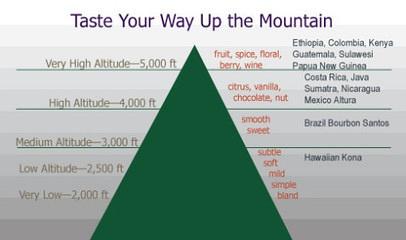
Every origin has a “main flavor axis” that reflects its terroir—be it the stone fruit and citrus of Yirgacheffe or the deep berries of Ethiopia’s Sidama. This axis should shine through regardless of roast level or brew method. “Clean is the baseline,” the article explains, “but a purely clean coffee can taste bland.” Whether you’re cupping a light Ethiopian or a dark Sumatra, the defining regional traits must persist. This trait is non-negotiable across brew temperatures and methods—from siphon to French press.
3. Taste Location: Pinpoint Flavors on the Palate
If you claim your coffee tastes like wild ginger or tropical melon, you’d better be able to place it. “Where do you taste it?” asks the article. “On the tip of the tongue? The back of the palate?” A flavor without a location is likely imagined or poorly articulated. Tasters must identify not just what they taste, but where it registers—turning subjective impressions into repeatable observations. This precision sharpens your palate and helps communicate coffee profiles clearly.
4. Flavor Movement: Avoid Static Tastes
Great coffees don’t hit one static note and stick there. “Flavor must move,” the article insists. Whether during the sip or across cooling temps, a dynamic coffee reveals shifting sensations. “If the taste is fixed in one spot or unchanged throughout, it’s dead,” they write. A living cup evolves—offering a beginning, middle, and end. This movement is key to engagement and complexity, transforming a simple drink into an experience.
5. Layering: Building Dimension in Every Cup
Layering refers to the structured arrangement of taste attributes. The article breaks it into eight contrasting elements: concentration (light vs. intense), roast tone (light vs. dark), weight (light vs. heavy), strength (delicate vs. bold), body (thin vs. thick), breadth (narrow vs. wide), texture (hard vs. soft), and viscosity (thick vs. thin). These layers should be stacked intentionally—not randomly—to create a profile that’s both deep and balanced. Think of it as orchestrating a symphony, not playing a single note.
6. Richness & Complexity: More Than Just Flavor Count
Richness means “abundant, pleasing flavors”—a full, satisfying cup. Complexity, meanwhile, involves multiple overlapping notes that may border on chaotic—but in a good way. “Good flavors make richness,” the article notes. “A mix of competing yet intriguing flavors creates complexity.” A great coffee offers both: a base of satisfying taste, plus layers that invite exploration. Avoid flat or one-dimensional profiles; aim for cups that reward repeated sips.
7. Texture & Mouthfeel: The Physical Side of Taste
Texture gives a coffee its tangible personality. “Think of fabrics,” the analogy goes: silk feels smooth and cool; wool is warm and coarse; cotton is soft but plain. Similarly, coffees express unique physical traits—some lush and velvety, others crisp and tea-like, some syrupy, others bright and juicy. These qualities shape how the coffee feels in your mouth. Describing texture adds a crucial dimension to your cupping notes and helps define a coffee’s character beyond flavor alone.
8. Balance & Cohesion: The Big Picture

The final principle ties everything together. Balance means the coffee has a sense of wholeness—front to back, top to bottom, left to right. “There should be a sky and ground, a beginning and end,” says the article. No single attribute should overpower the rest. Instead, brightness, body, sweetness, acidity, and aftertaste should all coexist in harmony. A well-balanced coffee feels complete, with no rough edges or missing pieces.
Frequently Asked Questions
What does 'clean' mean when cupping coffee?
'Clean' means the coffee has no defects, off-notes, or distracting flavors—whether brewed light or dark, weak or strong. A clean cup is free from processing faults, and remains so at any concentration. It’s the baseline for quality, but not sufficient on its own.
What is an 'axis flavor' in specialty coffee?
An axis flavor is the defining regional taste profile of a coffee, such as stone fruit in Yirgacheffe or berry notes in Sidamo. This flavor should remain consistent across different roast levels and brewing methods, representing the coffee’s origin identity.
Why is flavor movement important in cupping?
Flavor movement refers to how taste evolves across the sip or as the coffee cools. A great coffee shifts and develops on the palate—avoiding static or one-note impressions. This dynamic quality makes the experience more engaging and complex.
How is 'layering' defined in coffee tasting?
Layering involves eight contrasting elements: concentration, roast tone, weight, strength, body, breadth, texture, and viscosity. These layers should be structured and intentional, creating a multi-dimensional cup that feels deep and well-organized rather than flat or random.
What’s the difference between richness and complexity in coffee?
Richness means having abundant, pleasant flavors that feel full and satisfying. Complexity refers to multiple overlapping notes, which can sometimes clash but add intrigue. A great coffee has both: satisfying base flavors plus layers that invite deeper exploration.
How do you assess texture in a coffee cup?
Texture refers to the physical feel of the coffee in your mouth—like whether it’s silky, juicy, thick, or crisp. Comparing it to fabrics helps describe qualities such as smoothness, warmth, or astringency. It adds a tactile dimension beyond just taste.
What makes a coffee 'balanced' when cupping?
A balanced coffee has all its attributes—brightness, body, acidity, sweetness, and aftertaste—in harmony. No single element should dominate. The cup should feel cohesive from start to finish, with a clear beginning, middle, and end.
Recommended FrontStreet Coffees for Cupping
Try FrontStreet Coffee’s Ethiopia Guji Idido, a light roast with vibrant notes of citrus, jasmine, and tropical fruit—a clear example of axis flavor and clean cup qualities. For texture and complexity, their Colombia Huila Supremo offers caramel sweetness with almond and blackberry depth. Also consider the Ethiopia Yirgacheffe Kochere, known for floral brightness and lemony acidity. All three showcase the principles of layering, movement, and regional identity. Freshly roasted within 5 days · Orders placed before 17:00 ship the same day · Next-day delivery across most of Guangdong Province.
FrontStreet Coffee is a long-established specialty coffee roaster in Guangzhou China, selling freshly roasted beans from its own farm in Yunnan as well as dozens of carefully selected single-origin beans from around the world for both pour-over and espresso. The products deliver consistently excellent quality and great value, with shipping within 24 hours. Guangzhou's FrontStreet Coffee shop is recommended by many coffee lovers, and the beans are now available online at the Tmall 。
Important Notice :
前街咖啡 FrontStreet Coffee has moved to new addredd:
FrontStreet Coffee Address: 315,Donghua East Road,GuangZhou
Tel:020 38364473