
"disintegration"
525 article(s) found

Coffee crisis │ Coffee supply chain collapse warning
Coffee supply chain collapse warning Why Sustainable farming is closely related to you and me Professional baristas Please pay attention to Coffee Workshop (Wechat official account cafe_style) most coffee beans are produced in poorer developing countries in the southern hemisphere and are mainly supplied to rich developed countries in the northern hemisphere. The coffee world is changing due to climate change, according to the latest coffee from the U.S. Bureau of Agriculture (USDA).

The Origin and Development of El Salvador Avachapan Coffee beans what is the variety of Avachapan coffee beans
Professional coffee knowledge exchange more information about coffee beans Please follow the coffee workshop (Wechat official account cafe_style) became a Spanish colony in 1524 and declared its independence on September 15, 1821. Later became part of the Mexican empire. In 1822, the empire collapsed and El Salvador joined the Union of Central America. The Republic was proclaimed on February 18, 1841 after the disintegration of the Union in 1838.

Introduction of coffee flavor and taste of Panamanian jadeite manor coffee bean producing area
The Panamanian isthmus was originally a settlement of the Panama Canal of the Indian Ministry of Chibucha and the Caribbean. In 1501, Panama was colonized by Spain and belonged to the Governor of New Granada. [5] in 1821, Panama became independent and became part of the Republic of Greater Columbia. [5] in 1830, after the disintegration of the Republic of Great Columbia, it became the New Granada (later called Brother).

Introduction to the characteristics and taste of coffee flavor varieties in Manor Ireta, Panama
The Panamanian isthmus was originally a settlement of the Panama Canal of the Indian Ministry of Chibucha and the Caribbean. In 1501, Panama was colonized by Spain and belonged to the Governor of New Granada. [5] in 1821, Panama became independent and became part of the Republic of Greater Columbia. [5] in 1830, after the disintegration of the Republic of Great Columbia, it became the New Granada (later called Brother).
General knowledge of coffee bean baking equipment and roasting theory of coffee beans
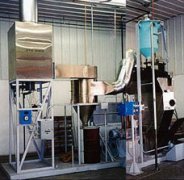
In addition to the degree of baking is divided into factions, even the roaster also has a family view. At present, there are two major professional roasters, one is the traditional rolling furnace (Drum Roaster), and the other is the newly developed hot gas furnace (Air Roaster). The former is heated by gas across the bottom of the furnace, while the metal blades in the furnace keep stirring the beans, while the latter bakes the beans with high-temperature hot air flow.
Introduction to the main points of coffee roasting knowledge: coffee bean roasting theory (3)
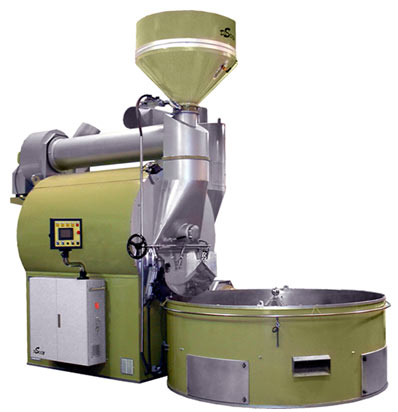
In addition to the degree of baking is divided into factions, even the roaster also has a family view. At present, there are two major professional roasters, one is the traditional rolling furnace (Drum Roaster), and the other is the newly developed hot gas furnace (Air Roaster). The former is heated by gas across the bottom of the furnace, while the metal blades in the furnace keep stirring the beans, while the latter bakes the beans with high-temperature hot air flow.
According to the classification of professional roasters, what are the different baking methods for different roasters?
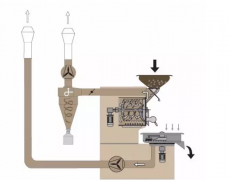
In addition to the degree of baking is divided into factions, even the roaster also has a family view. At present, there are two major professional roasters, one is the traditional rolling furnace (Drum Roaster), and the other is the newly developed hot gas furnace (Air Roaster). The former is heated by gas across the bottom of the furnace, while the metal blades in the furnace keep stirring the beans, while the latter bakes the beans with high-temperature hot air flow.
Roasting techniques for the treatment of raw coffee beans: coffee bean roasting theory (3) detailed introduction
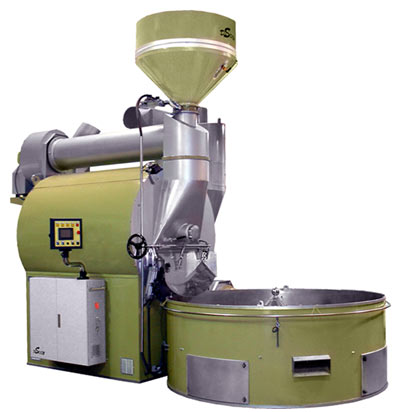
In addition to the degree of baking is divided into factions, even the roaster also has a family view. At present, there are two major professional roasters, one is the traditional rolling furnace (Drum Roaster), and the other is the newly developed hot gas furnace (Air Roaster). The former is heated by gas across the bottom of the furnace, while the metal blades in the furnace keep stirring the beans, while the latter bakes the beans with high-temperature hot air flow.

Flavor and taste characteristics of Cupid Coffee Manor in Panama
The Panamanian isthmus was originally a settlement of the Panama Canal of the Indian Ministry of Chibucha and the Caribbean. In 1501, Panama was colonized by Spain and belonged to the Governor of New Granada. [5] in 1821, Panama became independent and became part of the Republic of Greater Columbia. [5] in 1830, after the disintegration of the Republic of Great Columbia, it became the New Granada (later called Brother).

El Salvador Himalayan coffee flavor with soft, slightly sour and beautiful sweetness
El Salvador was originally inhabited by the Mayan Indians. Scenery of the Republic of El Salvador (11 pictures) was colonized by Spain in 1524. Independence was declared on September 15, 1821 and later became part of the Mexican Empire. In 1823 the empire collapsed and El Salvador joined the Union of Central America. The Communist Party of China was declared on February 18, 1841 after the disintegration of the Union in 1838.

Principles of coffee grinding
Generally speaking, a good grinding method should include the following four basic principles:
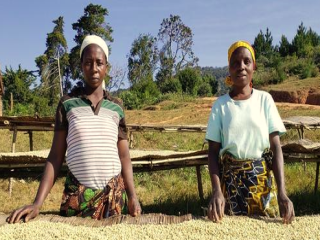
Malawi coffee| Malawi coffee growing history story_Malawi coffee growing area introduction
Coffee was introduced to Malawi in the late 19th century, and folklore tells of a Scottish missionary who brought a small coffee tree in 1878 and planted it in the Blantyre region of southern Malawi. Early Malawi coffee was brilliant when Malawi was a British colony in 1946.
Coffee grinding principle
Generally speaking, a good grinding method should include the following four basic principles: (1) the degree of grinding suitable for cooking method should be selected; (2) the temperature of the cattle produced during grinding should be low; (3) the powder should be uniform after grinding; and (4) it should be ground before cooking. No matter what kind of grinder is used, it is bound to generate heat by friction in operation. Most of the fine substances are highly volatile, and the heat of grinding will increase.

The unique mellow coffee beans from Xidamasha Chiso producing area of Ethiopia have a special flavor and taste.
Sidamo Coffee beans are grayish, thick in some places and small in others, with soft and strong acidity, mellow and sweet and spicy. It is one of the courtyard coffees in the highlands of southern Ethiopia. It is different from ordinary African coffee in that Sidamo has clear acidity, smooth taste and delicate floral flavor. Different soil
General knowledge of Coffee Technology Coffee Grinding principles
Generally speaking, a good grinding method should include the following four basic principles: (1) the degree of grinding suitable for cooking method should be selected; (2) the temperature of the cattle produced during grinding should be low; (3) the powder should be uniform after grinding; and (4) it should be ground before cooking. No matter what kind of grinder is used, it is bound to generate heat by friction in operation. Most of the fine substances are highly volatile, and the heat of grinding will increase.

On the concept and principle of Coffee Grinding
The operation of crushing roasted coffee beans is called grinding.

The principle of coffee grinding coffee beans grinding method
In general, a good grinding method should include the following four basic principles: 1. The grinding degree suitable for the brewing method should be selected; 2. The temperature of the cattle produced during grinding should be low; 3. The powder after grinding should be uniform; 4. Grinding before brewing. No matter what kind of grinding machine is used, it will certainly generate heat by friction during operation. Most of the fine substances are highly volatile, and the heat of grinding will increase.

Principles of coffee grinding basic knowledge of coffee beans
Generally speaking, a good grinding method should include the following four basic principles: 1, the degree of grinding suitable for cooking method should be selected; 2, the temperature of cattle produced during grinding should be low; 3, the powder should be uniform after grinding; 4, it should be ground before cooking. No matter what kind of grinder is used, it is bound to generate heat by friction in operation. Most of the fine substances are highly volatile, and the heat of grinding will increase.
General knowledge of fine coffee beans principles of coffee grinding
Generally speaking, a good grinding method should include the following four basic principles: 1, the degree of grinding suitable for cooking method should be selected; 2, the temperature of cattle produced during grinding should be low; 3, the powder should be uniform after grinding; 4, it should be ground before cooking. No matter what kind of grinder is used, it is bound to generate heat by friction in operation. Most of the fine substances are highly volatile, and the heat of grinding will increase.
General knowledge of fine coffee the principle of grinding coffee beans
Generally speaking, a good grinding method should include the following four basic principles: 1, the degree of grinding suitable for cooking method should be selected; 2, the temperature of cattle produced during grinding should be low; 3, the powder should be uniform after grinding; 4, it should be ground before cooking. No matter what kind of grinder is used, it is bound to generate heat by friction in operation. Most of the fine substances are highly volatile, and the heat of grinding will increase.