Drum vs Air Roasters: Key Differences in Coffee Roasting
If you’ve ever wondered why the same single origin can taste sweet and balanced in one café but sharp and thin in another, the answer often starts with the roaster—not just the beans. Two major types of machines dominate professional coffee roasting: drum roasters and air roasters. Each creates dramatically different results, even from identical green coffee. Here’s what every coffee enthusiast should know.
In short: Drum roasters (like those used by specialty pioneers such as Allegro and Intelligentsia) roast slowly over 11–25 minutes, developing smoother, sweeter, and more complex flavors. Air roasters, used by mass-market producers for McDonald’s and Burger King, roast in 3–15 minutes with intense heat airflow, resulting in brighter but often more acidic and less developed cups.
Two Roasting Methods: Drum vs Air
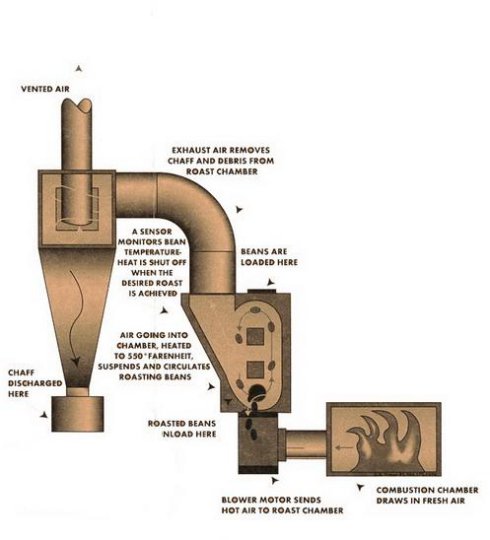
The professional coffee roasting world is split between two main technologies: drum roasters and air roasters. Drum roasters, the traditional choice, use gas heat from below while internal metal paddles continuously agitate the beans. Air roasters, a newer approach, rely on high-speed hot air currents to suspend and roast the beans without mechanical agitation. This fundamental difference influences roast speed, flavor development, and even the types of businesses that prefer each method.
How Drum Roasters Work
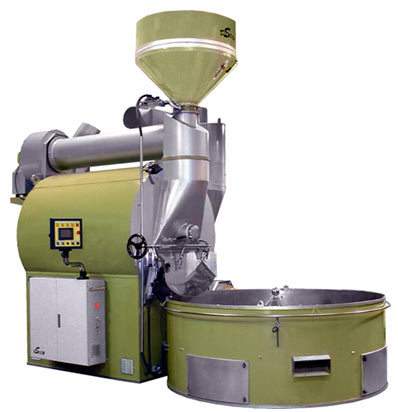
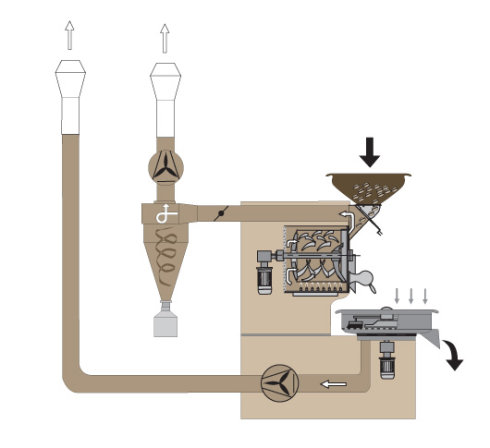
Drum roasters heat beans indirectly via a gas-fired drum base while rotating blades keep the coffee moving. This slow, controlled method—often taking 11 to 25 minutes—is favored by specialty roasters who prioritize flavor complexity. The gentle tumbling allows even heat transfer and minimizes cell damage. Notably, drum roasting is sometimes called “slow roasting” and is associated with a more balanced, sweeter cup profile.
How Air Roasters Work
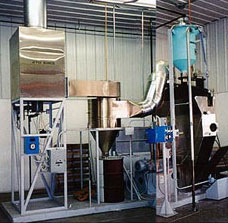
Air roasters use powerful streams of hot air (typically at high temperatures) to roast beans by lifting and circulating them inside the chamber. With roast times as short as 3 to 15 minutes, this method is much faster than drum roasting. The lack of mechanical stirring means the beans are constantly in motion due to the airflow alone. This technique, often dubbed “fast roasting,” is popular among large-scale commercial roasters for its efficiency and reduced bean weight loss.
Flavor Profiles: Slow Roast vs Fast Roast
Slow-roasted coffee (drum) tends to develop deeper, rounder flavors with pronounced sweetness and lower perceived acidity. The extended roast time allows for more gradual chemical changes, including a controlled Maillard reaction and breakdown of undesirable acids. In contrast, fast-roasted coffee (air) typically exhibits higher acidity, more pronounced brightness, and sometimes a thinner body. The quicker process can preserve more chlorogenic acids, contributing to a sharper, more astringent cup.
The Science of Chlorogenic Acids and Roast Speed
All green coffee contains chlorogenic acids—a group of bitter, plant-defense compounds that contribute to astringency and bitterness. Roasting breaks down these acids, but the rate of breakdown depends heavily on roast speed. Research shows that faster roasting (as in air roasters) leaves more chlorogenic acids intact, resulting in a more acidic and sharper cup. Conversely, slower drum roasting reduces chlorogenic acid content significantly, leading to a smoother, less bitter flavor. For instance, Robusta beans (often used in commercial blends) contain around 10% chlorogenic acids, compared to about 6% in Arabica—contributing to their typically harsher taste.
Acidity, Roast Time, and Flavor Balance
Green coffee also contains desirable organic acids like citric, malic, phosphoric, acetic, and quinic acids, which contribute to fruity, bright, and complex flavors in the cup. These acids peak in concentration during medium roasts and diminish as roasting progresses to darker levels. Slow roasting allows these acids to integrate more harmoniously, creating a well-balanced cup with nuanced acidity. Fast roasting, by contrast, can highlight certain acids unevenly, leading to a cup that may taste overly sharp or one-dimensional. That’s why many espresso blends are slow-roasted—to ensure a smooth, rounded acidity that complements crema and body.
Why Roast Method Matters to You
The choice between drum and air roasting affects not just the flavor, but also the entire coffee experience. Small-batch specialty roasters often opt for drum roasters to highlight origin characteristics and develop complex sugars through longer roast times. Larger commercial operations favor air roasters for speed, consistency, and reduced weight loss during roasting. Even variables like ambient humidity, bean density, moisture content, and roast day weather conditions play a role in how these machines perform—making the roaster’s skill as much scientific as artistic.
Frequently Asked Questions
What is the main difference between a drum roaster and an air roaster?
Drum roasters heat coffee beans using gas from below while rotating metal blades stir the beans, taking 11–25 minutes. Air roasters use high-velocity hot air to suspend and roast beans without agitation, completing the process in 3–15 minutes.
Which roasting method produces a sweeter cup?
Drum roasting, with its slower roast times (11–25 minutes), generally produces a sweeter, smoother, and more balanced cup by allowing gradual flavor and sugar development.
Does air roasting make coffee more acidic?
Yes. Air roasting’s faster process (3–15 minutes) preserves more chlorogenic acids and can highlight certain organic acids unevenly, often resulting in a brighter but more acidic and sometimes astringent cup.
Why do specialty roasters prefer drum roasters?
Specialty roasters favor drum roasters for their ability to develop complex flavors through slower, controlled roasting (11–25 minutes), enhancing sweetness, body, and origin characteristics without excessive acidity.
Are commercial coffee chains more likely to use air roasters?
Yes. Many large-scale commercial coffee providers, including those serving McDonald’s and Burger King, use air roasters for their faster roast times (3–15 minutes) and greater efficiency.
What role do chlorogenic acids play in coffee flavor?
Chlorogenic acids are bitter compounds in green coffee that break down during roasting. Faster roasting leaves more of them intact, increasing bitterness and acidity, while slower roasting reduces them for a smoother cup.
Recommended FrontStreet Beans for Roast Comparison
Try FrontStreet Coffee’s Ethiopia Humbera for bright, juicy acidity ideal for air-roasted profiles, and their PWN Golden Mandheling for a classic slow-roasted balance with sweet body and low acidity. Both showcase how roast method shapes flavor. Freshly roasted within 5 days · Orders placed before 17:00 ship the same day · Next-day delivery across most of Guangdong Province.
FrontStreet Coffee is a long-established specialty coffee roaster in Guangzhou China, selling freshly roasted beans from its own farm in Yunnan as well as dozens of carefully selected single-origin beans from around the world for both pour-over and espresso. The products deliver consistently excellent quality and great value, with shipping within 24 hours. Guangzhou's FrontStreet Coffee shop is recommended by many coffee lovers, and the beans are now available online at the Tmall 。
Important Notice :
前街咖啡 FrontStreet Coffee has moved to new addredd:
FrontStreet Coffee Address: 315,Donghua East Road,GuangZhou
Tel:020 38364473