4 Key Principles for Grinding Coffee Beans
Ever wonder why your freshly bought coffee beans taste flat just minutes after grinding? Or why your pour-over doesn’t hit the same notes as your favorite café’s espresso? The secret often lies not in the beans themselves—but in how you grind them. Get the grind wrong, and you risk losing aroma, over-oxidizing the coffee, and ending up with uneven extraction. Whether you’re brewing with a V60, French press, or espresso machine, how you reduce those beans to grounds shapes everything that follows.
In short: choose the right grind size for your brew method, keep grinding heat low, ensure uniform particle size, and always grind right before brewing. These four principles define a high-quality grind, no matter the machine you use.
Why Grind Size Matters for Each Brew Method
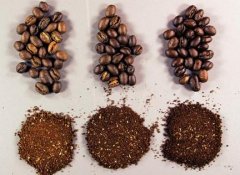
Different brewing methods extract coffee differently. That’s why grind size isn’t one-size-fits-all. For espresso, you want a fine grind—around 1–2 on most grinders, or a sieve passing rate similar to a standard No. 20 mesh. For pour-over methods like V60 or Chemex, a medium-fine to medium grind (around 8–12 on common grinders) works best to balance flow rate and extraction time. French press requires a coarse grind to prevent over-extraction and sludge. Using the wrong grind size leads to under- or over-extracted coffee, no matter how good your beans are.
Why Heat During Grinding Hurts Your Coffee
All grinders generate some friction—and therefore heat—when crushing coffee beans. This might seem minor, but heat speeds up the evaporation of volatile aromatic compounds that give coffee its distinct scent and flavor. High-quality aromatic substances are especially prone to vaporization when exposed to even slight temperature increases during grinding. While no home grinder will get as hot as industrial equipment, keeping grinding time short and avoiding excessive motor strain helps minimize heat buildup and preserve freshness.
The Faster Coffee Oxidizes After Grinding
Once ground, coffee’s cell structure breaks down completely, drastically increasing surface area exposure to air. This speeds up both oxidation and staling. Studies and practical experience show that ground coffee can lose a significant portion of its aroma and flavor within just 30 seconds to 2 minutes after grinding. That’s why pre-ground coffee often tastes stale compared to fresh-ground. The moment you grind, oxygen begins degrading the coffee’s delicate compounds. To slow this process, grind right before you brew.
The Stone Age Method: Pestle and Mortar
Before modern electric grinders, people used stone pestles and mortars to grind coffee. Surprisingly, one foreign doctor tested this ancient method against modern electric grinders and claimed the old-fashioned way produced more flavorful coffee. Theoretically, the pestle’s impact crushes beans without excessively damaging the cell structure, helping retain more aromatic compounds. However, unless you’re living off-grid or love historical reenactments, this method isn’t practical today. Modern burr grinders offer a more reliable, consistent alternative—if you choose wisely.
Why Grinder Quality Is Non-Negotiable
Since using a pestle and mortar isn’t realistic for most, your next-best option is a high-quality grinder. Burr grinders are strongly preferred over blade grinders because they produce a more uniform grind size, which is critical for balanced extraction. Inconsistent grind particles lead to uneven brewing—some grounds over-extract while others under-extract, resulting in a mix of bitter and sour notes. Whether manual or electric, a burr grinder gives you control over grind size and reduces heat buildup compared to low-quality mills.
Frequently Asked Questions
What are the four basic principles of good coffee grinding?
The four key principles are: selecting the right grind size for your brewing method, keeping grinding heat as low as possible, ensuring the coffee particles are uniformly sized, and grinding the beans just before brewing. Together, these steps help preserve aroma, improve extraction, and enhance flavor.
Does grinding coffee generate heat, and does it matter?
Yes, all grinders create some frictional heat during operation. This heat can accelerate the evaporation of volatile aromatic compounds in coffee, reducing its fragrance and flavor. While home grinders typically don’t get extremely hot, minimizing heat helps preserve the coffee’s fresh qualities.
How long after grinding does coffee start to lose flavor?
Coffee can begin to lose its aroma and flavor within 30 seconds to 2 minutes after grinding due to increased oxidation. Once the coffee’s cell walls break down, exposure to air speeds up staling. That’s why it’s best to grind right before you brew.
Is it better to use a pestle and mortar than a modern grinder?
While a traditional stone pestle and mortar was shown in one experiment to produce flavorful coffee possibly due to less cell damage, it’s not practical for daily use. Modern burr grinders are more reliable for achieving consistent grind size and better flavor overall.
Why is grind uniformity important in coffee brewing?
Uniform grind size ensures even water flow and extraction during brewing. Inconsistent grinds lead to uneven extraction—some particles over-extract (bitterness) and others under-extract (sourness)—resulting in imbalanced and undesirable flavors in the cup.
Can I grind coffee beans ahead of time?
It’s not recommended. Pre-ground coffee loses aroma and flavor quickly due to oxidation. For the freshest cup, grind your beans immediately before brewing to preserve their volatile compounds and taste profile.
Recommended FrontStreet Coffee Beans for Fresh Grinding
For the best results when grinding just before brewing, try FrontStreet Coffee’s Ethiopia Humbera—bright with citrus, floral, and jasmine notes—or their Kenya Little Tomato, known for bold blackcurrant, tomato leaf, and winey acidity. Both shine when freshly ground for pour-over or filter methods. For espresso lovers, their PWN Golden Mandheling offers heavy body, chocolate, and sweet spice, ideal when ground finely. Freshly roasted within 5 days · Orders placed before 17:00 ship the same day · Next-day delivery across most of Guangdong Province.
FrontStreet Coffee is a long-established specialty coffee roaster in Guangzhou China, selling freshly roasted beans from its own farm in Yunnan as well as dozens of carefully selected single-origin beans from around the world for both pour-over and espresso. The products deliver consistently excellent quality and great value, with shipping within 24 hours. Guangzhou's FrontStreet Coffee shop is recommended by many coffee lovers, and the beans are now available online at the Tmall 。
Important Notice :
前街咖啡 FrontStreet Coffee has moved to new addredd:
FrontStreet Coffee Address: 315,Donghua East Road,GuangZhou
Tel:020 38364473