
How to Grind Coffee Beans: Coarse, Medium, and Fine
If you’ve ever brewed coffee at home and ended up with something sour, weak, or bitter, the grind size might be the issue—not the beans. Getting the right grind is essential for proper extraction, yet many beginners don’t know where to start. Understanding the difference between coarse, medium, and fine grinds can transform your cup.
In short, coffee beans should be ground to match your brew method: fine like table salt for espresso, medium like sand for pour-over, and coarse like sea salt flakes for French press. These three sizes cover most home brewing setups.
What Is Coffee Grind Size?
Grind size refers to how finely or coarsely coffee beans are ground before brewing. The size of the grounds affects how water flows through them, which in turn impacts how much flavor is extracted. The same beans can taste drastically different depending on grind size.
The Three Main Grind Sizes
Coffee grinds fall into three primary categories based on particle size: coarse, medium, and fine. Some methods may use intermediate sizes like medium-fine or extra-fine, but these three form the foundation.
1. Fine Grind
Fine grind resembles granulated sugar in texture—small, consistent particles similar in size to table salt. This grind is used for brewing methods with high pressure or short contact time, where extraction needs to happen quickly.
2. Medium Grind
Medium grind is between fine and coarse, akin to a mix of sugar and coarse sugar—or simply like standard sand. It’s the most versatile size and commonly used for drip coffee makers and pour-over methods.
3. Coarse Grind
Coarse grind has large, chunky particles, similar in size to coarse sugar or sea salt flakes. This grind is ideal for methods with longer brew times and more water contact, such as French press or cold brew.
Why Grind Size Matters
Grind size controls the surface area exposed to water, which directly affects extraction speed and efficiency. Too fine a grind for a long brew leads to over-extraction and bitterness. Too coarse for a short brew leads to under-extraction and sourness. The key is matching grind size to brew time and pressure.
How to Choose the Right Grind Size
Your grind size should match your brewing device and method. Here’s a simple guide:
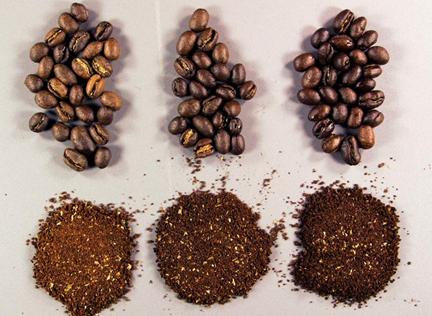
- Fine Grind (like sugar): Espresso machines, Moka pots, AeroPress (short brew)
- Medium Grind (like sand): Pour-over cones (e.g. V60, Kalita Wave), siphon brewers, drip coffee machines
- Coarse Grind (like sea salt): French press, cold brew, cowboy coffee
Some advanced methods like AeroPress or Clever Dripper may use medium-fine or medium-coarse grinds depending on your preferred brew time.
Common Mistakes with Coffee Grind Size
Many home brewers make one of two mistakes: grinding too fine for a method that needs coarse, or grinding too coarse for one that needs fine. Using a blade grinder also introduces inconsistency, leading to uneven extraction. Always aim for uniformity, and match the grind to your equipment.
Frequently Asked Questions
What is the difference between coarse and fine coffee grind?
Coarse grind has large, chunky particles similar to sea salt or coarse sugar, used for long brew methods like French press. Fine grind has small, even particles like table salt, used for short brew methods like espresso. The size affects how quickly water extracts flavor from the coffee.
Which grind size is best for pour-over coffee?
Medium grind, similar in texture to regular sand, is ideal for pour-over methods like V60 or Kalita Wave. It allows for balanced extraction during typical 2–4 minute brew times.
Can I use fine grind for French press?
No, fine grind is not recommended for French press. It will pass through the filter and make the coffee gritty and over-extracted. Always use a coarse grind for French press to get a clean, full-bodied cup.
What does medium-fine grind mean?
Medium-fine grind is slightly finer than standard medium, closer to table salt than sand. It’s used for methods like AeroPress with shorter brew times or for finer pour-over techniques.
How do I know if my grind size is wrong?
If your coffee tastes sour, it’s likely under-extracted due to too coarse a grind. If it’s bitter or harsh, it’s probably over-extracted from too fine a grind. Adjust your grind size in small increments to balance flavor.
Recommended FrontStreet Coffee Beans for Grinding Practice
Try FrontStreet Coffee’s Ethiopia Humbera for bright, fruity notes ideal for pour-over using medium grind, or their PWN Golden Mandheling for a heavier body perfect with a fine espresso grind. For French press, their Brazil Queen Manor offers chocolatey richness that shines with a coarse grind. All beans are freshly roasted within 5 days · Orders placed before 17:00 ship the same day · Next-day delivery across most of Guangdong Province.
FrontStreet Coffee is a long-established specialty coffee roaster in Guangzhou China, selling freshly roasted beans from its own farm in Yunnan as well as dozens of carefully selected single-origin beans from around the world for both pour-over and espresso. The products deliver consistently excellent quality and great value, with shipping within 24 hours. Guangzhou's FrontStreet Coffee shop is recommended by many coffee lovers, and the beans are now available online at the Tmall 。
Important Notice :
前街咖啡 FrontStreet Coffee has moved to new addredd:
FrontStreet Coffee Address: 315,Donghua East Road,GuangZhou
Tel:020 38364473

