
"exocarp"
1261 article(s) found

Honey-treated Nicaraguan Coffee Lemon Tree Manor Coffee Flavor and taste Manor
Lemon Tree Manor also processes coffee in a honey-treated way. After the coffee fruit is actually picked, the coffee with its exocarp removed is put on the African shed to dry. Compared with the traditional way of placing coffee directly on the ground to dry coffee, using African shed to dry coffee can reduce more pollution in the drying process, avoid producing more miscellaneous smell, and finally improve the quality of coffee.

What are the characteristics of four common coffee treatments: sun exposure, water washing, semi-washing and honey treatment?
Before we talk about these treatments, let's introduce the structure of coffee berries. From the outside to the inside, they are exocarp, mesocarp, pectin layer, endocarp, silver skin and seed. Sheep skin often refers to endocarp. The coffee beans we buy for roasting usually have silver skins instead of sheep skins. The coffee in the initial processing method is parchment coffee beans, which are determined to be

Introduction to the production area of Rwanda coffee bean flavor description grinding scale manor
Most of the coffee in Rwanda is washed. The water washing method will first wash and flotation the ripe coffee fruit, then remove the exocarp, pulp and part of the pectin layer, then send the coffee into the fermentation tank, remove the remaining pectin layer and then send it to the drying ground for drying treatment, so that the water content reaches about 13%. The coffee in the picture above is placed in an African shed to dry.

The method of dealing with high-quality coffee beans
There are a pair of oval seeds in the center of the fruit of the coffee tree, which are covered with exocarp, endocarp and pulp. Ripe fruit will rot in a short period of time without treatment, so the purpose of refining is to enable coffee beans to be preserved for a long time, easy to store and circulate.

Tanzania Coffee Flavor Taste Manor characteristics of Arusha Coffee Manor
Tanzanian coffee is mostly washed. After picking, coffee farmers will send the coffee fruit to the nearest processing plant for processing. The treatment step of the water washing method is to screen and remove the impurities in the coffee fruit, then remove the coffee pulp and exocarp, send it into the fermentation tank, and remove the pectin layer from the inner pericarp by fermentation. Clean

Introduction to the characteristics of Kilimanjaro Coffee from Tanzania Coffee
Tanzanian coffee is mostly washed. After picking, coffee farmers will send the coffee fruit to the nearest processing plant for processing. The treatment step of the water washing method is to screen and remove the impurities in the coffee fruit, then remove the coffee pulp and exocarp, send it into the fermentation tank, and remove the pectin layer from the inner pericarp by fermentation. Clean

Introduction to the description of the taste and flavor of the grinding scale manor in the production area of Rwanda coffee beans
Most of the coffee in Rwanda is washed. The water washing method will first wash and flotation the ripe coffee fruit, then remove the exocarp, pulp and part of the pectin layer, then send the coffee into the fermentation tank, remove the remaining pectin layer and then send it to the drying ground for drying treatment, so that the water content reaches about 13%. The coffee in the picture above is placed in an African shed to dry.

Grinding scale of coffee beans in Tanzania introduction to the description of manor flavor by variety treatment
Tanzanian coffee is mostly washed. After picking, coffee farmers will send the coffee fruit to the nearest processing plant for processing. The treatment step of the water washing method is to screen and remove the impurities in the coffee fruit, then remove the coffee pulp and exocarp, send it into the fermentation tank, and remove the pectin layer from the inner pericarp by fermentation. Clean

Sour, sweet and bitter coffee manor in Tanzania flavor and taste characteristics boutique coffee bean technology begging
Tanzanian coffee is mostly washed. After picking, coffee farmers will send the coffee fruit to the nearest processing plant for processing. The treatment step of the water washing method is to screen and remove the impurities in the coffee fruit, then remove the coffee pulp and exocarp, send it into the fermentation tank, and remove the pectin layer from the inner pericarp by fermentation. Clean

Introduction to the Grinding Calibration Manor of the Regional treatment method for the Variety characteristics of Coffee beans in Rwanda
Most of the coffee in Rwanda is washed. The water washing method will first wash and flotation the ripe coffee fruit, then remove the exocarp, pulp and part of the pectin layer, then send the coffee into the fermentation tank, remove the remaining pectin layer and then send it to the drying ground for drying treatment, so that the water content reaches about 13%. The coffee in the picture above is placed in an African shed to dry.

What is the honey treatment of coffee beans? What is coffee honey treatment?
The coffee beans we use when making coffee are actually the seeds inside the coffee fruit. In the outer layer of the seed, there are exocarp, pulp, pectin, endocarp and silver peel and other structures, and the purpose of processing is to remove these external structures in order to obtain internal coffee seeds. Review on the rise of Water-saving Taste in Honey treatment; the three major treatment methods of coffee: sun exposure, washing and honey treatment

Introduction to the flavor and taste producing area of Arusha Coffee Manor with pure and fragrant flavor
Tanzania coffee is mostly washed. After picking, coffee farmers will send the coffee fruit to the nearest processing plant for processing. The treatment step of the water washing method is to screen and remove the impurities in the coffee fruit, then remove the coffee pulp and exocarp, and send it into the fermentation tank to remove the pectin layer on the inner pericarp by fermentation.

Introduction to the flavor and taste of high-quality coffee beans in Rwanda coffee producing areas
Most of the coffee in Rwanda is washed. The water washing method will first wash and flotation the ripe coffee fruit, then remove the exocarp, pulp and part of the pectin layer, then send the coffee into the fermentation tank, remove the remaining pectin layer and then send it to the drying ground for drying treatment, so that the water content reaches about 13%. The coffee in the picture above is placed in an African shed to dry.

The treatment of Coffee Fruit: the difference between semi-washing and washing
The exchange of professional baristas please pay attention to the coffee workshop (Wechat official account cafe_style) Coffee fruits produced in different countries and regions have different harvest time, usually when the coffee fruit is bright red when the flower is about 78 months thick, which is called coffee cherry (coffee cherries). The definition of treatment refers to the removal of the exocarp, pulp and endocarp of coffee cherry.

Introduction of Rwanda boutique coffee bourbon by washing method introduction of flavor and taste of Rwandan coffee
Most of the coffee in Rwanda is washed. The water washing method will first wash and flotation the ripe coffee fruit, then remove the exocarp, pulp and part of the pectin layer, then send the coffee into the fermentation tank, remove the remaining pectin layer and then send it to the drying ground for drying treatment, so that the water content reaches about 13%. The coffee in the picture above is placed in an African shed to dry.

Description of coffee flavor in Tanzania introduction to the treatment of taste grinding degree of high-quality coffee beans
Tanzanian coffee is mostly washed. After picking, coffee farmers will send the coffee fruit to the nearest processing plant for processing. The treatment step of the water washing method is to screen and remove the impurities in the coffee fruit, then remove the coffee pulp and exocarp, send it into the fermentation tank, and remove the pectin layer from the inner pericarp by fermentation. Clean

Different processing methods of raw coffee beans and their respective advantages and disadvantages
Coffee treatment: refers to the removal of coffee cherry exocarp, pulp, mucous membrane, endocarp, silver skin five parts. There are water washing method WIB, sun method OIB, half water washing method (Semi washed method), half sun method (also known as honey treatment Miel Process) sunlight method because of the use of natural sunlight to dry the fruits and raw beans of coffee, so it is also called nature

Coffee knowledge Coffee growth cycle and picking
Coffee beans are the seeds of coffee trees. After three or four years of growth, the coffee tree matures and begins to bear fruit, with one fruit arranged in clusters or clusters along the branches. The outside of the seed is a layer of peel, which can be picked as soon as it turns red. Under the red skin (exocarp) there is a layer of pulp (mesocarp), which is a small thin layer, and then a layer of material endocarp like parchment. In
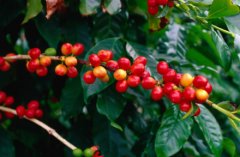
The picking of coffee beans coffee beans are the seeds of coffee trees.
Coffee beans are the seeds of coffee trees. After 3-4 years of growth, the coffee tree matures and begins to bear fruit in clusters or clusters along the branches. The outside of the seed is a layer of peel, which can be picked as soon as it turns red. Under the red skin (exocarp) there is a layer of pulp (mesocarp), which is a small thin layer, and then a layer of material endocarp like parchment. In all

Description of the Flavor of Coffee planting Environment in Tanzania introduction to the characteristics and sources of Coffee from the production region
Tanzanian coffee is mostly washed. After picking, coffee farmers will send the coffee fruit to the nearest processing plant for processing. The treatment step of the water washing method is to screen and remove the impurities in the coffee fruit, then remove the coffee pulp and exocarp, send it into the fermentation tank, and remove the pectin layer from the inner pericarp by fermentation. Clean