
"exocarp"
1261 article(s) found

The characteristics of washed coffee beans how to drink water washed coffee
Professional coffee knowledge exchange more coffee bean information Please pay attention to the coffee workshop (Wechat official account cafe_style) coffee beans are the seeds of coffee fruit, also known as coffee cherry. After removing the exocarp and pulp of the coffee fruit, you will get two coffee seeds, that is, coffee raw beans. Coffee fruit is easy to rot when ripe and picked, so it should be done in time.

Coffee pulp to make tea, is it called Cascara? What kind of tea is it? What's the effect?
Is coffee, fruit and tea called Cascara? What kind of tea is it? What's the effect? The name of today's popular mocha coffee has nothing to do with chocolate. Mocha is actually the name of a port city in Yemen. What exactly is the string of mocha? Written in English: Mocca,Mocha,Moka, the correct Arabic spelling should be Al-Mahka. Yemen is located at the end of the Arabian Peninsula, as big as Africa.

Rwanda Coffee Bean Flavor Description Grind Taste Characteristics Estate Introduction
Rwandan coffee is mostly washed. The washing method first washes and floats the ripe coffee fruit, then removes the exocarp, pulp and part of the pectin layer, then sends the coffee to the fermentation tank, ferments the remaining pectin layer and sends it to the drying field for drying treatment, so that the moisture content reaches about 13%. The coffee in the picture above is placed on the African shed for drying

Costa Rica Coffee Manor Goddess Manor Flavor introduction to the Western Valley
After picking, the coffee fruit is actually like a red cherry-shaped fruit. The coffee bean is the coffee core, wrapped by the peel, pulp and endocarp of the coffee fruit. The ripe coffee fruit should be treated immediately after picking to avoid corruption. The raw bean treatment of coffee is the process of removing the exocarp and pulp of coffee and then fermenting the seeds. Generally, it is common on the market at present.

Basic knowledge of coffee during the drying process of picking berries from coffee beans
The coffee beans we are talking about are actually the seeds of a fruit similar to cherries. Coffee trees produce berries, called coffee berries, whose bright red color means they are ripe and ready to be picked. The fruit clustered on the branches. The outer skin (exocarp) of coffee berries is thick and bitter. However, the fruit (mesocarp) inside is very sweet and has the texture of grapes. And then there's parenchyma, which is like

Fine Coffee Science explains the picking of coffee beans in detail
After 3 or 4 years of growth, the coffee tree matures and begins to bear fruit, and one fruit will be arranged in clusters or clusters along the branches. Of course, the coffee beans we see are the seeds of coffee trees. The outside of the seed is a layer of peel, which can be picked as soon as it turns red. Under the red skin (exocarp) there is a layer of pulp (mesocarp), inside is a small thin layer, and then there is a layer of parchment

Analysis on the treatment process of raw coffee beans: picking-berry treatment-drying
The coffee beans we are talking about are actually the seeds of a fruit similar to cherries. Coffee trees produce berries, called coffee berries, whose bright red color means they are ripe and ready to be picked. The fruit clustered on the branches. The outer skin (exocarp) of coffee berries is thick and bitter. However, the fruit (mesocarp) inside is very sweet and has the texture of grapes. And then there's parenchyma, which is like
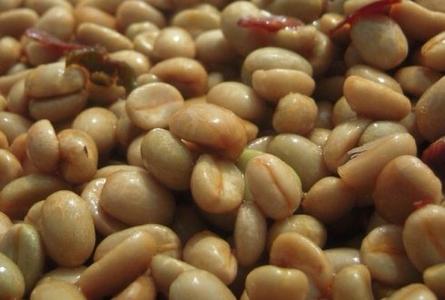
How to make coffee from newly picked coffee beans
How do newly picked coffee beans be made into Coffee Taiwan Bay Coffee blossoms every spring and produces turquoise coffee fruit after fade, which ripens for six to eight months. The color of the exocarp of coffee fruit gradually turns red, and the color changes from light red to dark red, and then to dark red. When the color of coffee peel changes to crimson and dark red, it has the best maturity and is the best time to harvest. Such as

Description of Flavor of Tanzania Coffee Bean introduction to the production area of Grinding scale Variety treatment
Tanzanian coffee is mostly washed. After picking, coffee farmers will send the coffee fruit to the nearest processing plant for processing. The treatment step of the water washing method is to screen and remove the impurities in the coffee fruit, then remove the coffee pulp and exocarp, send it into the fermentation tank, and remove the pectin layer from the inner pericarp by fermentation. Clean

Introduction to the method of taste treatment for the description of flavor of coffee beans in Tanzania
The characteristics of Tanzanian coffee beans flavor description taste treatment method Tanzanian coffee is often treated by washing, coffee farmers will send the coffee fruit to the nearest processing plant for processing. The first step of the washing method is to screen and remove the impurities in the coffee fruit, then remove the pulp and exocarp of the coffee, and send it into the fermentation tank.

Introduction to the description of taste and flavor of coffee washing, sunburn, wine and sunburn treatment
Coffee beans are the seeds of coffee fruit, which is also called coffee cherry. After removing the exocarp and pulp of the coffee fruit, you will get two coffee seeds, that is, coffee raw beans. Coffee fruit is easy to rot when ripe and picked, so it should be dealt with in time to facilitate storage and transportation. There are several methods to deal with coffee fruit, such as sun water, honey washing and so on.
The variety of coffee
The varieties of coffee beans (Coffee Bean) can be divided into three types, namely Arabica (Arabica), Robusta (Robusta) and Lubebica (Liberica)

What is the structure of coffee fruit? can you eat it? seven structural effects and functions of peeling coffee fruit layer by layer
Professional coffee knowledge exchange more coffee bean information please follow the coffee workshop (Wechat official account cafe_style) front street-coffee bean structure introduction coffee fruit has many layers from the inside out, the outermost is: coffee peel. Depending on the variety, the color of the coffee pericarp will start from the beginning with the process of maturity.
Which country is the first to discover which country coffee culture comes from and which country is Colombian?
Coffee origin which country coffee culture Tanzania coffee is mostly washed, mainly with fermented roasting and other coffee farmers will send the coffee fruit to the nearest processing plant for processing. The first step of the washing method is to screen and remove the impurities in the coffee fruit, then remove the pulp and exocarp of the coffee, and send it into the fermentation tank.
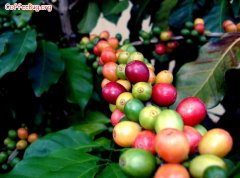
A variety of coffee, Arabica, Karobsta, Lubebeca
Coffee beans (Coffee Bean) can be divided into three types, namely Arabica-coffee contains caffeine of about 1% per cent by weight. Generally speaking, the better quality and more expensive coffee beans come from coffee beans grown by Elaraby. It accounts for 3/4 of the world's output and is of good quality, because the coffee tree itself is sensitive to heat and humidity.

Introduction to the characteristics of High-quality Coffee beans in the Manor area
Most of the coffee in Rwanda is washed. The water washing method will first wash and flotation the ripe coffee fruit, then remove the exocarp, pulp and part of the pectin layer, then send the coffee into the fermentation tank, remove the remaining pectin layer and then send it to the drying ground for drying treatment, so that the water content reaches about 13%. The coffee in the picture above is placed in an African shed to dry.

The flavor and taste of washed Rwandan coffee the characteristics of the manor producing area introduce the origin of Rwandan coffee.
Most of the coffee in Rwanda is washed. The water washing method will first wash and flotation the ripe coffee fruit, then remove the exocarp, pulp and part of the pectin layer, then send the coffee into the fermentation tank, remove the remaining pectin layer and then send it to the drying ground for drying treatment, so that the water content reaches about 13%. The coffee in the picture above is placed in an African shed to dry.

Introduction to the characteristics of Rwanda boutique coffee beans with long-lasting aroma and taste of manor
Most of the coffee in Rwanda is washed. The water washing method will first wash and flotation the ripe coffee fruit, then remove the exocarp, pulp and part of the pectin layer, then send the coffee into the fermentation tank, remove the remaining pectin layer and then send it to the drying ground for drying treatment, so that the water content reaches about 13%. The coffee in the picture above is placed in an African shed to dry.

Introduction to the characteristics of varieties in the producing area of Tanzania Coffee Flavor description treatment in Acid sense Convergence
Tanzanian coffee is mostly washed. After picking, coffee farmers will send the coffee fruit to the nearest processing plant for processing. The treatment step of the water washing method is to screen and remove the impurities in the coffee fruit, then remove the coffee pulp and exocarp, send it into the fermentation tank, and remove the pectin layer from the inner pericarp by fermentation. Clean

Coffee and its products-terminology
The national standard of the people's Republic of China Coffee and its products Vocabulary GB/T 18007 1999 terms for coffee and its products this standard specifies the most commonly used terms for coffee and its products. This standard is applicable to the formulation and revision of relevant standards and documents, as well as the preparation and translation of professional manuals, teaching materials, books and periodicals. 2 Coffee nouns and definitions 2.1 General techniques