
"exocarp"
1261 article(s) found

Coffee bean storage environment must be dry explain coffee bean preservation skills (3)
Coffee beans are fresh and green raw beans obtained by removing their red flesh, peel and silver skin from coffee cherries. The structure of coffee cherry is exocarp, pulp, endocarp, silver peel and seed from outside to inside. Coffee cherries are oval in shape. Coffee beans can be divided into round beans and flat beans, round beans refer to a coffee cherry, usually have two coffee beans, but some due to embryonic development

Introduction to the treatment process of raw coffee beans Coffee trees bear fruit several times a year
When the coffee berries are ripe, they are usually harvested by manual picking. In some places, only the fully ripe berries are picked, while others are all picked from a single branch. The former is called handpicked and the latter is called strip-picking. Because the ripening time of coffee berries is not consistent, the harvest is likely to be divided into several stages.

Tanzania Kilimanjaro Coffee Arusha Coffee Manor Kilimanjaro Mountain Fire area Coffee introduction
Tanzanian coffee is mostly washed. After picking, coffee farmers will send the coffee fruit to the nearest processing plant for processing. The treatment step of the water washing method is to screen and remove the impurities in the coffee fruit, then remove the coffee pulp and exocarp, send it into the fermentation tank, and remove the pectin layer from the inner pericarp by fermentation. Clean

Introduction of honey treatment Solarization method Introduction of honey treatment advantages
Professional coffee knowledge exchange More coffee bean information Please pay attention to coffee workshop (Weixin Official Accounts cafe_style) Peruvian coffee has been used as one of the mixed beans for comprehensive coffee stability, which is relatively low-key in the coffee world. However, as more and more people like the mellow taste of Peruvian coffee, Peruvian coffee has rapidly emerged in the international market in recent years and has repeatedly won international coffee awards.

Coffee Flavor and Taste Manor in Tanzania introduction to Arusha Coffee Manor
Tanzanian coffee is mostly washed. After picking, coffee farmers will send the coffee fruit to the nearest processing plant for processing. The treatment step of the water washing method is to screen and remove the impurities in the coffee fruit, then remove the coffee pulp and exocarp, send it into the fermentation tank, and remove the pectin layer from the inner pericarp by fermentation. Clean

Coffee Flavor and Taste Manor in Tanzania introduction to Arusha Coffee Manor
Tanzanian coffee is mostly washed. After picking, coffee farmers will send the coffee fruit to the nearest processing plant for processing. The treatment step of the water washing method is to screen and remove the impurities in the coffee fruit, then remove the coffee pulp and exocarp, send it into the fermentation tank, and remove the pectin layer from the inner pericarp by fermentation. Clean

Introduction to the Flavor and Taste of Tanzania Coffee Manor Arusha Coffee Manor
Tanzanian coffee is mostly washed. After picking, coffee farmers will send the coffee fruit to the nearest processing plant for processing. The treatment step of the water washing method is to screen and remove the impurities in the coffee fruit, then remove the coffee pulp and exocarp, send it into the fermentation tank, and remove the pectin layer from the inner pericarp by fermentation. Clean

Smooth and soft taste of Tanzanian coffee the manor area introduces Tanzanian coffee.
Tanzanian coffee is mostly washed. After picking, coffee farmers will send the coffee fruit to the nearest processing plant for processing. The treatment step of the water washing method is to screen and remove the impurities in the coffee fruit, then remove the coffee pulp and exocarp, send it into the fermentation tank, and remove the pectin layer from the inner pericarp by fermentation. Clean

Boutique Coffee Science talk about Coffee Fruit
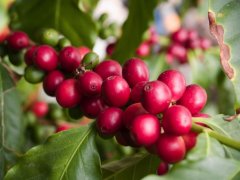
The fruit is a berry, also known as comb fruit. Oval, 9-14 mm long, young fruit green, red at maturity, purplish red. Each fruit generally has two seeds, but also one or three, showing a semi-oval, there is a longitudinal groove, called grooves. The structure of a fruit in which the exocarp consists of a thin layer of hardwood human cells with stomata; the mesocarp (that is, pulp) is large and Lignified by several layers of polygons.
The representative of neutral coffee-Brazilian coffee beans characteristics of Brazilian coffee treatment of Brazilian coffee
Professional coffee knowledge exchange more coffee bean information please follow the coffee workshop (Wechat official account cafe_style) Brazilian coffee is the world's number one coffee producer, coffee beans full particles, mild aroma and bean nature, moderate sour taste, smooth taste, is the representative of neutral coffee, individual taste or mixed with other coffee beans are an excellent choice. From

Introduction to the smooth and gentle Tanzania boutique Kilimanjaro Coffee Kilimanjaro Mountain Fire area
Tanzanian coffee is mostly washed. After picking, coffee farmers will send the coffee fruit to the nearest processing plant for processing. The treatment step of the water washing method is to screen and remove the impurities in the coffee fruit, then remove the coffee pulp and exocarp, send it into the fermentation tank, and remove the pectin layer from the inner pericarp by fermentation. Clean
A brief introduction to the processing process of High-quality Coffee beans
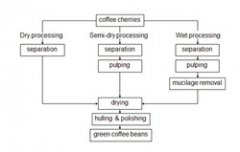
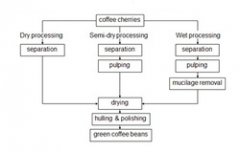
There are three main methods for processing coffee: dry, semi-dry and non-dry. The purpose of processing is to peel the coffee beans, reduce the water content of the coffee beans to a level suitable for preservation, and then deal with the coffee beans according to the market demand. Recently, the harvest of coffee has been fully spread out in Yunnan. I think it's time to pick out some of the blog posts I've posted. This
A brief introduction to the general knowledge of fine coffee the processing process of coffee beans
Recently, the harvest of coffee has been fully spread out in Yunnan. I think it's time to pick out some of the blog posts I've posted. I've been planning this for a long time. Almost a year ago, I posted a blog called "Harvest Rewards". It's about several ways to harvest coffee in this area. The coffee fruit should be peeled within 8 hours after picking, otherwise

A brief introduction to the processing process of coffee beans the transformation process of a bean
Recently, the harvest of coffee has been fully spread out in Yunnan. I think it's time to pick out some of the blog posts I've posted. I've been planning this for a long time. Almost a year ago, I posted a blog called "Harvest Rewards". It's about several ways to harvest coffee in this area. The coffee fruit should be peeled within 8 hours after picking, otherwise

Introduction to the method of describing the Flavor and Grinding degree of Tanzania Coffee
Tanzanian coffee is mostly washed. After picking, coffee farmers will send the coffee fruit to the nearest processing plant for processing. The treatment step of the water washing method is to screen and remove the impurities in the coffee fruit, then remove the coffee pulp and exocarp, send it into the fermentation tank, and remove the pectin layer from the inner pericarp by fermentation. Clean

Introduction to the flavor and taste characteristics of Kilimanjaro coffee of Tanzania boutique coffee
Tanzanian coffee is mostly washed. After picking, coffee farmers will send the coffee fruit to the nearest processing plant for processing. The treatment step of the water washing method is to screen and remove the impurities in the coffee fruit, then remove the coffee pulp and exocarp, send it into the fermentation tank, and remove the pectin layer from the inner pericarp by fermentation. Clean

Malaba Coffee from Rwanda Coffee Manor introduces boutique coffee beans
Most of the coffee in Rwanda is washed. The water washing method will first wash and flotation the ripe coffee fruit, then remove the exocarp, pulp and part of the pectin layer, then send the coffee into the fermentation tank, remove the remaining pectin layer and then send it to the drying ground for drying treatment, so that the water content reaches about 13%. The coffee in the picture above is placed in an African shed to dry.

Nicaraguan coffee flavor taste lemon tree manor Nicaraguan coffee producing area
Lemon Tree Manor also processes coffee in a honey-treated way. After the coffee fruit is actually picked, the coffee with its exocarp removed is put on the African shed to dry. Compared with the traditional way of placing coffee directly on the ground to dry coffee, using African shed to dry coffee can reduce more pollution in the drying process, avoid producing more miscellaneous smell, and finally improve the quality of coffee.

Introduction of Rwandan raw beans with bourbon seed and water washing treatment
Most of the coffee in Rwanda is washed. The water washing method will first wash and flotation the ripe coffee fruit, then remove the exocarp, pulp and part of the pectin layer, then send the coffee into the fermentation tank, remove the remaining pectin layer and then send it to the drying ground for drying treatment, so that the water content reaches about 13%. The coffee in the picture above is placed in an African shed to dry.

What are the processing methods of raw coffee beans? the characteristics of the process of coffee tanning treatment
Professional coffee knowledge exchange more information on coffee beans Please pay attention to the coffee workshop (Wechat official account cafe_style) Solar treatment (natural process) can be said to be the earliest way of handling coffee beans. After picking the coffee fruit from the fruitful coffee tree, spread it all on the ground and spread it flat, waiting for the sun to remove the water from the skin and flesh of the coffee fruit.