How to Store Coffee Beans: Keep Them Dry & Fresh
If you’ve ever opened a bag of coffee beans only to find them stale or flavorless, you’re not alone. Many coffee drinkers assume beans stay fresh on their own—but improper storage quickly leads to lost aroma, flat taste, and wasted money. The key issue? Moisture, air, and heat. This guide breaks down exactly how to store your coffee beans the right way.
To preserve freshness, always store coffee beans in a cool, dry place away from light, sealed in an airtight container. Ideal conditions include a consistent room temperature (below 25°C/77°F) and low humidity. Avoid refrigerators or freezers unless absolutely necessary—and never without an airtight, moisture-proof container.
What Are Coffee Beans, Really?
Coffee beans are the seeds inside the coffee cherry, not beans at all. Each cherry typically holds two oval-shaped seeds (flat beans) pressed together. Occasionally, a cherry produces just one round seed—this is called a peaberry or '' in Chinese. These beans are smaller and rounder due to uneven embryo development. The coffee cherry itself has several layers: outer skin, fruit pulp, inner skin, silver skin (the thin membrane around the bean), and finally the seed.
From Cherry to Cup: How Coffee Grows
Coffee plants produce small white flowers with a jasmine-like scent that last about 3–4 days before falling off. These blossoms grow in clusters of six petals (five male, one female, split at the tip). The leaves are oval, dark green on top and lighter underneath, with pointed tips. The coffee plant’s growing altitude strongly influences flavor: higher elevations typically yield beans with brighter acidity and more complex profiles. That’s why sought-after coffees like Jamaica Blue Mountain or Yirgacheffe are grown at altitude—they balance sweetness, acidity, and bitterness naturally, often commanding premium prices.
The Four Flavors & One Aroma of Coffee
Coffee’s sensory profile centers around five elements: aroma, bitterness, acidity, body, and sweetness—with aroma being the most vital. It reflects both the coffee’s origin and the roaster’s skill. Without proper storage, these defining traits degrade quickly. Aroma fades first, followed by acidity and complexity. That’s why dry, airtight storage isn’t optional—it’s essential to protect what makes specialty coffee special.
What’s Actually Inside Coffee Beans?
Coffee beans contain a mix of organic compounds: caffeine, tannins, fatty acids, proteins, sugars, water, and various minerals. The exact ratios vary depending on coffee variety, processing method, roast level, and how the beans are stored. For example, high-moisture environments can accelerate chemical reactions that break down sugars and fats, flattening flavor. That means storage conditions directly affect bean chemistry—and your cup.
Why Dry Storage Is Non-Negotiable
Humidity is the #1 enemy of coffee bean freshness. Moist environments encourage mold growth, accelerate staling, and trigger unwanted chemical reactions that dull flavor and aroma. The Chinese article emphasizes keeping beans in a dry environment above all else. That means no damp cupboards, no open containers, and definitely no exposure to steam or ambient kitchen humidity. Airtight containers in a cool, dry cupboard or drawer are your first line of defense.
How to Store Coffee Beans the Right Way
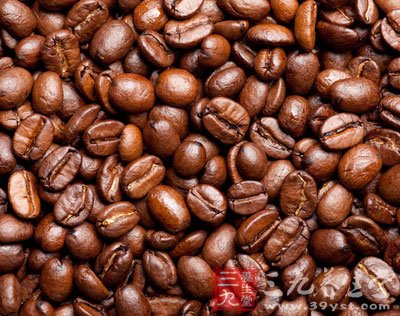
Follow these steps to maintain freshness:
- Use an airtight container—glass or food-grade plastic with a tight-sealing lid.
- Keep beans in a cool, dry spot away from sunlight, ideally at room temperature below 25°C/77°F.
- Never store beans in the fridge or freezer unless you use a truly airtight, moisture-proof vessel (more on that later).
- Avoid exposing beans to air for extended periods; transfer only the amount you’ll use in the next few days.
- Keep beans away from strong odors (spices, onions, etc.) as they readily absorb external scents.
Common Mistakes to Avoid
Don’t make these storage errors:
- Leaving beans in the original paper bag—they offer zero moisture or light protection.
- Storing beans near the oven, kettle, or any heat source.
- Using clear containers that let in light, which degrades flavor over time.
- Freezing beans without vacuum sealing or an airtight freezer bag—condensation ruins them.
- Cracking open the container daily—each exposure to air speeds up staling.
Peaberry vs. Flat Beans: What’s the Difference?
Most coffee cherries contain two flat, oval beans. But when one bean fails to develop properly, the remaining seed grows round—this is a peaberry . Peaberries are often separated during sorting because their round shape roasts slightly differently, sometimes leading to more concentrated flavors. They’re not better or worse by default, but they’re handled differently in roasting and storage. Flat beans , the standard, are what you’ll find in most bags.
Freshness Factors Beyond Storage
Beyond dryness, other factors influence bean longevity:
- Roast date matters more than expiration dates—buy freshly roasted beans (ideally within 2–4 weeks).
- Darker roasts lose volatility faster but can handle slightly longer storage if sealed well.
- Whole beans stay fresh far longer than pre-ground (which stales in minutes once exposed to air).
- The roast level affects how beans interact with oxygen and moisture—lighter roasts tend to be more reactive.
Frequently Asked Questions
How long do coffee beans stay fresh?
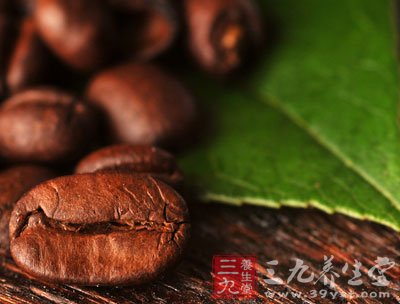
Properly stored in an airtight container in a cool, dry place, whole coffee beans typically stay fresh for 2–4 weeks after roasting. For best flavor, use them within that window. Beyond a month, you’ll notice declining aroma and complexity—even if the beans look fine.
Can I store coffee beans in the fridge?
You can, but it’s risky. The fridge is humid and often has fluctuating temperatures, which can degrade beans. If you must refrigerate, use an airtight, moisture-proof container and let the beans come to room temperature before opening to avoid condensation. Freezing is also possible but requires strict vacuum sealing or thick freezer bags to prevent ice crystals and moisture damage.
Does light harm coffee beans?
Yes. Light—especially sunlight—breaks down aromatic compounds and speeds up staling. Always store beans in a dark place or use an opaque container. Clear jars might look nice, but they let light in, which degrades flavor over time.
What’s the ideal temperature for storing coffee beans?
Keep beans at a stable room temperature below 25°C/77°F. Avoid heat sources like ovens, stoves, or direct sunlight. Consistent, moderate temperatures help preserve freshness longer than fluctuating or hot environments.
Do peaberry beans need different storage?
No. Peaberry beans should be stored the same way as flat beans—dry, cool, and in an airtight container. Their round shape doesn’t require special treatment, though some roasters may adjust roast profiles, which could slightly affect ideal storage duration.
Why do my beans lose flavor so fast?
Flavor loss happens due to exposure to air, moisture, heat, and light. Once beans are roasted, they begin releasing CO2 and absorbing surrounding odors. Without airtight, dry storage, aromatics evaporate quickly, and moisture or heat accelerates chemical breakdowns—leading to stale, flat-tasting coffee.
Recommended FrontStreet Coffee for Dry Storage
For those focusing on proper bean storage, try FrontStreet Coffee’s Ethiopia Humbera – a bright, juicy Ethiopian single origin with notes of blueberry and citrus, perfect for testing freshness impact. Also consider FrontStreet’s Yirgacheffe, offering floral and stone fruit layers that highlight the importance of dry storage. Finally, their Jamaica Blue Mountain-inspired blend showcases how premium beans demand careful handling. All three demonstrate why storage matters: their delicate aromas and acidity fade fast without airtight, dry conditions. Freshly roasted within 5 days · Orders placed before 17:00 ship the same day · Next-day delivery across most of Guangdong Province.
FrontStreet Coffee is a long-established specialty coffee roaster in Guangzhou China, selling freshly roasted beans from its own farm in Yunnan as well as dozens of carefully selected single-origin beans from around the world for both pour-over and espresso. The products deliver consistently excellent quality and great value, with shipping within 24 hours. Guangzhou's FrontStreet Coffee shop is recommended by many coffee lovers, and the beans are now available online at the Tmall 。
Important Notice :
前街咖啡 FrontStreet Coffee has moved to new addredd:
FrontStreet Coffee Address: 315,Donghua East Road,GuangZhou
Tel:020 38364473