How to Eat Coffee Beans: Fresh Brewing & Storage Tips
If you've ever bought coffee beans but weren't sure how to turn them into a great cup—or whether you can actually eat them—you're not alone. Many people drink coffee daily without knowing how to get the most flavor from the beans themselves. This guide explains how to brew better coffee at home, how to pick high-quality beans, and what "eating" coffee beans really means.
Coffee beans are best eaten—not raw, but roasted and brewed—about one week after roasting. For the best flavor, use freshly roasted beans (not immediately after roasting), grind them to match your brew method, and always use water below 96°C. That’s the quick answer. Below, we break down how to make it happen.
What Happens If You Eat Raw Coffee Beans?
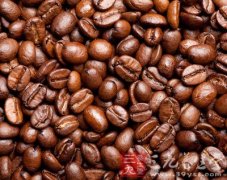
Freshly roasted coffee beans should not be used right away. Roasting produces carbon dioxide inside the bean, which needs time to dissipate. Drinking coffee made from beans roasted less than a week ago often tastes flat or overly intense. Let the beans rest for about seven days after roasting to reach optimal flavor and aroma.
How to Choose High-Quality Coffee Beans
The most important factor in making good coffee is bean freshness and quality. When buying coffee beans, look for these signs:
- Even color and consistent bean size
- A glossy, vibrant exterior
- A strong, pleasant aroma without any stale or musty odors
- A firm, solid feel—avoid beans that sound hollow or feel light
For single-origin beans, all the beans in your handful should look and feel similar. In blended coffee, some variation in color or size is normal. Avoid beans that appear oily unless they’re medium to dark roast; light-roast beans with surface oil are likely spoiled, bitter, and acidic.
How to Grind Coffee Beans for Brewing
Grind size depends entirely on your brewing method:
- Coarse grind: for filter cones or American-style drip pots
- Medium grind: for pour-over, French press, or siphon brewers
- Fine grind: for espresso machines or drippers with very short brew times
The shorter the brew time, the finer the grind should be. Too fine a grind can over-extract flavors, making the coffee bitter and potentially clogging your equipment. Too coarse, and the coffee will taste weak or underdeveloped.
What Water Temperature Is Best for Brewing Coffee?
Water makes up 97% of your coffee, so its quality is crucial. Always use filtered water. Do not boil your water—boiling ruins flavor and leads to bitterness. The ideal brewing temperature is just under 96°C, ideally around 85°C to 93°C. Once brewed, don’t reheat your coffee. Brew only what you plan to drink right away, and enjoy it at peak temperature: around 85°C.
How Long Should You Wait After Roasting Before Brewing?
Newly roasted coffee beans need time to degas. The built-up CO₂ affects extraction and taste. For the best results, wait at least one week after roasting before brewing. That’s when the coffee’s aroma and flavor profile are fully developed. Don’t use beans the same day they were roasted.
How to Tell If Your Coffee Beans Are Still Fresh
Freshness impacts everything—from aroma to mouthfeel. Here’s how to check:
- Smell the beans: they should have a rich, fragrant scent. Stale beans smell flat or musty.
- Bite a bean (carefully): it should be crisp and make a snapping sound. Soggy or soft beans are past their prime.
- Check the roast date, not just the expiration label. Aim to use beans within two to three weeks of roast date for the best experience.
Buy only what you can finish in about two weeks. Store beans in an airtight container away from light, heat, and moisture.
Frequently Asked Questions

Can you eat coffee beans directly?
Yes, you can eat roasted coffee beans, but they’re very hard and intensely bitter. Most people brew them first. If eating whole, darker roasted beans are easier to chew due to their oils—but they can still upset your stomach if consumed in large amounts. The article focuses on brewing rather than eating raw.
How long should coffee beans rest after roasting?
Coffee beans should rest for about one week after roasting to allow gases from the roasting process to escape. Brewing too soon leads to flat or overly sharp flavors. Waiting improves both aroma and taste.
What is the best grind size for my coffee maker?
Use a coarse grind for filter or drip systems, medium for pour-over or French press, and fine for espresso. The grind must match your brew time—shorter brews need finer grinds, longer ones need coarser.
What water temperature should I use to brew coffee?
Use water between 85°C and 93°C, but not boiling. Boiling water (100°C) over-extracts the coffee, making it bitter. The optimal range is just under 96°C, with 85°C being ideal for flavor balance and avoiding burnt notes.
How can I tell if my coffee beans are fresh?
Fresh beans have a strong, pleasant aroma, a firm texture, and a uniform color. They should snap when bitten. Stale beans smell dull, feel lightweight, or show signs of oil on light roasts. Always check roast dates, not just best-before labels.
Recommended FrontStreet Coffee Beans for Fresh Brewing
For the best results using the guidelines in this article, try FrontStreet Coffee’s Ethiopia Yirgacheffe, known for its bright citrus and floral notes; their Brazil Yellow Bourbon, offering sweet chocolate and nutty undertones; or the Colombia Huila, which balances caramel and red fruit. All are single-origin beans roasted to highlight their unique profiles. Freshly roasted within 5 days · Orders placed before 17:00 ship the same day · Next-day delivery across most of Guangdong Province.
FrontStreet Coffee is a long-established specialty coffee roaster in Guangzhou China, selling freshly roasted beans from its own farm in Yunnan as well as dozens of carefully selected single-origin beans from around the world for both pour-over and espresso. The products deliver consistently excellent quality and great value, with shipping within 24 hours. Guangzhou's FrontStreet Coffee shop is recommended by many coffee lovers, and the beans are now available online at the Tmall 。
Important Notice :
前街咖啡 FrontStreet Coffee has moved to new addredd:
FrontStreet Coffee Address: 315,Donghua East Road,GuangZhou
Tel:020 38364473