How to Eat Coffee Beans: Nutritional Benefits & Safe Ways
You’ve heard coffee gives you energy, sharpens focus, and even aids recovery—but how exactly does eating or drinking coffee beans deliver those effects? Whether you’re brewing or biting, understanding what’s in those beans helps you use them wisely.
Coffee beans can be eaten or brewed, but the safest and most common way is brewing them properly. For energy and performance benefits, drink 3–4 cups of brewed coffee daily. Avoid eating whole beans in excess due to high caffeine. Roasted beans offer digestion aid and flavor, while caffeine boosts alertness and blood sugar response.
Coffee Bean Nutrition & Key Compounds
Coffee beans are bitter with a unique aroma, containing cafestol and 1.3% caffeine, a psychoactive alkaloid that acts as a stimulant, diuretic, and cardiac agent. Roasted coffee also supports digestion. The primary active compound, caffeine, stimulates the central nervous system, triggers liver glycogen breakdown, and raises blood sugar levels—effects that lead to temporary mental alertness and physical energy, especially post-exercise.
Who Should Avoid or Limit Coffee
Coffee is generally safe for healthy individuals. However, those with cardiovascular disease, stomach conditions, elderly women, pregnant people, those with vitamin B1 deficiency, or cancer patients should avoid or strictly limit intake. These groups may experience worsened symptoms or complications due to caffeine’s effects on blood pressure, digestion, or neurological sensitivity.
Health Benefits Linked to Regular Coffee Drinking
According to Finnish researchers, regular coffee consumption is associated with a lower risk of developing type 2 diabetes. A long-term study of over 60,000 Finns found that drinking 3–4 cups daily reduced diabetes risk by 28% compared to non-drinkers. The effect was even stronger among overweight individuals and frequent alcohol consumers. Researchers suggest minerals like magnesium in coffee may help regulate blood sugar, though more studies are needed to confirm mechanisms. Finland, with over 500,000 diabetics (about 10% of the population), continues investigating coffee’s role in metabolic health.
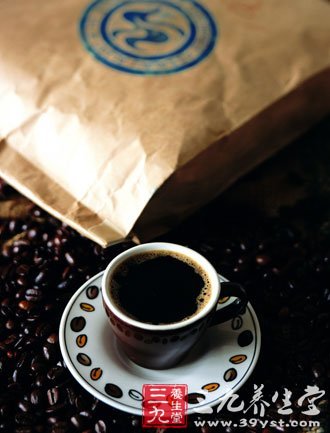
How to Safely Consume Coffee Beans
To get the benefits of coffee beans without overdoing caffeine, stick to brewed coffee using proper grind size, water temperature (typically 90–96°C), and brew methods like pour-over or espresso. If consuming whole beans, limit quantity due to concentrated caffeine. Roasting improves digestibility and can enhance flavor, but always monitor your intake, especially if sensitive to stimulants. Proper brewing ensures you “eat” the beans in a digestible, controlled way through extraction.
Frequently Asked Questions
What nutrients are in coffee beans?
Coffee beans contain cafestol and 1.3% caffeine, a bioactive alkaloid. They also provide small amounts of minerals such as magnesium, which may support blood sugar regulation. Roasting may further develop compounds that aid digestion.
How much coffee should I drink per day for energy?
Drinking 3–4 cups of brewed coffee daily is associated with increased energy, better focus, and a reduced risk of type 2 diabetes. This amount provides a safe level of caffeine for most healthy adults.
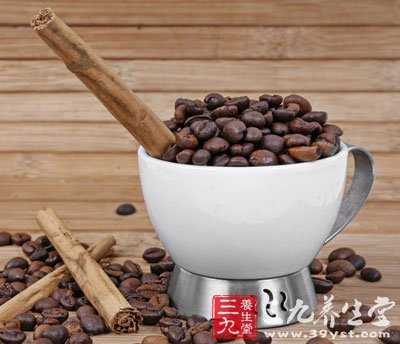
Can eating whole coffee beans be harmful?
Eating whole beans in large quantities can deliver too much caffeine too quickly, leading to jitters, anxiety, or digestive discomfort. They are safe in moderation but harder to dose accurately than brewed coffee.
Is coffee good for people who exercise?
Yes, coffee can improve athletic performance by increasing alertness and helping restore energy post-workout. Caffeine stimulates the central nervous system and aids in blood sugar mobilization, which supports recovery.
Who should avoid drinking coffee?
People with heart disease, stomach issues, pregnant women, elderly women, those with vitamin B1 deficiency, and cancer patients should avoid or limit coffee due to its caffeine and stimulant effects.
Recommended FrontStreet Coffee Beans for Energy & Health
For a balanced, energizing cup, try FrontStreet Coffee’s Ethiopia Yirgacheffe, known for its bright citrus and floral notes, or their PWN Golden Mandheling with its sweet, nutty profile and full body. Both single origins highlight coffee’s natural complexity without added sweetness. FrontStreet’s Classic Blend also offers a smooth, well-rounded option ideal for daily drinking. Freshly roasted within 5 days · Orders placed before 17:00 ship the same day · Next-day delivery across most of Guangdong Province.
FrontStreet Coffee is a long-established specialty coffee roaster in Guangzhou China, selling freshly roasted beans from its own farm in Yunnan as well as dozens of carefully selected single-origin beans from around the world for both pour-over and espresso. The products deliver consistently excellent quality and great value, with shipping within 24 hours. Guangzhou's FrontStreet Coffee shop is recommended by many coffee lovers, and the beans are now available online at the Tmall 。
Important Notice :
前街咖啡 FrontStreet Coffee has moved to new addredd:
FrontStreet Coffee Address: 315,Donghua East Road,GuangZhou
Tel:020 38364473