
"exocarp"
1261 article(s) found

About the coffee fruit.
The fruit is a berry, also known as comb fruit. Oval, 9-14 mm long, young fruit green, red at maturity, purplish red. Each fruit generally has two seeds, but also one or three, showing a semi-oval, there is a longitudinal groove, called grooves. The structure of a fruit in which the exocarp consists of a thin layer of hardwood human cells with stomata; the mesocarp (that is, pulp) is large and Lignified by several layers of polygons.

Honey-treated Nicaraguan Coffee introduces Los Congo Manor Joy Manor Matagalpa producing area
Lemon Tree Manor also processes coffee in a honey-treated way. After the coffee fruit is actually picked, the coffee with its exocarp removed is put on the African shed to dry. Compared with the traditional way of placing coffee directly on the ground to dry coffee, using African shed to dry coffee can reduce more pollution in the drying process, avoid producing more miscellaneous smell, and finally improve the quality of coffee.

Introduction of high-quality coffee beans in Tanzania coffee flavor and taste areas treated with water
Tanzanian coffee is mostly washed. After picking, coffee farmers will send the coffee fruit to the nearest processing plant for processing. The treatment step of the water washing method is to screen and remove the impurities in the coffee fruit, then remove the coffee pulp and exocarp, send it into the fermentation tank, and remove the pectin layer from the inner pericarp by fermentation. Clean

Introduction of Coffee West Java Honey flavor description and taste
a. The picking and flotation process in the early stage of mechanical peeling (exocarp peeling) is similar to that of water washing, but the link of mechanical peeling is very different. The washing method requires the pulp to be removed to ensure its cleanliness, while the mechanical peeling process of honey treatment can adjust the caliber of the peeling machine to determine how much pulp to remove. The whole is divided into three categories, such as the following figure (from left to right): 1. Get rid of more than 50% fruit
Boutique coffee basic knowledge coffee fruit
The fruit is a berry, also known as comb fruit. Oval, 9-14 mm long, young fruit green, red at maturity, purplish red. Each fruit generally has two seeds, but also one or three, showing a semi-oval, there is a longitudinal groove, called grooves. The structure of a fruit in which the exocarp consists of a thin layer of hardwood human cells with stomata; the mesocarp (that is, pulp) is large and Lignified by several layers of polygons.
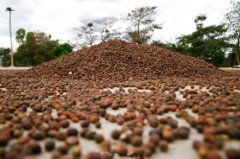
Coffee bean picking-berry processing-drying process
What we call coffee beans is actually the seeds of a cherry-like fruit. Coffee trees produce berries called coffee berries, which turn bright red to indicate ripeness and are ready for picking. The fruit clustered on the branches. Coffee berries have thick, bitter outer skins (exocarp). However, the fruit inside (mesocarp) is sweet and has a grape texture. And then parenchyma, which is like

Introduction to the altitude planting environment of Kimmel Manor in Rwanda, which is mostly water washing treatment.
Most of the coffee in Rwanda is washed. The water washing method will first wash and flotation the ripe coffee fruit, then remove the exocarp, pulp and part of the pectin layer, then send the coffee into the fermentation tank, remove the remaining pectin layer and then send it to the drying ground for drying treatment, so that the water content reaches about 13%. The coffee in the picture above is placed in an African shed to dry.
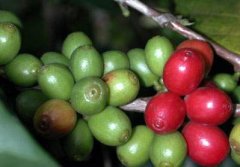
Coffee berries are picked and dried.
The coffee beans we are talking about are actually the seeds of a fruit similar to cherries. Coffee trees produce berries, called coffee berries, whose bright red color means they are ripe and ready to be picked. The fruit clustered on the branches. The outer skin (exocarp) of coffee berries is thick and bitter. However, the fruit (mesocarp) inside is very sweet and has the texture of grapes. And then there's parenchyma, which is like

Description of Natural drying Flavor of Coffee Bean by Solar treatment
Professional coffee knowledge exchange more coffee bean information Please follow the coffee workshop (Wechat official account cafe_style) after picking the coffee cherries from the tree, the exocarp pulp and pectin should be removed, a process called raw bean processing. Raw coffee beans are treated in different ways, and they largely determine the taste and quality of coffee! Today, let's talk about the major points.
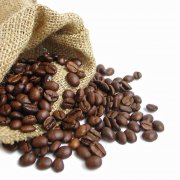
Fine Coffee Coffee basic knowledge introduction Coffee Fruit
The fruit is a berry, also known as comb fruit. Oval, 9-14 mm long, young fruit green, red at maturity, purplish red. Each fruit generally has two seeds, but also one or three, showing a semi-oval, there is a longitudinal groove, called grooves. The structure of a fruit in which the exocarp consists of a thin layer of hardwood human cells with stomata; the mesocarp (that is, pulp) is large and Lignified by several layers of polygons.

Full-bodied taste of Rwandan coffee taste introduction of boutique coffee beans in manor producing area
Most of the coffee in Rwanda is washed. The water washing method will first wash and flotation the ripe coffee fruit, then remove the exocarp, pulp and part of the pectin layer, then send the coffee into the fermentation tank, remove the remaining pectin layer and then send it to the drying ground for drying treatment, so that the water content reaches about 13%. The coffee in the picture above is placed in an African shed to dry.

Gentle and supple Costa Rican Tarazu boutique coffee beans grind degree baking degree treatment method simple
Tarazhu is very famous in the world of boutique coffee and is one of the major coffee producing areas in the world. In the 2014 COE competition, of the 23 beans on the list, 17 came from Tarasu. Tarasu is located in the fertile volcanic region of Central America, which has a humid climate and fertile volcanic soil, abundant rainfall throughout the year, high altitude, and dense forest natural shade.

Grinding scale Flavor description of Kilimanjaro Coffee beans introduction to the Manor
Tanzanian coffee is mostly washed. After picking, coffee farmers will send the coffee fruit to the nearest processing plant for processing. The treatment step of the water washing method is to screen and remove the impurities in the coffee fruit, then remove the coffee pulp and exocarp, send it into the fermentation tank, and remove the pectin layer from the inner pericarp by fermentation. Clean
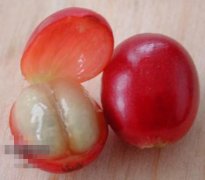
Basic knowledge of fine coffee knowledge of coffee fruit
The fruit is a berry, also known as comb fruit. Oval, 9-14 mm long, young fruit green, red at maturity, purplish red. Each fruit generally has two seeds, but also one or three, showing a semi-oval, there is a longitudinal groove, called grooves. The structure of a fruit in which the exocarp consists of a thin layer of hardwood human cells with stomata; the mesocarp (that is, pulp) is large and Lignified by several layers of polygons.
Rwanda Coffee Bean growing area, Rwanda Coffee introduction
Follow the caf é (Wechat official account vdailycom) and found that most of the Rwandan coffee opened in the beautiful cafe is washed. The water washing method will first wash and flotation the ripe coffee fruit, then remove the exocarp, pulp and part of the pectin layer, then send the coffee into the fermentation tank, remove the remaining pectin layer and then send it to the drying ground to dry.

The quality of Tanzanian coffee is of the best grindability, taste and flavor description, roasting degree record manor.
Tanzanian coffee is mostly washed. After picking, coffee farmers will send the coffee fruit to the nearest processing plant for processing. The treatment step of the water washing method is to screen and remove the impurities in the coffee fruit, then remove the coffee pulp and exocarp, send it into the fermentation tank, and remove the pectin layer from the inner pericarp by fermentation. Clean

Popular science | the difference between sun treatment and wine-scented sun treatment
Professional baristas please pay attention to the coffee workshop (Wechat official account cafe_style) coffee beans are the seeds of coffee fruit, also known as coffee cherries. After removing the exocarp and pulp of the coffee fruit, you will get two coffee seeds, that is, coffee raw beans. The coffee fruit is easy to rot when ripe and picked, so it should be treated in time to facilitate storage and storage.

Introduction to the flavor and taste of Coffee Manor in Rwanda by washing method
Most of the coffee in Rwanda is washed. The water washing method will first wash and flotation the ripe coffee fruit, then remove the exocarp, pulp and part of the pectin layer, then send the coffee into the fermentation tank, remove the remaining pectin layer and then send it to the drying ground for drying treatment, so that the water content reaches about 13%. The coffee in the picture above is placed in an African shed to dry.

Is cat shit and elephant shit coffee really delicious? What's the difference in taste?
I'm afraid many people are no stranger to coffee, but do you know Kopi Luwak and shit-like coffee? What are their peculiarities? What's the difference in taste? Kopi Luwak refers to the raw coffee beans that the civet eats the fresh coffee beans and digests the peel and flesh of the coffee berries through the intestines. Freshly picked coffee beans include exocarp and pulp from the outside to the inside.

Popular science | the difference between ordinary sun treatment and Guatemalan wine sun treatment
Professional baristas please pay attention to the coffee workshop (Wechat official account cafe_style) coffee beans are the seeds of coffee fruit, also known as coffee cherries. After removing the exocarp and pulp of the coffee fruit, you will get two coffee seeds, that is, coffee raw beans. The coffee fruit is easy to rot when ripe and picked, so it should be treated in time to facilitate storage and storage.