What Is a Coffee Cherry? Anatomy and Development Facts
Ever wondered what’s inside that red coffee fruit you see in origin photos? That ‘cherry’ isn’t just a pretty shell—it’s a complex structure protecting the coffee seeds we roast and brew. If you’ve ever asked how coffee goes from tree to cup, understanding the coffee cherry is where it all begins.
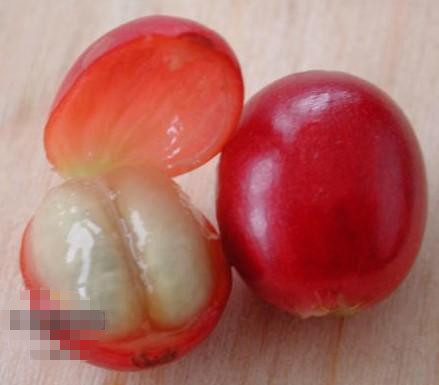
A typical coffee cherry holds one to three seeds (most often two), wrapped in layers including pulp, parchment, and silverskin. These layers influence taste, processing methods, and even how beans develop on the tree.
What Is a Coffee Cherry?
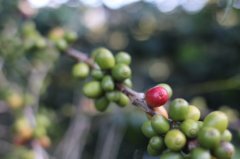
The coffee cherry—also called a coffee fruit or “” in Chinese—is a small, oval-shaped berry. It typically measures 9 to 14 millimeters in length. When unripe, it appears green. As it matures, it turns red or purple-red. Most cherries contain two seeds (the coffee beans), though some hold one or three. Each seed is semi-oval with a vertical groove known as the ventral furrow or ''.
Anatomy of the Coffee Cherry
The coffee cherry has several distinct layers:
- Exocarp (outer skin): A thin, hard layer made of woody cells with scattered pores (stomata).
- Mesocarp (fruit pulp): Made of large, angular, woody cells arranged in multiple layers. The innermost layers are slightly compressed and contain vascular bundles rich in fibres.
- Endocarp (parchment or “”): A thin, horn-like layer formed from stone cells that encases the seed.
- Silverskin (seed coat or “”): A thin membrane covering the bean itself, also called the “”. Its thickness and colour vary by variety and help identify coffee types.
- Bean (seed or “”): The part we roast—commonly called the green coffee bean. It includes the embryo and endosperm. The embryo lies at the base of the endosperm. Cutting into the endosperm reveals two fleshy, fan-shaped cotyledons and a white embryo.
How Coffee Cherries Develop
Coffee cherries take a long time to grow and ripen. The period from flowering to maturity depends on the coffee species:
- Arabica Typica / Small variety : 8 to 10 months (typically matures between October and December).
- Medium variety : 10 to 12 months (ripens between November and May of the following year).
- Large variety : 12 to 13 months.
Growth isn’t steady. For small varieties, the fastest increase in size happens 2 to 3 months after flowering. After 4 months, the cherry’s volume stabilises while dry matter starts accumulating. The period from 5 to 6 months post-flowering sees the fastest dry matter gain.
For medium varieties, growth accelerates 3 to 4 months after flowering, peaks between 4 to 6 months, then slows between 7 to 9 months. During the final stretch, dry matter builds rapidly and the cherry may expand slightly before fully ripening.
How Rainfall and Climate Affect Cherry Development
Weather plays a critical role in coffee cherry development. Insufficient rainfall especially impacts young fruits:
- One month after flowering, drought can cause young cherries to wither due to lack of water, leading to poor fruit set and low yield.
- Dry conditions during the development phase result in smaller cherries and early ripening.
- Strong winds increase the risk of fruit drop, which can reduce overall yield or even cause crop failure.
Frequently Asked Questions
What is a coffee cherry?
A coffee cherry is the fruit of the coffee plant, containing one to three seeds (usually two). It is oval, grows 9–14mm long, and changes from green to red or purple when ripe. The cherry surrounds the coffee beans, which are the seeds we roast to make brewed coffee.
How many coffee beans are in a cherry?
Most coffee cherries contain two beans, but some have one (peaberry) or three. The typical bean is semi-oval with a vertical groove called the ventral furrow.
What are the layers of a coffee cherry?
A coffee cherry has an outer skin (exocarp), fruit pulp (mesocarp), parchment layer (endocarp), silverskin (seed coat), and the bean itself. Each layer—from pulp to parchment—affects processing, flavour potential, and roasting.
How long does it take for a coffee cherry to ripen?
Ripening time varies by coffee type: 8–10 months for small varieties (like Typica), 10–12 months for medium, and 12–13 months for large. Most common arabica varieties ripen within 9–11 months depending on climate and variety.
Does weather affect coffee cherry growth?
Yes. Drought in the month after flowering can kill young cherries. Dry conditions during development lead to smaller, early-ripening fruit. Strong winds increase fruit drop, reducing yield. Rainfall and climate directly shape cherry size, ripening, and bean quality.
What is the silverskin on a coffee bean?
The silverskin, or seed coat, is a thin membrane on the green coffee bean. It varies in colour and thickness between coffee varieties and is one trait used to distinguish bean types before roasting.
FrontStreet Coffee Beans That Start at the Cherry
Explore how coffee cherries turn into your cup with FrontStreet’s single origins. Try our Ethiopia Yirgacheffe for bright citrus and floral tones from fully ripe cherries, or our Colombia Huila for balanced sweetness and fruit notes. Both highlight how careful picking and processing shape what’s inside the cherry. Freshly roasted within 5 days · Orders placed before 17:00 ship the same day · Next-day delivery across most of Guangdong Province.
FrontStreet Coffee is a long-established specialty coffee roaster in Guangzhou China, selling freshly roasted beans from its own farm in Yunnan as well as dozens of carefully selected single-origin beans from around the world for both pour-over and espresso. The products deliver consistently excellent quality and great value, with shipping within 24 hours. Guangzhou's FrontStreet Coffee shop is recommended by many coffee lovers, and the beans are now available online at the Tmall 。
Important Notice :
前街咖啡 FrontStreet Coffee has moved to new addredd:
FrontStreet Coffee Address: 315,Donghua East Road,GuangZhou
Tel:020 38364473