How Coffee Beans Are Processed: From Cherry to Green Bean
When you sip your morning espresso, you’re tasting the end result of a tightly controlled transformation—from ripe fruit to clean, dry green bean. But how does a coffee cherry become the bean that ends up in your grinder? That journey starts the moment the fruit is picked, and the first eight hours are critical.
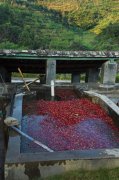
Coffee processing converts the coffee cherry into a stable green bean through a series of steps that typically take place within eight hours of harvest. The three main methods—natural, washed (or fully washed), and honey (or semi-washed)—all aim to remove the fruit layers while managing moisture and fermentation. In Yunnan, the washed method is standard practice.
What Is a Coffee Cherry Made Of?
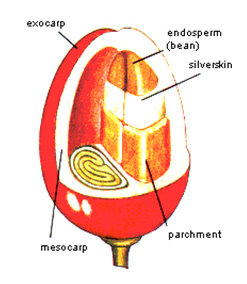
A coffee cherry is more than just the bean inside. When ripe, it turns red or yellow and consists of an outer skin (exocarp), a sweet, sticky layer of pulp (mesocarp with mucilage), and an inner barrier protecting the two coffee seeds (endocarp and silverskin), each encased in a parchment-like husk. Each cherry usually holds two beans. Processing systematically removes each of these layers until only the green bean remains.
Why Processing Matters Sooner Rather Than Later
The moment coffee is harvested, time is against you. If the coffee cherry isn’t depulped within roughly eight hours, unwanted fermentation can set in, damaging cup quality. That’s why regions like Yunnan work quickly to begin processing immediately after picking. Speed here preserves the delicate flavours locked in the bean.
The Three Main Coffee Processing Methods
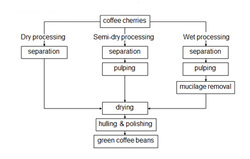
All processing methods follow the same goal: remove the fruit and dry the bean to a safe moisture level for storage and roasting. The difference lies in how they handle the cherry’s layers and mucilage:
- Natural (Dry) Process: The entire coffee cherry is dried intact, then the dried husk is removed to reveal the bean. Common in regions with little water.
- Washed (Fully Washed) Process: The outer skin and pulp are removed first. Then the sticky mucilage is broken down via fermentation (or mechanical removal), followed by washing and drying. This is the standard method used in Yunnan.
- Honey (Semi-Washed / Pulped Natural) Process: The skin and pulp are removed, but some or all of the mucilage is left on the beans during drying. Yields sweeter, fruitier profiles.
Step-by-Step: Washed Coffee Processing in Yunnan
Here’s how the washed process—Yunnan’s go-to—turns a coffee cherry into a green bean:
- Depulping: Within hours of harvest, machines remove the outer skin and most of the fruit pulp, exposing the sticky mucilage-covered beans.
- Fermentation: The beans sit in tanks to break down the mucilage enzymatically (or are scrubbed mechanically). This step can take anywhere from a few hours to a full day depending on conditions.
- Washing: The beans are rinsed thoroughly to remove any remaining mucilage.
- Drying: Beans are spread out on patios or raised beds and dried to a moisture content of around 11–12%, a critical threshold for storage stability.
- Hulling: Once dried, the beans are hulled to remove the parchment layer. Optional polishing may follow to remove any remaining silverskin.
- Sorting & Grading: The dried green beans are sorted by size and density, and defects are removed. The finished product is the green coffee you roast.
From Harvest to Cup: What Determines Quality?
Quality in processed coffee depends on precision at every stage: how quickly the cherry is depulped, how cleanly the mucilage is removed, how evenly and safely the beans are dried, and how carefully they’re sorted. Even slight missteps in timing or technique can lead to mould, off-flavours, or a ruined batch. That’s why experienced producers and mills follow strict protocols—and why processing method is a major factor in a coffee’s final profile.
Frequently Asked Questions
How soon after picking should coffee cherries be processed?
Coffee cherries should be depulped within around eight hours of harvest to avoid negative fermentation and maintain cup quality. Delays risk spoilage and unwanted flavours in the green bean.
What are the three main coffee processing methods?
The three main methods are: natural (dry), where the whole cherry is dried; washed (fully washed), where the skin, pulp, and mucilage are removed before drying; and honey (semi-washed), where some mucilage remains on the bean during drying. Yunnan primarily uses the washed method.
What is removed during coffee processing?
Processing removes the coffee cherry’s outer skin, pulp, mucilage, parchment layer, and silverskin, leaving only the green coffee bean. Each layer is removed through depulping, fermentation, washing, drying, hulling, and polishing.
Why is drying coffee beans to 11–12% moisture important?
Drying to 11–12% moisture ensures the beans are stable for storage and transport, preventing mould and degradation before roasting. It’s a critical step in preserving quality.
Does processing method affect coffee flavour?
Yes. The processing method—natural, washed, or honey—heavily influences the final flavour profile. Washed coffees tend to be cleaner and brighter, naturals fruitier and heavier, and honeys sweeter and more syrupy.
What happens to the coffee bean after processing?
After processing, the green bean is sorted, graded, and exported. It is then roasted—which develops its final flavour—before being brewed. The processed green bean is what most specialty roasters and consumers purchase.
FrontStreet Coffee Beans That Highlight Processing Methods
Explore how processing shapes flavour with FrontStreet’s Ethiopia Humbera (washed, floral and citrus), Kenya Little Tomato (washed, bright and complex), and Panama Humbera (honey, sweet and juicy). Each shows how technique impacts your cup. Freshly roasted within 5 days · Orders placed before 17:00 ship the same day · Next-day delivery across most of Guangdong Province.
FrontStreet Coffee is a long-established specialty coffee roaster in Guangzhou China, selling freshly roasted beans from its own farm in Yunnan as well as dozens of carefully selected single-origin beans from around the world for both pour-over and espresso. The products deliver consistently excellent quality and great value, with shipping within 24 hours. Guangzhou's FrontStreet Coffee shop is recommended by many coffee lovers, and the beans are now available online at the Tmall 。
Important Notice :
前街咖啡 FrontStreet Coffee has moved to new addredd:
FrontStreet Coffee Address: 315,Donghua East Road,GuangZhou
Tel:020 38364473