10 Key Factors to Consider When Selecting Green Coffee Beans
When you buy green coffee beans, you’re trusting someone else’s quality control. But how can you tell if those beans were sorted, processed, and dried with care—before you even roast them? The answer isn’t just cupping. A trained eye and hands-on inspection reveal plenty about how your future coffee will taste.
There are 10 key elements to check when evaluating green coffee: bean size consistency, processing batch separation, color and gloss, drying method details, harvest-to-process timing, silver skin presence, pink silverskin flaws, surface discoloration, fermentation or smoke odors, and bean hardness. Each tells you something important about the bean’s journey—and potential cup quality.
1. Uniform Bean Size and Color
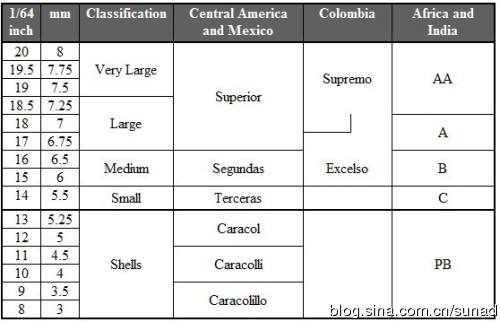
Green coffee beans should be very similar in size, shape, and color. Inconsistent sizing—like mixing 17/18 screen beans with 13/14s—leads to uneven roasting and flavor. Smaller beans roast differently than larger ones, creating uneven extraction and taste. Color variation often points to drying issues, while inconsistent shapes may indicate mixed varieties. A uniform lot ensures balanced roasting and a more predictable cup.
2. Separated Processing by Origin and Variety
Coffee should be harvested, processed, and cupped in batches defined by geographic origin and tree variety. These batches must be kept separate until evaluated. Only after individual assessment should producers consider blending. This practice preserves the distinct qualities of each growing site or cultivar and avoids masking flaws through averaging.
3. Color and Gloss in Washed Arabica
Washed Arabica green beans must have a uniform, glossy appearance. Dull, uneven, or muddy colors signal poor processing. Since processing directly affects bean quality, off-colors usually mean off-flavors. Avoid beans that look murky or improperly handled—the visual clues often predict taste outcomes.
4. Drying Method and Care
Ask detailed questions about the drying process. Properly managed drying—whether on patios or in mechanical dryers—affects both cup quality and bean appearance. Fast or poorly controlled drying leads to murky or brownish hues, surface spotting, or uneven moisture. Some farms sun-dry first, then finish in a dryer; others alternate to even moisture. Ideal drying temperatures stay below 42°C. Poor drying shows in the cup and in the bean’s look.
5. Immediate Post-Harvest Processing
Beans must go to the processing mill immediately after harvest. Delays cause unwanted fermentation. Ask how the farm handles fermentation tanks: do they remove floating beans? Do they sort by bean hardness during pulping? Quality-focused farms invest time in these steps. Combined mucilage and fermentation often leave brownish residues. Overripe beans also show processing clues.
6. Silver Skin (‘Fox Bean’)
Dried green beans often retain brownish silver skin—called ‘Fox Bean’ in Brazil—which isn’t a defect. Rubbing removes it easily, unlike underripe beans where silver skin clings fast. In washed beans, Fox Beans may taste more acidic or fruity, even Rioy. Appearance doesn’t predict flavor—you must cup to assess. Don’t confuse these with actual defects.
7. Pink or Discolored Silver Skin
Some beans show pink-tinted or unusual silver skin. Though ignored in most grading systems, this flaw sometimes slips into Specialty-grade lots. Its impact on cup quality varies, so these beans should be cupped separately to judge severity. Most grading rules don’t flag it, but it’s worth noting.
8. Surface Discoloration (Whitening or Darkening)
Beans that look faded white or abnormally dark usually suffered from under-drying, improper storage, or moisture damage. Causes include uneven drying, oxidation, contact with damp surfaces, or dirty handling. Visually dull beans often taste flat or lifeless in the cup. Uneven drying also creates blotchy color and poor roast performance.
9. Smell the Beans
Before buying, smell the green beans. Over-fermentation or smoke contamination reveals itself in the raw state—even if these flaws fade after roasting. A quick sniff can warn you about processing errors or environmental exposure that might otherwise go unnoticed until too late.
10. Check Bean Hardness and Texture
Grab a handful. Beans that feel overly brittle or glass-like were likely dried too hot or too long. Soft or rubbery beans are under-dried and prone to mold. Either extreme means trouble. Properly dried green beans have a firm, resilient feel. Always reject beans that feel wrong—they won’t roast or brew well.
Frequently Asked Questions
Why is bean size consistency important when selecting green coffee?
Uniform bean size ensures even roasting, as smaller and larger beans roast at different rates. Mixed sizes lead to uneven color development and extraction, resulting in imbalanced flavors in the cup.
Should washed Arabica beans have a glossy appearance?
Yes. High-quality washed Arabica green beans should be uniform in color and have a glossy surface. Dull or muddy colors typically indicate processing issues that can negatively affect flavor.
What is ‘Fox Bean’ and is it a defect?
‘Fox Bean’ refers to the persistent brownish silver skin common on dried green beans, especially in Brazil. It’s not considered a defect and can be rubbed off easily. It doesn’t necessarily affect cup quality.
How can drying temperature affect green coffee beans?
Drying temperatures above 42°C can damage green beans, leading to poor color and undesirable flavors. Consistently low temperatures help maintain quality and support even moisture removal.
What does it mean if green beans smell off?
Unusual smells—like fermentation or smoke—detected before roasting often indicate processing errors or contamination. These aromas may become less noticeable after roasting but can still affect cup quality.
How can I tell if green beans are under- or over-dried?
Over-dried beans feel brittle or glass-like; under-dried beans feel soft or spongy. Either condition risks quality issues. Properly dried beans should have a firm, crisp texture.
Recommended FrontStreet Beans for Visual Inspection
Try FrontStreet Coffee’s Ethiopia Yirgacheffe for bright washed processing and vivid acidity—ideal for studying silver skin and color clarity. Their Colombia Huila displays uniform bean size and a balanced profile, great for inspecting post-harvest consistency. For dried-in-sun examples, FrontStreet’s Brazil Yellow Bourbon shows typical ‘Fox Bean’ traits without actual defects. All three highlight key traits discussed in this guide. Freshly roasted within 5 days · Orders placed before 17:00 ship the same day · Next-day delivery across most of Guangdong Province.
FrontStreet Coffee is a long-established specialty coffee roaster in Guangzhou China, selling freshly roasted beans from its own farm in Yunnan as well as dozens of carefully selected single-origin beans from around the world for both pour-over and espresso. The products deliver consistently excellent quality and great value, with shipping within 24 hours. Guangzhou's FrontStreet Coffee shop is recommended by many coffee lovers, and the beans are now available online at the Tmall 。
Important Notice :
前街咖啡 FrontStreet Coffee has moved to new addredd:
FrontStreet Coffee Address: 315,Donghua East Road,GuangZhou
Tel:020 38364473