
"hectares"
14003 article(s) found
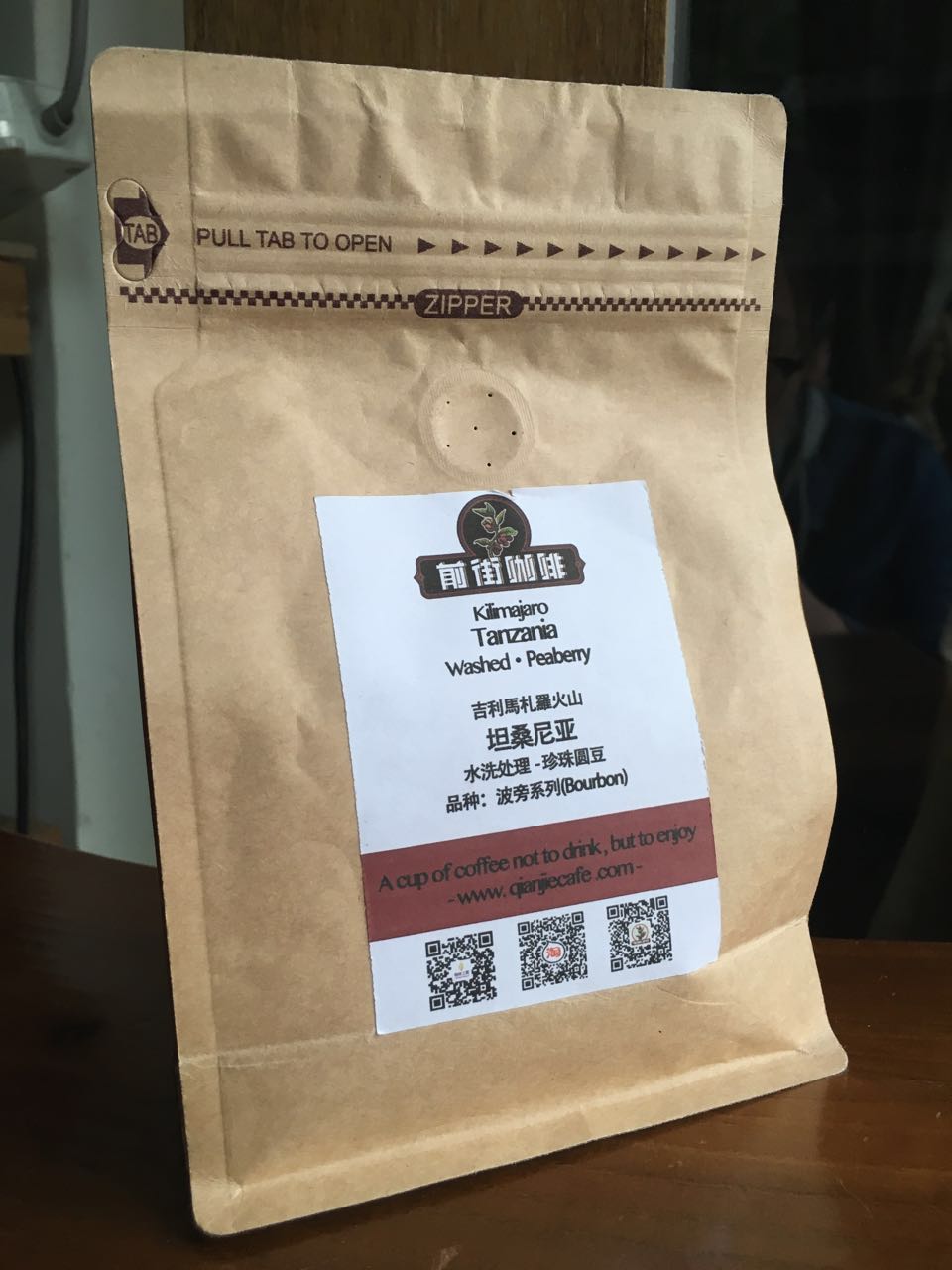
Characteristics of Guatemalan coffee beans cultural boutique coffee of Guatemalan coffee beans
Coffee production in Guatemala has declined relatively, at 700kg per hectare, while that in El Salvador is 900kg per hectare and that in Costa Rica is even more astonishing, at 1700 kg per hectare. The export of dangerous Dimara coffee is controlled by private companies, but the National Coffee Council (Asociacion Nacional de Cafe) controls the coffee industry.

The origin of Guatemalan coffee beans the characteristics of Guatemalan coffee beans
Coffee production in Guatemala has declined relatively, at 700kg per hectare, while that in El Salvador is 900kg per hectare and that in Costa Rica is even more astonishing, at 1700 kg per hectare. The export of dangerous Dimara coffee is controlled by private companies, but the National Coffee Council (Asociacion Nacional de Cafe) controls the coffee industry.

Characteristics of Guatemalan coffee beans the origin of Guatemalan coffee beans boutique coffee
Coffee production in Guatemala has declined relatively, at 700kg per hectare, while that in El Salvador is 900kg per hectare and that in Costa Rica is even more astonishing, at 1700 kg per hectare. Guatemalan coffee exports are controlled by private companies, but the National Coffee Council (AsociacionNacionaldeCafe) controls other ministries of the coffee industry.

Grinding scale for Flavor description treatment of Coffee beans in Erida Manor, Panama
Elida Manor has a total area of 65 hectares, more than half of which are located within the Baru Volcano National Park, 30 hectares of the estate are planted with coffee trees, and the remaining 35 hectares are virgin forests. Coffee plantations range from 1670 to 1850 meters above sea level, making it one of the two highest coffee farms in Panama. (the other estate with these elevations should be located in the Vulcan Valley.

Fine coffee the origin of Guatemalan coffee the development process of Guatemalan coffee
Coffee production in Guatemala has declined relatively, at 700kg per hectare, while that in El Salvador is 900kg per hectare and that in Costa Rica is even more astonishing, at 1700 kg per hectare. The export of dangerous Dimara coffee is controlled by private companies, but the National Coffee Council (Asociacion Nacional de Cafe) controls the coffee industry.

Introduction to the coffee producing area of Yega Shifeiwo, Ethiopia
Following caf é comments (Wechat official account vdailycom) found that Jie Jia Xuefei, a beautiful cafe, opened a small shop of its own, a small town in Ethiopia, 1700-2100 meters above sea level, located in the northwest of Sidamo province, surrounded by mountains and lakes, one of the highest coffee-producing areas in Ethiopia and synonymous with Ethiopian boutique coffee. Strictly speaking, Yega Xuefei is a
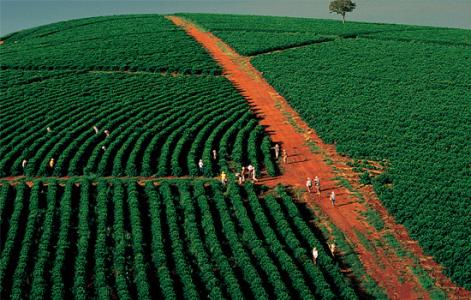
When was the Santa Barara Manor in Honduras, with a 280000-hectare coffee farm, established?
The vast blue sea indicates the geographical location of Honduras. The blue sky and rainbow in the background reflect the yearning and longing for the future. An oval white broadband pyramid with the words freedom, sovereignty and independence in yellow Spanish in the Republic of Honduras on September 15, 1821, showing spiritual strength. The colorful arrows at the top represent the local aborigines, mounted on both sides.
A brief introduction to the treatment method of grinding degree and baking degree of fragrant and mellow Vietnamese fine coffee beans
Vietnam Coffee Corporation (VINACAFE) is a 100% state-owned enterprise with 73 companies and farmers under its jurisdiction.

A brief introduction to the Market Price of High-quality Coffee Bean varieties in Vietnam
Two years ago, I read a survey report that Vietnam has overtaken Colombia in coffee bean production, ranking second in the world after Brazil. But it is planted with Robusta trees, and there is still a big gap in the quality of coffee beans compared with countries such as Colombia and Brazil. Vietnam's coffee production is growing. Among Vietnam's new export products, tea ranks first and coffee ranks first.

A brief introduction to the planting market price of fragrant and mellow Vietnamese boutique coffee beans
G7 coffee is one of the most famous coffee in Vietnam. Each coffee bean is selected from the best coffee area in the Vietnamese plateau and baked with special cream. The creamy, mellow Wiener three-in-one instant coffee is produced and exported by Vietnam Bian Heweina Co., Ltd., the market share of Vina coffee in Vietnam has been maintained at more than 45%, in the leading position. At present, Wiener has been connected.
A hybrid between Arabica and Robusta [Catimor] Katimo and its branches
The exchange of professional baristas please pay attention to the coffee workshop (Wechat official account cafe_style) the interspecific hybrid between Arabica and Robusta [Catimor] the hybrid between Katimo Caturra and Timor. It was discovered in Portugal in 1959. The palate is obvious and easy to distinguish, the bitter acid is a little astringent, the aftertaste is often salty, and there is low acidity in Robusta in the Timo family.

A brief introduction to the description of flavor, taste and aroma characteristics of Vietnamese boutique coffee beans
Vietnam's geographical location is very favorable for coffee cultivation. Southern Vietnam has a hot and humid tropical climate, which is suitable for growing ROBUSTA coffee, while the north is suitable for growing ARABICA coffee. Coffee production in Vietnam has the following characteristics: (1) because there is no effective way to deal with fallen leaves, medium-grain coffee was selected as the main variety in the early 1980s. (2) take planting technology as
An introduction to Guatemalan coffee beans the origin of Guatemalan coffee beans the characteristics of Guatemalan coffee beans
Coffee production in Guatemala has declined relatively, at 700kg per hectare, while that in El Salvador is 900kg per hectare and that in Costa Rica is even more astonishing, at 1700 kg per hectare. The export of dangerous Dimara coffee is controlled by private companies, but the National Coffee Council (Asociacion Nacional de Cafe) controls the coffee industry.

Delicious Panamanian coffee beans introduce the taste and flavor characteristics of Panamanian coffee producing areas
Elida Manor has a total area of 65 hectares, more than half of which are located within the Baru Volcano National Park, 30 hectares of the estate are planted with coffee trees, and the remaining 35 hectares are virgin forests. Coffee plantations range from 1670 to 1850 meters above sea level, making it one of the two highest coffee farms in Panama. (the other estate with these elevations should be located in the Vulcan Valley.

A brief introduction to the Origin, Development, History and Culture of medium-grained Vietnamese Fine Coffee beans
Two years ago, I read a survey report that Vietnam has overtaken Colombia in coffee bean production, ranking second in the world after Brazil. But it is planted with Robusta trees, and there is still a big gap in the quality of coffee beans compared with countries such as Colombia and Brazil. Vietnam's coffee production is growing. Among Vietnam's new export products, tea ranks first and coffee ranks first.

A brief introduction to the History and Culture of the Origin and Development of Vietnamese Fine Coffee beans
Vietnam's geographical location is very favorable for coffee cultivation. Southern Vietnam has a hot and humid tropical climate, which is suitable for growing ROBUSTA coffee, while the north is suitable for growing ARABICA coffee. Coffee production in Vietnam has the following characteristics: (1) because there is no effective way to deal with fallen leaves, medium-grain coffee was selected as the main variety in the early 1980s. (2) take planting technology as

A brief introduction to the cultivation of cream-scented Vietnamese boutique coffee beans, geographical location, climate and altitude
Coffee production in Vietnam has the following characteristics: (1) because there is no effective way to deal with fallen leaves, medium-grain coffee was selected as the main variety in the early 1980s. (2) based on the planting technology, the planting method of coffee was determined, that is, under the hot and humid climate in southern Vietnam, high density planting, large amount of irrigation, excessive fertilization and no shading trees were obtained.

A brief introduction to the history and culture of the origin and development of boutique coffee beans in Caiser Louis Manor with smooth taste.
Elida Manor has a total area of 65 hectares, more than half of which are located within Baru Volcano National Park, 30 hectares of which are planted with coffee trees, and the remaining 35 hectares are primeval forest Elida Manor located in the Poquet producing area of Chiriki Province, a province on the western border of Panama. The most famous landmark and tourist attraction of the province is the Baru Volcano-Baru, which is 3300 meters above sea level.

El Salvador COE first Santa Rosa Farm Coffee flavor description Salvadoran coffee taste characteristics
For more information on coffee beans, please follow Coffee Workshop (official Wechat account cafe_style) SANTA ROSA Farm History: this is an extension of 56 hectares of land that was reforested with coniferous forests in 2000. Of the total expanded land, 20 hectares are planted with coffee (this area consists of 4 plots, 5 hectares each). Planted Mori

Introduction to the flavor and taste of Panamanian Coffee Manor Baru Volcano in Caisan Louis Manor
Elida Manor has a total area of 65 hectares, more than half of which are located within the Baru Volcano National Park, 30 hectares of the estate are planted with coffee trees, and the remaining 35 hectares are virgin forests. Coffee plantations range from 1670 to 1850 meters above sea level, making it one of the two highest coffee farms in Panama. (the other estate with these elevations should be located in the Vulcan Valley.