
"homogenize"
432 article(s) found

Identification of the quality of coffee beans: a detailed introduction of coffee cup testing terms
When testing a cup of coffee, we should distinguish whether the flavor, alcohol thickness, acidity and wet aroma of the coffee are pleasant. Most cup tasters use the following criteria to judge coffee. While tasting the coffee, you should try to discern whether the flavor, body, acidity and aroma of the coffee is pleasant, or unplea

Even the frequent shortage and refund of coffee can the Douyin advertisement of papi sauce save even coffee?
Professional coffee knowledge exchange more coffee bean information please follow the coffee workshop (Wechat official account cafe_style) caught off guard, since the first advertisement of Papi paste on Douyin is even coffee, let's take a look at this ad which is not like the advertisement. 48 hours, more than 80, 000 likes, more than 1100 comments, 1400 retweets, orders soared! A new one who makes coffee delivery.

Basic knowledge of fine coffee terminology for coffee cups
When we measure coffee, we should distinguish whether the flavor, mellow thickness, acidity and wet aroma of the coffee are pleasant. Most cup tasters use the following criteria to judge coffee. While tasting the coffee, you should try to discern whether the flavor, body, acidity and aroma of the coffee is pleasa
Coffee tasting technology-terminology for coffee cup testing
When we measure coffee, we should distinguish whether the flavor, mellow thickness, acidity and wet aroma of the coffee are pleasant. Most cup tasters use the following criteria to judge coffee. While tasting the coffee, you should try to discern whether the flavor, body, acidity and aroma of the coffee is pleasa
Basic knowledge of fine coffee terminology of coffee cup product (cup test)
When we measure coffee, we should distinguish whether the flavor, mellow thickness, acidity and wet aroma of the coffee are pleasant. Most cup tasters use the following criteria to judge coffee. While tasting the coffee, you should try to discern whether the flavor, body, acidity and aroma of the coffee is pleasa

Coffee cup taste (cup test) terms that must be understood when tasting coffee.
When we measure coffee, we should distinguish whether the flavor, mellow thickness, acidity and wet aroma of the coffee are pleasant. Most cup tasters use the following criteria to judge coffee. While tasting the coffee, you should try to discern whether the flavor, body, acidity and aroma of the coffee is pleasa
Processing of fresh coffee beans
Wet treatment requires the use of specific equipment and a large amount of water. When properly operated, it can ensure that the original quality of coffee beans is better preserved, producing homogeneous coffee beans with few bad beans. As a result, coffee beans produced in this way are generally considered to be of better quality and charge higher prices. Even after careful harvest, a certain amount of underdried and undercooked coffee
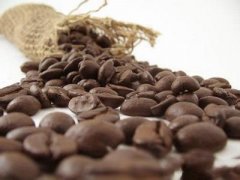
Two methods for processing fresh coffee beans: wet treatment and drying
Wet treatment requires the use of specific equipment and a large amount of water. When properly operated, it can ensure that the original quality of coffee beans is better preserved, producing homogeneous coffee beans with few bad beans. As a result, coffee beans produced in this way are generally considered to be of better quality and charge higher prices. Even after careful harvest, a certain amount of underdried and undercooked coffee

Can I add pure milk or reduced milk in the coffee? Can you drink coffee with milk powder?
Professional coffee knowledge exchange more coffee bean information please follow the coffee workshop (Wechat official account cafe_style) Coffee with milk? Misunderstanding one, reduced milk or business milk are milk drinks, not 100% milk, but why reduced milk can only be marked as milk drinks? Does this mean that the milk is not 100% milk? No, it's a rule of law, because it's concentrated.

Two methods of wet treatment and dry treatment in the processing of fresh coffee beans
Wet treatment requires the use of specific equipment and a large amount of water. When properly operated, it can ensure that the original quality of coffee beans is better preserved, producing homogeneous coffee beans with few bad beans. As a result, coffee beans produced in this way are generally considered to be of better quality and charge higher prices. Even after careful harvest, a certain amount of underdried and undercooked coffee
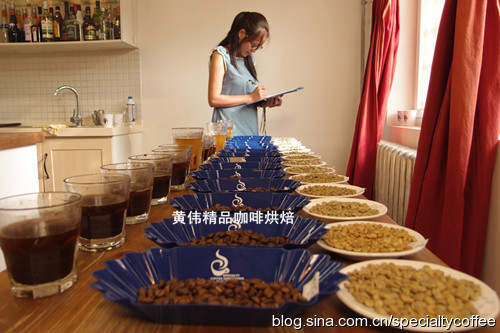
Coffee cup testing terminology scaa coffee cup meter introduction boutique coffee cup testing techniques are introduced
(compile: Huang Wei reprint be sure to indicate the origin and original link) first take a look at what the coffee cup test is: click on the coffee cup test, and then look at the following cup test terms, that is, the language we use when testing coffee: when testing coffee, we need to distinguish whether the coffee's flavor, mellow thickness, acidity and wet aroma are pleasant. Most cup testers use the following criteria to judge coffee.

Two methods for processing fresh coffee beans: wet treatment and drying
Wet treatment requires the use of specific equipment and a large amount of water. When properly operated, it can ensure that the original quality of coffee beans is better preserved, producing homogeneous coffee beans with few bad beans. As a result, coffee beans produced in this way are generally considered to be of better quality and charge higher prices. Even after careful harvest, a certain amount of underdried and undercooked coffee
Detailed explanation of two methods in the processing of Coffee fresh beans
Wet treatment requires the use of specific equipment and a large amount of water. When properly operated, it can ensure that the original quality of coffee beans is better preserved, producing homogeneous coffee beans with few bad beans. As a result, coffee beans produced in this way are generally considered to be of better quality and charge higher prices. Even after careful harvest, a certain amount of underdried and undercooked coffee
Detailed explanation of two methods in the processing of fresh coffee beans
Wet treatment requires the use of specific equipment and a large amount of water. When properly operated, it can ensure that the original quality of coffee beans is better preserved, producing homogeneous coffee beans with few bad beans. As a result, coffee beans produced in this way are generally considered to be of better quality and charge higher prices. Even after careful harvest, a certain amount of underdried and undercooked coffee
Detailed explanation of two methods in the processing of raw coffee beans
Wet treatment requires the use of specific equipment and a large amount of water. When properly operated, it can ensure that the original quality of coffee beans is better preserved, producing homogeneous coffee beans with few bad beans. As a result, coffee beans produced in this way are generally considered to be of better quality and charge higher prices. Even after careful harvest, a certain amount of underdried and undercooked coffee

Is your own roasting coffee shop really a gimmick? What are the benefits of making your own coffee?
Professional coffee knowledge exchange more coffee bean information Please follow the coffee workshop (Wechat official account cafe_style) the high-frequency vocabulary of the self-roasting coffee market for a coffee shop focused on coffee, coffee beans are definitely the soul. Because the main composition of coffee is only ground coffee and water, in the face of the rising tide of coffee in recent years, the selection of coffee beans has a great influence.
Coffee beans recommend organic coffee from Papua New Guinea
Organic coffee (Purosa Estate M10 JAS Organic) the seeds of coffee from Papua New Guinea were introduced from Jamaica, Kenya, Tanzania and other countries more than 70 years ago in the 1930s. Formal planned cultivation since the 1950s; the main producing areas are Groca and Madha in the central mountains.

An introduction to the New Organic Coffee Manor-- an introduction to the cultivation of Organic Coffee in Borosa Manor
Organic Coffee (Purosa Estate M10 JAS Organic) the seeds of coffee from Papua New Guinea were introduced from Jamaica, Kenya, Tanzania and other countries more than 70 years ago in the 1930s. Formal planned cultivation since the 1950s; the main producing areas are Groca and Madha in the central mountains. This Polosa farm.

How to buy baked beans for beginners
How can beginners choose a trustworthy coffee shop and buy their favorite coffee beans?
Organic coffee from Papua New Guinea
Organic coffee (Purosa Estate M10 JAS Organic) in Papua New Guinea the seeds of coffee from Papua New Guinea were introduced from Jamaica, Kenya, Tanzania and other countries more than 70 years ago in the 1930s. Formal planned cultivation since the 1950s; the main producing areas are Groca and Madha in the central mountains. This Polosa.