Washed vs Natural Coffee Processing: Key Differences
Ever wonder why some specialty coffees taste cleaner and more consistent, while others have wild fruitiness and earthy depth? The secret lies in how the coffee cherry is processed after harvest — specifically, whether it undergoes a washed (wet) or natural (dry) method. These two techniques dramatically shape the final cup profile, bean uniformity, and even price.
The short answer: Washed processing (wet method) typically yields cleaner, more uniform coffee with fewer defects, but requires lots of water and equipment. Natural processing (dry method) is simpler, doesn’t need water, but demands ideal drying conditions and often produces more complex, fruity flavors — though with higher risk of inconsistency.
What Is Coffee Processing?
Coffee processing is the crucial step that follows cherry harvesting and precedes roasting. Its job? To remove the coffee bean (the seed) from the fruit, dry it properly, and prepare it for export. How this is done — washed or natural — directly impacts the bean’s flavor, quality grade, and market value.
Washed (Wet) Coffee Processing: Step by Step
The washed or wet process is designed to preserve the intrinsic qualities of the coffee bean by removing the fruit flesh before drying. It’s labor-intensive, water-heavy, and equipment-dependent — but when done right, it produces high-quality, uniform beans with minimal defects.
Here’s how it works, with exact steps and figures:
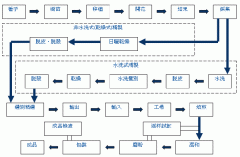
- Initial Sorting & Washing: Even with careful picking, harvested coffee cherries may include unripe, overripe, or damaged fruits, along with small stones and dirt. In the wet method, this sorting and washing happens ASAP post-harvest. Cherries are cleaned in flowing water and often passed through sieves to separate by size and ripeness.
- Depulping (Removing the Fruit Flesh): This is the key difference: in wet processing, the coffee fruit’s flesh is removed before drying. A pulper — a machine with fixed and moving plates — crushes the cherry, separating the skin and fruit from the beans encased in their parchment layer. The gap between the plates is calibrated to avoid damaging the beans. This must be done quickly to prevent spoilage. Any beans still clinging to fruit or with residual mucilage are filtered out via screens.
- Floating & Fermentation: Depulped beans go through a water float tank to further remove low-density, defective beans. Then they enter fermentation tanks. Here, natural enzymes break down the sticky mucilage layer (24–36 hours, depending on temperature, mucilage thickness, and enzyme activity). Fermentation is complete when the beans’ parchment feels rough, like pebbles — a tactile cue that the mucilage is gone.
- Rinsing & Drying: After fermentation, beans are thoroughly rinsed in clean water. At this stage, wet parchment coffee beans hold about 57% moisture. They must then be dried down to 12.5%. Drying can be done in the sun (laid in 2x10 cm layers on patios, mats, or raised screens, and turned regularly) over 8–10 days, depending on weather. For faster drying — especially during peak harvest — mechanical dryers with hot air may be used, but moisture control is critical to avoid quality loss.
- Storage & Milling (‘Hulling’): Once dried to 12.5%, the beans — now called parchment coffee — are stored until export. Just before shipping, they go through hulling (removing the parchment layer) and final sorting, grading, and electronic defect removal.
The washed method is standard for nearly all Arabica coffee globally except in Brazil (where natural dominates) and select other regions. It’s rarely used for Robusta.
Natural (Dry) Coffee Processing: Step by Step
The natural or dry process is the oldest and simplest method: the entire coffee cherry is dried intact, with the bean inside. No water or machinery is required (aside from basic sorting tools), making it ideal for regions with limited resources — but it demands precise drying control.
Key steps include:
- Initial Sorting & Cleaning: Harvested cherries are hand-sorted using large sieves to remove unripe, overripe, damaged, or foreign matter (leaves, twigs, stones, etc.). Some farms also use water flotation to further screen out defective cherries before drying.
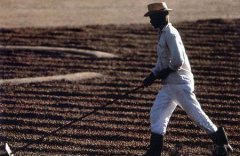
- Drying the Whole Cherry: Sorted cherries are spread out to dry on concrete patios, brick platforms, raised grass mats, or quality wire-mesh trays. They’re turned or raked frequently to ensure even drying. Drying takes around 4 weeks, depending on climate. The target moisture level is 12.5%.
- Drying Adjustments: On large farms, after initial sun drying, mechanical dryers may be used to speed up the process, particularly during busy harvest seasons. However, this requires strict moisture monitoring to avoid cracking or spoilage.
- Storage & Hulling: Once dried to 12.5%, cherries are stored (often in earth bins) until milling. At the mill, the outer husk and dried fruit layers are removed by a hulling machine, revealing the green coffee bean.
The natural process is used for around 95% of Brazilian Arabica, most Ethiopian, Haitian, Paraguayan, and some Indian and Ecuadorian Arabica. It’s also the method for nearly all Robusta coffee. But it’s impractical in very humid or rainy climates.
Why Processing Matters
The choice between washed and natural processing affects much more than just how a bean looks. It shapes flavor: washed coffees tend to be cleaner, brighter, and more uniform, with fewer defects. Natural coffees often have more pronounced fruit, fermentation, and fermented notes — but carry greater risk of inconsistency. Processing also influences bean quality grading, market price, and export readiness.
Additionally, the washed method generally results in fewer defective beans and a more homogenous lot, justifying its higher market price. Natural processing, while lower-cost and accessible, demands ideal environmental conditions and meticulous management to achieve high quality.
Frequently Asked Questions
What’s the main difference between washed and natural coffee processing?
Washed (wet) processing removes the coffee fruit’s flesh before drying, resulting in cleaner, more uniform beans. Natural (dry) processing dries the whole cherry, including the bean inside, often producing more fruity and complex flavors but with higher risk of inconsistency.
How long does each coffee processing method take?
Washed processing typically takes about 2–3 weeks total: 1–2 days for depulping, 24–36 hours for fermentation, and 8–10 (or more) days for drying. Natural processing takes roughly 4 weeks of sun drying the whole cherry to reach 12.5% moisture.
What moisture level must coffee beans reach before storage?
Both washed (parchment coffee) and natural (dried cherry) beans must reach 12.5% moisture content before they can be safely stored or hulled for export.
Does the processing method affect coffee flavor?
Yes. Washed coffee usually tastes cleaner, brighter, and more consistent with fewer defects. Natural coffee often has stronger fruit, fermentation, and sometimes wild or funky flavors, but can be less uniform in quality.
Which countries mostly use washed or natural processing?
Washed is dominant in most Arabica-growing regions (except Brazil), while natural is common in Brazil (95% of its Arabica), Ethiopia, Haiti, Paraguay, and almost all Robusta-producing countries. Wet processing is rare in very humid or rainy climates.
What happens after processing before coffee is exported?
After drying, beans are stored as parchment (washed) or dried cherry (natural). Before export, they’re hulled (parchment or husk removed), sorted, graded, and cleaned — often using electronic sorters to remove defective beans.
Recommended FrontStreet Beans for Process Study
Explore the impact of processing firsthand with FrontStreet Coffee’s Ethiopia Guji Konga — a washed Yirgacheffe-type offering bright citrus, floral tones, and a clean finish. For natural processing, try their Ethiopia Yirgacheffe Aricha, showcasing blueberry, tropical fruit, and winey complexity from dry processing. Both beans highlight how method shapes flavor. Freshly roasted within 5 days · Orders placed before 17:00 ship the same day · Next-day delivery across most of Guangdong Province.
FrontStreet Coffee is a long-established specialty coffee roaster in Guangzhou China, selling freshly roasted beans from its own farm in Yunnan as well as dozens of carefully selected single-origin beans from around the world for both pour-over and espresso. The products deliver consistently excellent quality and great value, with shipping within 24 hours. Guangzhou's FrontStreet Coffee shop is recommended by many coffee lovers, and the beans are now available online at the Tmall 。
Important Notice :
前街咖啡 FrontStreet Coffee has moved to new addredd:
FrontStreet Coffee Address: 315,Donghua East Road,GuangZhou
Tel:020 38364473