
How Coffee Is Processed From Bean to Cup
Ever wondered how your morning cup of coffee starts its life? Before it reaches your grinder, every coffee bean undergoes an intricate series of steps—harvesting, pulping, fermenting, drying, and more—that determine its final flavor. Whether you taste fruity brightness or deep chocolate tones, those qualities began with how the coffee was processed on the farm.
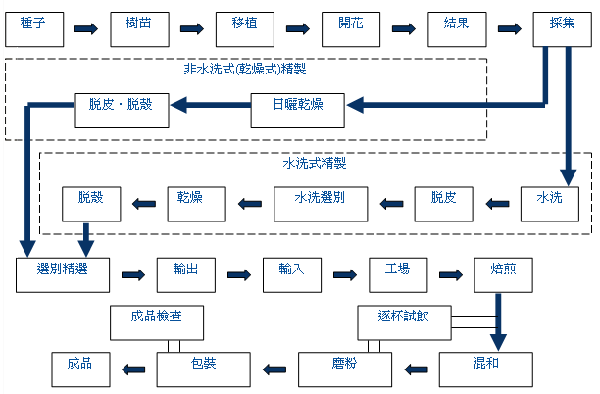
Coffee production involves five major steps: harvesting ripe cherries, removing the fruit (pulping), fermenting to clean the beans, drying them to the right moisture level, and milling to remove the parchment. Each stage impacts flavor, body, and aroma—and small changes in processing can lead to wildly different cups.
Harvesting Coffee Cherries
Coffee production begins with harvesting ripe coffee cherries from the tree. Only fully red (or yellow, depending on variety) cherries are picked to ensure ripeness and sugar development. On large farms, this is often done mechanically, while smaller farms may handpick selectively. Pickers look for uniform maturity because underripe or overripe cherries can introduce off-flavors during processing.
Processing Methods: Washed, Natural, and Honey
Once harvested, coffee cherries must be processed to separate the beans from the fruit. There are three main methods:
- Washed (Wet) Process: The skin and pulp are removed using a depulper, then beans are fermented in water to break down mucilage. After rinsing, they’re dried on patios or raised beds. This method often highlights clarity, acidity, and cleanliness in the cup.
- Natural (Dry) Process: Whole cherries are spread out to dry in the sun with the fruit still intact. Drying can take 2–4 weeks, and the beans absorb sugars and flavors from the fruit. This typically results in fruitier, wine-like, and heavier-bodied coffees.
- Honey (Pulped Natural) Process: The skin is removed, but some or all of the sticky mucilage remains on the beans during drying. Variations include white, yellow, red, and black honey, based on how much mucilage is left. These methods often produce sweet, syrupy, and medium-bodied profiles.
The choice of method significantly affects flavor development, and regions often specialize in one style based on climate and tradition.
Drying the Coffee Beans
After pulping (or not, in the natural process), the beans—covered in mucilage or fruit, depending on method—are dried. For washed coffee, beans are dried to 11–12% moisture content. Natural and honey processed coffees are dried with the fruit or mucilage still attached, requiring careful turning and monitoring to avoid mold or overfermentation. Drying can occur on concrete patios, raised African beds, or mechanical dryers. Consistent airflow and shade help maintain even drying, which is critical for quality.
Milling and Exporting Green Coffee
Once dried to the ideal moisture level, coffee beans are still encased in a protective parchment layer. They’re transported to a mill where hulling machines remove the parchment (and any remaining fruit in natural-processed beans). The resulting green coffee beans are sorted by density and size—often using screens like the China-standard No.20 sieve—and graded for defects. High-quality beans with low defect counts are sorted for export. At this stage, they’re ready to be shipped to roasters around the world.
Roasting: The Final Transformation
Roasting transforms green coffee into the aromatic beans we brew. During roasting, beans undergo physical and chemical changes including the Maillard reaction and caramelization, which develop flavor, aroma, and color. Roast levels—light, medium, or dark—affect acidity, sweetness, and body. Light roasts preserve origin characteristics; darker roasts bring out bold, roasted flavors. Most specialty roasters fine-tune time and temperature (often around 180–240°C internally) to highlight specific profiles.
Frequently Asked Questions
What are the main coffee processing methods?
The three main coffee processing methods are washed (wet), natural (dry), and honey (pulped natural). Washed removes all fruit before drying, highlighting clarity and acidity. Natural dries the whole cherry, creating fruity, full-bodied flavors. Honey processes leave some mucilage on the bean, producing sweet, syrupy cups. Each affects the final taste differently.
How long does coffee take to dry after processing?
Drying time varies by method. Natural and honey processed coffees can take 2–4 weeks to dry, while washed coffee typically dries in 10–21 days. The drying process must be carefully managed to reach 11–12% moisture content and avoid mold or uneven drying.
Does processing affect coffee flavor?
Yes, processing has a huge impact on flavor. Washed coffees often taste cleaner and brighter with higher acidity. Natural processed coffees are fruitier and more full-bodied. Honey processed coffees tend to be sweeter with a syrupy body. The method determines how much fruit or fermentable material influences the final cup profile.
What happens after coffee is dried?
After drying, coffee beans are milled to remove the parchment layer, sorted by size and density, and graded for defects. The resulting green coffee is bagged and exported to roasters worldwide. Milling ensures the beans are clean, consistent, and ready for roasting.
What is the moisture content goal for dried coffee beans?
The target moisture content for properly dried coffee beans is 11–12%. This level ensures stability during storage and transport without risking mold or degradation. Achieving this requires careful monitoring during the drying phase.
Recommended FrontStreet Beans for Processing Exploration
Try FrontStreet Coffee’s Ethiopia Huakui for a bright washed-process cup with citrus and floral notes, or their Kenya Little Tomato for wine-like acidity from a classic natural-style Kenyan lot. For honey-process fans, their Sidra shows off sweet, tropical flavors with a syrupy body. All three highlight how processing shapes flavor. Freshly roasted within 5 days · Orders placed before 17:00 ship the same day · Next-day delivery across most of Guangdong Province.
FrontStreet Coffee is a long-established specialty coffee roaster in Guangzhou China, selling freshly roasted beans from its own farm in Yunnan as well as dozens of carefully selected single-origin beans from around the world for both pour-over and espresso. The products deliver consistently excellent quality and great value, with shipping within 24 hours. Guangzhou's FrontStreet Coffee shop is recommended by many coffee lovers, and the beans are now available online at the Tmall 。
Important Notice :
前街咖啡 FrontStreet Coffee has moved to new addredd:
FrontStreet Coffee Address: 315,Donghua East Road,GuangZhou
Tel:020 38364473

