How Coffee Beans Are Processed: Natural vs Washed
When you sip a cup of coffee, you’re tasting the result of choices made long before roasting — especially how the coffee fruit was processed after harvest. Whether the beans were dried whole with their fruit on, or carefully pulped, fermented, and washed, the method defines much of the final cup’s character. But how exactly does processing shape your coffee? And why do some beans cost far more than others?
Coffee beans are processed primarily by either the dry (natural) method — the cheapest and oldest technique — or the wet (washed) method, which costs more but often produces higher-quality results. The method determines not just flavor complexity and clarity, but also pricing, shelf life, and export readiness.
What Is Coffee Processing?
Before coffee can be roasted, the raw seeds — or beans — must be removed from the coffee cherry. This is done through one of two main processes: dry (unwashed/natural) or wet (washed). The choice affects moisture levels, flavor development, and bean stability. Most high-quality Arabica beans use the wet method, while lower-grade or drought-prone regions like Brazil and Ethiopia often rely on the dry process.
Dry Processing (Natural Method)
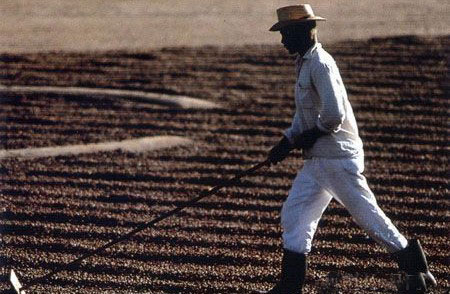
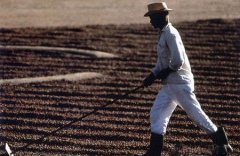
The dry process is the original, low-tech way to prepare coffee. Whole coffee cherries are spread out to dry in the sun, typically on concrete patios, brick surfaces, or mats. Workers regularly rake the cherries to prevent mold and fermentation. In rainy or cold weather, they cover the cherries to protect them. This process takes around four weeks, during which the fruit’s moisture content drops to roughly 12%. At that point, the outer skin becomes brittle, and you can hear the beans rattle inside.
Timing and technique are critical. Over-drying leads to fragile beans prone to damage during hulling; under-drying risks mold during storage. Once dried, the beans — now called 'parchment coffee' once hulled — are stored in cool, dry conditions. In Brazil, the dried cherries are nicknamed 'coco' at this stage due to their dark, cocoa-like appearance. The beans inside make a rattling noise as they dry, a sign they’re approaching readiness.
Wet Processing (Washed Method)
The wet method is more complex, labor-intensive, and expensive, but it generally yields cleaner, brighter, and more consistent coffee. Here, the coffee cherry’s skin and pulp are removed within hours of harvest — ideally within 12 hours, and no later than 24. A depulper crushes the fruit, separating the beans from the sticky mucilage-covered parchment.
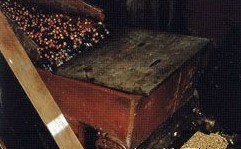
The beans are then rinsed, often using channels that sort them by density — heavier, denser beans sink first. Some farms use devices like the Aagaard classifier, developed by a Kenyan-based Norwegian grower, which sorts beans in water based on buoyancy. Next comes fermentation: enzymes break down the remaining mucilage around the parchment layer. This can take anywhere from 12 to 36 hours depending on ambient temperature and pulp thickness. Proper washing and daily equipment cleaning are essential to avoid spoilage and maintain bean health.
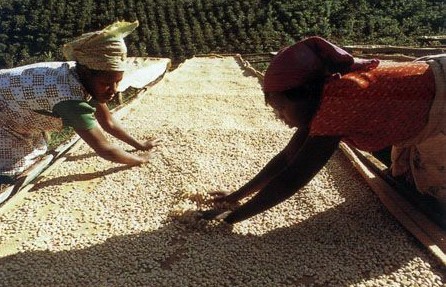
After fermentation, beans still have about 15% moisture within their parchment layer. They must then be dried down to around 11% moisture. This drying — similar in method to the dry process — is done on patios, raised beds, or sometimes with mechanical dryers in humid or rainy regions. The process takes about 12 to 15 days if sun-dried, with regular turning to ensure evenness. If the sun is too harsh, shading is required. Throughout, care is taken not to crack the fragile parchment.
Once dried, the beans remain in their parchment until just before export, stored in stable, cool, and low-humidity environments to prevent quality loss. Even slight increases in heat or humidity can degrade the beans, especially Arabica, which should not be stored at origin farms unless necessary. Highland-grown beans are best kept at elevations near their origin.
Milling, Polishing, and Sorting
Before export, parchment coffee is hulled to remove the dried husk, a step called milling or dehulling. Wet-processed beans are harder to hull than dry-processed ones, requiring different machines. Common types include friction hullers (like the Engelberg or Smout models), which gently press beans against blades or ridges, and centrifugal hullers, which use spinning disks with metal pins to knock off the parchment.
Some beans are also polished to remove the thin silver skin left after hulling. Polishing is mostly aesthetic and doesn’t affect cup quality, despite old beliefs that polished beans are superior. Polishers may use copper pins instead of iron to reduce damage and add a slight bluish tint.
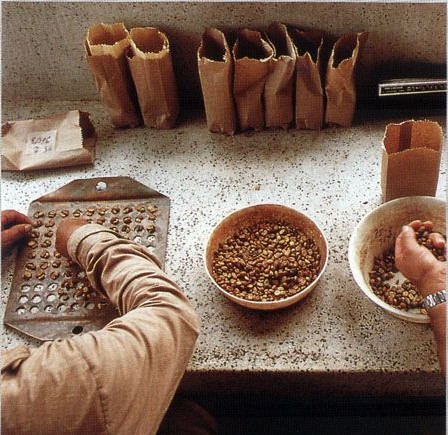
Finally, beans are sorted by size, density, and defects. Screens with different mesh sizes separate beans by diameter, and air or gravity tables sort them by density. Skilled workers or electronic color sorters remove defective, discolored, or chipped beans. While machines help, human eyes remain the most reliable tool for quality sorting. Countries use varying grading systems; for example, Brazil classifies beans into six export grades, with SHB (Strictly Hard Bean) being the highest, grown at altitudes above 1,200 meters (4,000 feet).
Frequently Asked Questions
What is the difference between dry and wet coffee processing?
Dry processing, or natural method, dries the whole coffee cherry in the sun with the fruit still on the bean, taking about four weeks. Wet processing, or washed method, removes the fruit and mucilage within 24 hours of harvest, then ferments and washes the beans before drying the parchment-covered seeds. Wet processing usually results in cleaner, brighter flavors, while dry processing often enhances body and sweetness.
How long does coffee processing take?
Dry processing takes approximately four weeks for the cherries to dry to 12% moisture. Wet processing involves quicker initial steps (depulping and fermenting in 12–36 hours), but drying the parchment coffee still requires about 12–15 days if sun-dried. Total time varies based on climate, equipment, and method.
Why is coffee processed differently in Brazil and Ethiopia?
Brazil and Ethiopia often use the dry method due to their climates, lower water availability, or cost considerations. These regions commonly produce lower-cost coffees with more body and earthy notes. In contrast, most Arabica-growing countries prefer the wet method for cleaner, more complex cup profiles.
Does polishing coffee beans improve flavor?
No, polishing coffee beans does not significantly affect flavor. It removes the thin silver skin but is largely an aesthetic step. Some believe polished beans look better or grade higher, but cup quality remains virtually unchanged whether polished or not.
What is parchment coffee?
Parchment coffee refers to beans that have been dried with their tough, paper-like husk (parchment layer) still intact. This protective layer keeps the beans stable during storage and is removed just before export through hulling.
How is coffee sorted for quality?
Coffee is sorted by size using mesh screens, by density using air or gravity tables, and by visual defects through manual or electronic color sorting. Skilled workers remove damaged, discolored, or underripe beans to ensure only the highest-quality beans are exported.
Recommended FrontStreet Natural-Process Coffees
Explore FrontStreet Coffee’s selection of naturally processed beans, ideal for experiencing the effects of the dry method. The Ethiopia Yirgacheffe Red Cherry offers bright acidity, tropical fruit, and a sweet finish after medium roast. The Ethiopia Huakui highlights floral and citrus notes with a juicy body typical of high-altitude naturals. For something earthier, the Brazil Queen Manor delivers chocolatey richness, nuts, and a smooth profile thanks to its extended sun drying. All showcase how natural processing shapes unique cup profiles. Freshly roasted within 5 days · Orders placed before 17:00 ship the same day · Next-day delivery across most of Guangdong Province.
FrontStreet Coffee is a long-established specialty coffee roaster in Guangzhou China, selling freshly roasted beans from its own farm in Yunnan as well as dozens of carefully selected single-origin beans from around the world for both pour-over and espresso. The products deliver consistently excellent quality and great value, with shipping within 24 hours. Guangzhou's FrontStreet Coffee shop is recommended by many coffee lovers, and the beans are now available online at the Tmall 。
Important Notice :
前街咖啡 FrontStreet Coffee has moved to new addredd:
FrontStreet Coffee Address: 315,Donghua East Road,GuangZhou
Tel:020 38364473