
"lands"
21300 article(s) found

Ethiopian cooperatives introduce African boutique coffee beans
Production area of Sigiga Cooperative (1600-2500 m): Gedeo-Kochere Cochel members: 1862 people Land attribute: red Brown soil Certificate: Fair Trade Fair Trade, UTZ Sustainable cultivation, Organic Organic Coffee Finchewan Cooperative (1450-2000 m) production area: Gedeo-Wenago Vina members: 1271 people Land attribute: reddish Brown

Name and introduction of Coffee Cooperative in Ethiopia
Production area of Sigiga Cooperative (1600-2500 m): Gedeo-Kochere Cochel members: 1862 people Land attribute: red Brown soil Certificate: Fair Trade Fair Trade, UTZ Sustainable cultivation, Organic Organic Coffee Finchewan Cooperative (1450-2000 m) production area: Gedeo-Wenago Vina members: 1271 people Land attribute: reddish Brown

Name and introduction of Ethiopian Coffee Cooperative Organic Coffee African Fine Coffee Flavor
Production area of Sigiga Cooperative (1600-2500 m): Gedeo-Kochere Cochel members: 1862 people Land attribute: red Brown soil Certificate: Fair Trade Fair Trade, UTZ Sustainable cultivation, Organic Organic Coffee Finchewan Cooperative (1450-2000 m) production area: Gedeo-Wenago Vina members: 1271 people Land attribute: reddish Brown

Introduction to the characteristics of fine coffee bean producing areas in La Tisa Manor, Guatemala
Between 1950 and 1954, the ruling president Jacobo Abens implemented land reform, when big landlords, who accounted for 2 per cent of the country's population, owned about 70 per cent of the country's arable land. Arbens wrote a check for land reform, promising to buy the land held by the big landlords and redistribute it to small farmers. Arbens won the election, and the land reform plan was carried out immediately. For owning land greater than 223

Ethiopian Coffee Cooperative Name and Introduction African Fine Coffee Aduoduo High Quality Cooperative
Fine coffee is fresh coffee. Whether it's food or drink, the fresher the better, and so is specialty coffee. Coffee beans should be kept fresh before making fine coffee, including the preservation of roasted beans, and the coffee beans should be ground before making, which is also to retain its most original and best flavor. And hand brewed coffee making is such a way to make fine coffee

The taste of Guatemalan coffee with elegant aroma. Introduction to fine coffee in manor area.
From 1871 to 1944, the country began to devote itself to economic modernization. At the same time, the United Fruit Company, which is dominated by the United States, has also begun to buy large coffee and banana estates in Guatemala and intervene in Guatemalan politics. After the revolution in October 1944, the former dictator was overthrown, democracy and freedom of expression were implemented in Guatemala, and the first law in Guatemalan history to protect the interests of workers came into force.
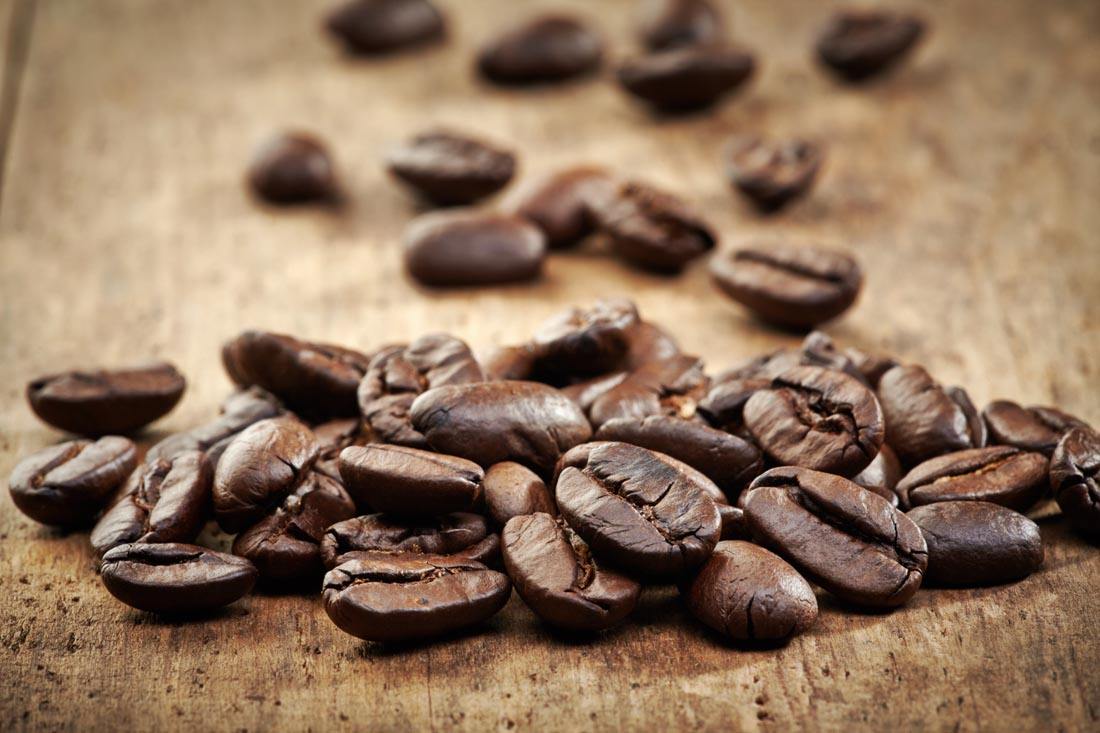
Introduction to Coffee Climatic cultivation in Ethiopia
Following Kaiping (official Wechat account vdailycom) has found that climate change may cause about half of Ethiopia's coffee-growing areas to become unsuitable for coffee cultivation by the end of the century. However, the study report is not all bad news, the researchers also proposed that through the transfer of coffee producing areas, afforestation and forest protection, the total area of coffee cultivation is expected to expand

Guatemala Antigua Flower God Coffee Flavor description treatment characteristics of planting environment introduction of varieties
Between 1950 and 1954, the ruling president Jacobo Abens implemented land reform, when big landlords, who accounted for 2 per cent of the country's population, owned about 70 per cent of the country's arable land. Arbens wrote a check for land reform, promising to buy the land held by the big landlords and redistribute it to small farmers. Arbens won the election, and the land reform plan was carried out immediately. For owning land greater than 223

Introduction to the characteristics of Coffee Flavor description and Grinding degree in Incht Manor, Guatemala
Between 1950 and 1954, the ruling president Jacobo Abens implemented land reform, when big landlords, who accounted for 2 per cent of the country's population, owned about 70 per cent of the country's arable land. Arbens wrote a check for land reform, promising to buy the land held by the big landlords and redistribute it to small farmers. Arbens won the election, and the land reform plan was carried out immediately. For owning land greater than 223

Very rich Guatemala fine coffee flavor taste estate production characteristics
Between 1950 and 1954, when President Jacobo Árbenz was in power, land reform was implemented, and large landowners, who accounted for 2% of the country's population, occupied about 70% of the country's arable land.Árbenz wrote a check for agrarian reform, promising to buy up land held by large landowners and redistribute it to small farmers.Árbenz won the election, and the land reform program was immediately implemented. For land ownership greater than 223

Introduction to the unique fragrant sweet taste of Guatemalan coffee with the characteristics of grinding degree and taste treatment
Between 1950 and 1954, the ruling president Jacobo Abens implemented land reform, when big landlords, who accounted for 2 per cent of the country's population, owned about 70 per cent of the country's arable land. Arbens wrote a check for land reform, promising to buy the land held by the big landlords and redistribute it to small farmers. Arbens won the election, and the land reform plan was carried out immediately. For owning land greater than 223

Jasmine scented Guatemala Antigua Coffee Flavor taste Manor characteristics of boutique coffee beans
Between 1950 and 1954, the ruling president Jacobo Abens implemented land reform, when big landlords, who accounted for 2 per cent of the country's population, owned about 70 per cent of the country's arable land. Arbens wrote a check for land reform, promising to buy the land held by the big landlords and redistribute it to small farmers. Arbens won the election, and the land reform plan was carried out immediately. For owning land greater than 223

An introduction to fine coffee in manor area with elegant aroma and taste of Guatemalan coffee.
Between 1950 and 1954, the ruling president Jacobo Abens implemented land reform, when big landlords, who accounted for 2 per cent of the country's population, owned about 70 per cent of the country's arable land. Arbens wrote a check for land reform, promising to buy the land held by the big landlords and redistribute it to small farmers. Arbens won the election, and the land reform plan was carried out immediately. For owning land greater than 223 British

How to make coffee in the Holy Land? The Holy Land Coffee Shop
1. Add iced coffee 3 minutes full. 2. Add 8 minutes of fresh milk, stir iced coffee and fresh milk evenly and add ice cubes. 3. Add fresh milk foam and honey to decorate with fresh milk foam.

Introduction to the unique sour coffee producing areas of La Tisa Manor in Guatemala
Between 1950 and 1954, the ruling president Jacobo Abens implemented land reform, when big landlords, who accounted for 2 per cent of the country's population, owned about 70 per cent of the country's arable land. Arbens wrote a check for land reform, promising to buy the land held by the big landlords and redistribute it to small farmers. Arbens won the election, and the land reform plan was carried out immediately. For owning land greater than 223

Lively fragrance of Guatemalan Coffee Manor flavor and taste characteristics of Incht Manor
Between 1950 and 1954, the ruling president Jacobo Abens implemented land reform, when big landlords, who accounted for 2 per cent of the country's population, owned about 70 per cent of the country's arable land. Arbens wrote a check for land reform, promising to buy the land held by the big landlords and redistribute it to small farmers. Arbens won the election, and the land reform plan was carried out immediately. For owning land greater than 223

Introduction to the characteristics of Guatemala Antigua Coffee Flavor Manor with unique charcoal incense
Between 1950 and 1954, the ruling president Jacobo Abens implemented land reform, when big landlords, who accounted for 2 per cent of the country's population, owned about 70 per cent of the country's arable land. Arbens wrote a check for land reform, promising to buy the land held by the big landlords and redistribute it to small farmers. Arbens won the election, and the land reform plan was carried out immediately. For owning land greater than 223

Introduction to the quality characteristics of coffee flavor description treatment in Incht Manor, Guatemala
Between 1950 and 1954, the ruling President Jacobo Abens carried out land reform, when large landowners, who accounted for 2 per cent of the country's population, occupied about 70 per cent of the country's arable land. Arbens wrote a check for land reform, promising to buy the land held by the big landlords and redistribute it to small farmers. Arbens to

Guatemala Antigua coffee with a very strong flavor
Between 1950 and 1954, when President Jacobo Árbenz was in power, land reform was implemented, and large landowners, who accounted for 2% of the country's population, occupied about 70% of the country's arable land.Árbenz wrote a check for agrarian reform, promising to buy up land held by large landowners and redistribute it to small farmers.Árbenz won the election, and the land reform program was immediately implemented. For land ownership greater than 223

Introduction to the Flavor and Taste of Fine Coffee beans in Guatemala Coffee Manor
Between 1950 and 1954, the ruling president Jacobo Abens implemented land reform, when big landlords, who accounted for 2 per cent of the country's population, owned about 70 per cent of the country's arable land. Arbens wrote a check for land reform, promising to buy the land held by the big landlords and redistribute it to small farmers. Arbens won the election, and the land reform plan was carried out immediately. For owning land greater than 223