
"maximum"
4068 article(s) found

What kind of cup do you use for coffee?
Different coffees use different cups. Generally speaking, the maximum capacity of ESP does not exceed 90ml special ESP cup, the cup with about 300ml latte capacity is more appropriate, the straight height glass is the most appropriate, the card cloth uses 200ml porcelain cup with thicker wall is more appropriate, drip filter coffee can use fortified porcelain cup or bone china cup is better. Others can.

Introduction to the Flavor of Nicaraguan Coffee
Dry aroma (1-5): 3.8 wet aroma (1-5): 3.8 acidity (brightness) (1-10): 8.9 taste (layering) (1-10): 8.8 taste (alcohol thickness) (1-5): 3.4 aftertaste (residue) (1-10): 8.9 balance (1-5): 2 basic score (50): 50 total score (maximum 100): 89.6 strength / strength Main attributes: medium strength / clear chocolate

Volcano San Marco Volcanic San Marcos American Coffee Cafe Manor
Volcano San Marco Volcanic San Marcos: volcano San Marco Volcanic San Marcos: San Marco has the hottest climate of the eight largest coffee producing areas in Guatemala, with a maximum rainfall of 200inches (5000 mm). The rainy season is earlier than in other areas, and coffee trees bloom earlier. Like other remote areas of Guatemala, volcanic San Marco coffee is grown and processed by small farmers.

Koke Cook Cooperative Ethiopian Coffee Cooperative Fine Coffee
Annual output of raw coffee beans: 457000 kg average farm size: maximum 4 hectares, annual yield of about 699kg per hectare all treatment equipment certificate: Fair Trade Fair Trade, Organic Organic Coffee Koke Cook Cooperative (1750-2300 m) producing areas: Gedeo- Yega Xuefei members: 828people Land attribute: red brown soil can provide a group of treatments

Belekara Cooperative Yega Sheffield African boutique coffee Ethiopian flavor
Production area of Belekara Cooperative (1000-1400 m): Gedeo-Wenago Vina members: 685Land attribute: red brown soil can provide a set of treatment equipment certificates: Fair Trade Fair Trade, Organic Organic Coffee Raw Bean Annual output: 457000 kg average farm size: maximum 4 hectares, annual output per hectare is about 699kg.

Introduction to the characteristics of taste treatment of varieties in Burundian coffee flavor description
Introduction to the characteristics of taste treatment of varieties in Burundian coffee flavor description: acidity (brightness) (1-10): not applicable taste (hierarchical feeling) (1-10): not applicable taste (alcohol thickness) (1-5): not applicable aftertaste (residue) (1-10): not applicable balance (1-5): not applicable basic score (50): not applicable total score (maximum 100): not applicable to Bloom.

Analog Coffee
Analog literally translated into analog signal, in the field of music, this kind of signal eliminates the complicated modification, and greatly retains the beauty of the truth. For coffee, Analog wants to preserve the regional flavor of coffee to the maximum extent. There doesn't seem to be much other than coffee here. In the space display, in addition to the record collection and player next to the bar, it is on the other side of the wall.

Delong Coffee Machine EX Series descaling steps how to remove and flash
Delon coffee machine EX series descaling steps how to remove scale and flash each time the amount of water Delon 3500, Delon 5500, Delong 6600 series few keys: 40ml, medium key: 80ml, multi-key: 120ml 2000her3000recovery3200jor4000d4200series minimum: 15-20ml, maximum: 170180ml Delon coffee machine descaling method: 1, in the standby machine

The basic chemical reaction of coffee roasting process
Many thermal and chemical reactions take place during baking: decarbonation, dehydration of quinic acid, subdivision, isomerization, polymerization, and complex sugar reactions (caramelization). The main components of the thermal reaction are monosaccharides and sucrose, chlorogenic acid, free amino acids, and fenugreek amide. Both aravinose and calactose in the polysaccharides are transferred, and the basic vulcanization contains hydroxylated amino acid.

American coffee roaster brand Diedrich 2.5kg domestic commercial coffee roaster price
Commercial grade stainless steel cooling box for organic food needs more than 60 colors can be selected, no extra charge infrared gas heating: the whole baking process is consistent, low emission NOX,CO,CO2 gas, reduce pollution easy to maintain: internal large size channel convenient grease accessories newly designed cooling box, easy to clean controllable: internal heat (synchronous) delivery

Don't buy a coffee maker before you open a coffee shop! It is more important to do these seven preparatory work well!
Professional coffee knowledge exchange more coffee bean information Please follow the coffee workshop (Wechat official account cafe_style) to open a coffee shop is a dream of many people. The ideal coffee shop in my heart will certainly have beautiful decoration and satisfactory coffee equipment. But it would be too thoughtless to rush to choose a coffee maker like this. Here, the editor tells you: don't open the shop.
The basic chemical reaction that takes place during coffee roasting.
Many thermal and chemical reactions take place during baking: decarbonation, dehydration of quinic acid, subdivision, isomerization, polymerization, and complex sugar reactions (caramelization). The main components of the thermal reaction are monosaccharides and sucrose, chlorogenic acid, free amino acids, and fenugreek amide. Both aravinose and calactose in the polysaccharides are transferred, and the basic vulcanization process includes hydroxylamine.

The basic chemical reactions that take place during coffee roasting
Many thermal and chemical reactions take place during baking: decarbonation, dehydration of quinic acid, subdivision, isomerization, polymerization, and complex sugar reactions (caramelization). The main components of the thermal reaction are monosaccharides and sucrose, chlorogenic acid, free amino acids, and fenugreek amide. Both aravinose and calactose in the polysaccharides are transferred, and the basic vulcanization process includes hydroxylamine.
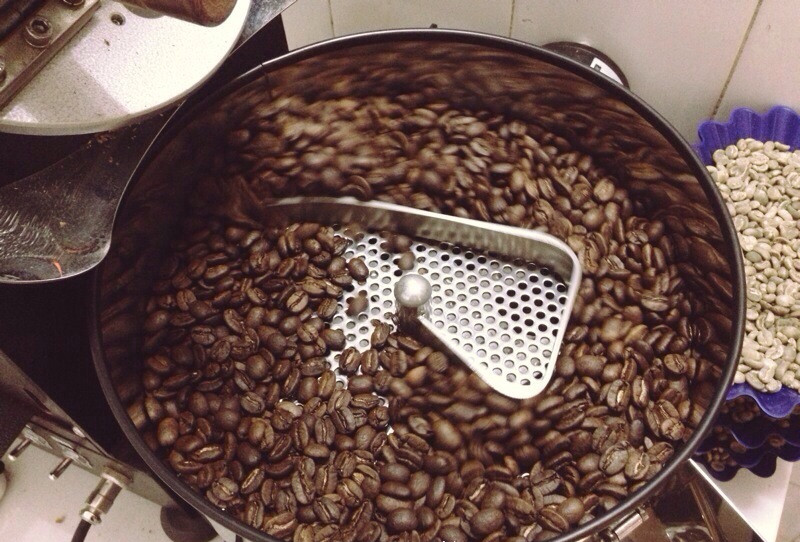
Basic chemical reactions of coffee beans during coffee roasting
Many thermal and chemical reactions take place during baking: decarbonation, dehydration of quinic acid, subdivision, isomerization, polymerization, and complex sugar reactions (caramelization). The main components of the thermal reaction are monosaccharides and sucrose, chlorogenic acid, free amino acids, and fenugreek amide. Both aravinose and calactose in the polysaccharides are transferred, and the basic vulcanization process includes hydroxylamine.
The basic chemical reactions that take place during coffee roasting
Many thermal and chemical reactions take place during baking: decarbonation, dehydration of quinic acid, subdivision, isomerization, polymerization, and complex sugar reactions (caramelization). The main components of the thermal reaction are monosaccharides and sucrose, chlorogenic acid, free amino acids, and fenugreek amide. Both aravinose and calactose in the polysaccharides are transferred, and the basic vulcanization process includes hydroxylamine.
The basic chemical reactions that take place during coffee roasting.
Many thermal and chemical reactions take place during baking: decarbonation, dehydration of quinic acid, subdivision, isomerization, polymerization, and complex sugar reactions (caramelization). The main components of the thermal reaction are monosaccharides and sucrose, chlorogenic acid, free amino acids, and fenugreek amide. Both aravinose and calactose in the polysaccharides are transferred, and the basic vulcanization process includes hydroxylamine.

Proportion of gold gouache in SCAA coffee
The proportion of SCAA fine cup coffee defined by the Gold Cup Fine Coffee Association of the United States and the scae European Fine Coffee Association must be about 20% of the coffee extraction rate, while the TDS is about 1.1% to 1.3%.

Melaleuca Coffee Machine Cleaning Video Manual Icon Descaling
Melaleuca coffee machine cleaning video manual icon descaling one. First open the lid of the tank and pull it up until it is removed from the machine, fill it with water up to the maximum mark and reinsert it. II. Press the single cup button and the on/off button simultaneously for more than two seconds. III. During this entire cleaning process, the cleaning icon blinks and the drip tray icon blinks.
The basic chemical reaction of coffee technology in the process of coffee roasting
Many thermal and chemical reactions take place during baking: decarbonation, dehydration of quinic acid, subdivision, isomerization, polymerization, and complex sugar reactions (caramelization). The main components of the thermal reaction are monosaccharides and sucrose, chlorogenic acid, free amino acids, and fenugreek amide. Both aravinose and calactose in the polysaccharides are transferred, and the basic vulcanization process includes hydroxylamine.

Introduction to the varieties of Burundian Coffee produced by the method of Grinding scale
Burundian coffee grinding scale treatment acidity (brightness) (1-10): not applicable taste (layering) (1-10): not applicable taste (alcohol thickness) (1-5): not applicable aftertaste (residue) (1-10): not applicable balance (1-5): not applicable basic score (50): not applicable total score (maximum 100): not applicable intensity /