
"melanin"
366 article(s) found

How to distinguish coffee aroma and aftertaste? What makes coffee taste?
You ask us: Why is coffee aroma and aftertaste so different? Even though the same chemicals may be involved? Here's what we found: Aftertaste in coffee refers to the taste and aroma that remains in the mouth after swallowing. Coffee aroma spreads for a long time compared to other beverages: espresso aftertaste lasts up to 15 minutes (RJ Clarke and OG Vitzthum, 2001)

[coffee roasting] what are the chemical changes in coffee beans during roasting?
Professional coffee knowledge exchange more coffee bean information please follow the coffee workshop (Wechat official account cafe_style) do you know what happens when roasting coffee beans? What are the chemical changes that transform raw coffee beans into coffee ripe beans with charming flavor and rich aroma? In the previous article, we saw that the structure of coffee beans plays an important role in the roasting process.

Boutique coffee beans | what is the reaction when coffee is roasted? why the coffee is rich in flavor
Do you know what happens when you bake coffee? What changes have taken place to turn mung beans into our favorite delicious, fragrant coffee beans? In the first part of this two-part series, we studied how the anatomical structure of coffee beans played an important role and outlined the physical changes that took place during roasting. Now, let's look at some chemical changes.

What can Crema of Espresso tell us?
During the roasting process, a large amount of carbon dioxide is produced in the coffee beans, most of which will be emitted during the cooling process, and a few will continue to be kept internally, and these gases will be released when the coffee powder is ground, so coffee must be made as soon as possible after grinding. When hot water strikes coffee powder under Espresso pressure, it will emulsify the insoluble oil of coffee powder and at the same time, it will be supersaturated.

What can Espresso's Crema tell us?
During the roasting process, a large amount of carbon dioxide is produced in the coffee beans, most of which will be emitted during the cooling process, and a few will continue to be kept internally, and these gases will be released when the coffee powder is ground, so coffee must be made as soon as possible after grinding. When hot water strikes coffee powder under Espresso pressure, it will emulsify the insoluble oil of coffee powder and at the same time, it will be supersaturated.
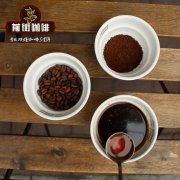
What chemical reaction changes will take place during the roasting process of coffee beans? What happened to the roasting of coffee beans
Professional coffee knowledge exchange more coffee bean information please follow the coffee workshop (Wechat official account cafe_style) coffee beans in the roasting process what chemical reactions will take place? What happened to the roasting of coffee beans? Sucrose: melting point 187.8 ℃-sugar? The conjugate = caramelization-water CO2 escapes to produce an explosive First Crack phenomenon. I measured the bean temperature 190 in the drum bean of the baking machine.

What can Espresso's Crema tell us?
During the roasting process, a large amount of carbon dioxide will be produced in the coffee beans, most of which will be emitted during the cooling process, and a small amount will continue to be stored inside. These gases will be released when grinding the coffee powder, so it is necessary to make coffee as soon as possible after grinding. When hot water hits the coffee powder under high pressure, it emulsifies the insoluble fats of the coffee powder and at the same time, it dissolves in supersaturation.

Baking basic science, browning reaction non-enzymatic browning
Following Cafe Review (official Wechat account vdailycom) found that non-enzymatic browning of Beautiful Cafe opening a small shop of its own is different from enzymatic browning. Non-enzymatic browning reactions do not require enzymes, but their reactions require heat, sugars and amino acids. There are two non-enzymatic browning reactions related to coffee roasting: caramelization (caramelization recation) and Maillard reaction.
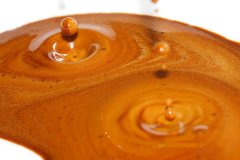
What can the Crema of Espresso learn from boutique coffee?
During the roasting process, a large amount of carbon dioxide is produced in the coffee beans, most of which will be emitted during the cooling process, and a few will continue to be kept internally, and these gases will be released when the coffee powder is ground, so coffee must be made as soon as possible after grinding. When hot water strikes coffee powder under Espresso pressure, it will emulsify the insoluble oil of coffee powder and at the same time, it will be supersaturated.

What can the Crema of Espresso tell us about coffee basics?
During the roasting process, a large amount of carbon dioxide is produced in the coffee beans, most of which will be emitted during the cooling process, and a few will continue to be kept internally, and these gases will be released when the coffee powder is ground, so coffee must be made as soon as possible after grinding. When hot water strikes coffee powder under Espresso pressure, it will emulsify the insoluble oil of coffee powder and at the same time, it will be supersaturated.

Basic knowledge of Coffee to understand caffeine
Whether coffee affects health is a topic of great concern to many people, and scientists have been debating it for many years. But so far, scientific research has not found conclusive evidence that moderate consumption of coffee is harmful to human health. Between 1970 and 1980, the results of this study were usually negative. Extensive media coverage makes people feel uneasy about the caffeine in their diet

What is the mellow thickness of coffee? How to improve in baking and cooking?
Professional coffee knowledge exchange more coffee bean information please follow the coffee workshop (Wechat official account cafe_style) What Is Body? What is alcohol thickness? You often hear coffee lovers talking about Body, which also appears in the cup test table. So what does Body mean? Body is the taste on the tip of the tongue when we drink coffee, and it's also me.

What is the Body of coffee? How to increase the alcohol thickness of coffee during roasting and brewing?
What Is Body? What is alcohol thickness? You often hear coffee lovers talking about Body, which also appears in the cup test table. So what does Body mean? Body is the taste of the tip of our tongue when we drink coffee, and it is also the thickness of alcohol mentioned in our mouth. ScottRao is in "TheProfessional Barista s Handbook".
Consciousness, coffee knowledge | Secrets in coffee Crema
What is Crema (coffee grease)? During the roasting process, a large amount of carbon dioxide is produced in the coffee beans (most will be emitted during cooling, a few will continue to be kept inside, and grinding will release these gases, so coffee must be made as soon as possible after grinding). When hot water strikes coffee powder under high pressure, it will emulsify the insoluble oil of coffee powder and become oversaturated.
Advantages and disadvantages of drinking coffee
Coffee beans contain about 100 different substances, including caffeine, tannic acid, oil and nitrogen compounds, and each 100 grams of instant coffee contains 44 to 100 mg of caffeine; each 100 grams of brewed coffee contains 64 to 124 mg of caffeine. Coffee is a stimulant that has a lot of effects on the human body. It can diuretic, stimulate the central nervous system and respiratory system, expand blood vessels, and make

The ingredients of Coffee beans explain the positive understanding of caffeine
Whether coffee affects health is a topic of great concern to many people, and scientists have been debating it for many years. But so far, scientific research has not found conclusive evidence that moderate consumption of coffee is harmful to human health. Between 1970 and 1980, the results of this study were usually negative. Extensive media coverage makes people feel uneasy about the caffeine in their diet
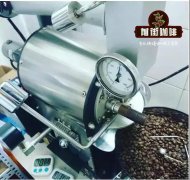
What chemical reactions take place in the process of baking beans?
Coffee itself is a kind of plant, how to show its sour, sweet, bitter, salty and other ever-changing flavor? The answer is that the raw coffee beans need to be roasted, that is, the raw coffee beans are heated in the container (roaster, hand net, etc.), and finally reach the appropriate degree of baking. Coffee beans have undergone earth-shaking changes in the process of roasting, but not just stir-fry them.

Latte | Why does a good-looking latte sometimes bubble after a while?
If you leave the latte on the table for a few minutes, sometimes the bubble will start to burst, but sometimes it won't. Why? No matter how long you throw it, sometimes the latte will bubble. If you have ever had to make a new cup of coffee after sitting on the counter for a few seconds and then taste it, you know it can be frustrating. First of all, make sure it's not your technology.
Fine Coffee study Coffee and Health knowledge
In the 1990s, due to a more rigorous and accurate testing process and a better understanding of other aspects, such as alcohol consumption, exercise habits and smoking, these studies have now been able to clarify some unresolved arguments in previous studies. In particular, it has provided a lot of new knowledge about caffeine and health. Many studies have shown that caffeine affects the human body in many ways
Coffee and health knowledge
Whether coffee affects health is a topic of great concern to many people, and scientists have been debating it for many years. But so far, scientific research has not found conclusive evidence that moderate consumption of coffee is harmful to human health. Between 1970 and 1980, the results of this study were usually negative. Extensive media coverage makes people feel uneasy about the caffeine in their diet