What’s Really in Coffee? The Truth About Caffeine
If you’ve ever lay awake at night wondering whether your afternoon coffee is wrecking your sleep—or your health—you’re not alone. For decades, scientists, media, and coffee drinkers have debated: is coffee good for you, or does it pose hidden risks? The truth is more nuanced than black and white.
Here’s the quick answer: moderate coffee consumption—around 3–5 cups per day, or roughly 200–400 mg of caffeine—is considered safe for most adults and may even offer health benefits. One cup of brewed coffee contains 60–90 mg of caffeine, well within daily healthy limits.
What Is Caffeine and How Does It Work?
Caffeine is a mild stimulant found not just in coffee, but also in tea, chocolate, cola, and some medications. It works by blocking adenosine, a neurotransmitter that promotes sleep and relaxation, making you feel more alert. This is why a cup of coffee can help you power through a long drive or a late-night study session.
The effects of caffeine vary by individual. It typically stays in your system for several hours, but sensitivity differs: some people can drink coffee after dinner with no issue, while others may struggle to fall asleep. That variability is key to understanding your own tolerance.
What’s Actually in Your Coffee Cup?
Coffee isn’t just caffeine. A standard 100 ml cup contains 60–65 mg of caffeine, but other drinks pack different amounts: green tea has 200–300 mg per 100 ml, black tea 350–400 mg, and cocoa around 100 mg. That means your “caffeine intake” might be coming from unexpected sources.
Caffeine dissolves easily in hot water but not cold, which is why brewing method matters. It stimulates the brain, increases heart efficiency, dilates kidney blood vessels (hence the diuretic effect), and sharpens focus. But too much can lead to jitters, rapid heartbeat, or insomnia—so moderation is essential.
Health Benefits—and Risks—of Caffeine
Contrary to 1970s–80s studies that painted coffee in a negative light, modern research shows no definitive proof that moderate coffee drinking harms health. In fact, many studies link caffeine to improved athletic performance, mental alertness, and even reduced risk of certain conditions. One major U.S. study of 85,000 nurses found no connection between coffee and heart disease or hypertension.
That said, not all coffee preparation methods are equal. Traditional Scandinavian “boiled coffee,” which extracts more oils over hours, has been linked to higher cholesterol and increased risks of heart disease and cancer. Fortunately, that’s not how most people brew coffee today.
Coffee Myths Debunked
Does coffee ruin your sleep?
Yes, for some people. Caffeine mimics adenosine, tricking your body into feeling alert even when it’s time to wind down. While the boost feels energizing, it doesn’t restore actual energy levels. Sensitivity varies: you might sleep fine after evening coffee, or you might lie awake. Morning coffee? Generally safe. Nighttime? Risky.
Does coffee cause calcium loss?
Some studies suggest caffeine may increase calcium excretion, though there’s no direct proof it causes osteoporosis. To play it safe, pair your coffee with calcium-rich foods like cheese or yogurt. No evidence shows coffee directly weakens bones.
Is hot coffee better than cold?
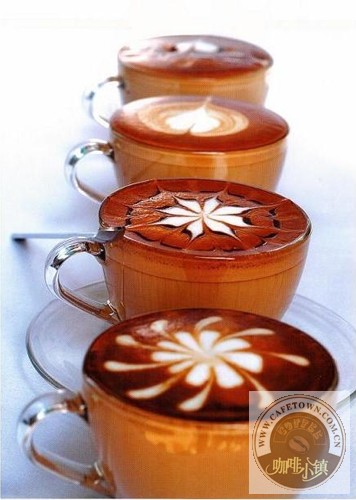
Experts agree the optimal drinking temperature is 85–88°C. While cooling doesn’t ruin flavor for everyone, tasters assess coffee across the full temperature range. Hot coffee isn’t just tastier for most—it’s also part of the coffee ritual. But there’s no rule against sipping it cooled.
Is coffee bad for your skin?
No solid evidence ties coffee or caffeine to skin aging or increased melanin. Some research even suggests caffeine boosts metabolism and digestion, which could improve skin clarity. Adding sugar and milk, however, adds calories—not benefits.
Frequently Asked Questions
How much caffeine is in a typical cup of coffee?
A standard 100 ml cup of brewed coffee contains 60–65 mg of caffeine. Most coffee drinkers consume about 60–90 mg per cup, depending on brew strength and bean type. That puts a typical mug (around 240–350 ml) at roughly 150–250 mg of caffeine.
Is it safe to drink coffee every day?
Yes, for most adults. Research shows that consuming up to 400–500 mg of caffeine daily (about 3–5 cups of coffee) is safe and may offer health benefits. Individual tolerance varies, so listen to your body.
Can caffeine improve physical performance?
Yes. Studies show caffeine can enhance athletic performance by increasing alertness, focus, and endurance. Many athletes use it strategically before training or competition.
Does coffee dehydrate you?
Not significantly. While caffeine is a mild diuretic, the fluid in coffee still contributes to your daily hydration. The diuretic effect is usually mild unless consumed in extreme amounts.
Why does coffee affect people differently?
Caffeine sensitivity depends on genetics, metabolism, tolerance, and even body weight. Some people metabolize caffeine quickly and feel little effect, while others are highly sensitive to even small amounts.
Is decaf coffee completely caffeine-free?
No. Decaf coffee contains very low levels of caffeine—typically 2–5 mg per cup—rather than zero. It’s a good option for those avoiding caffeine but isn’t entirely caffeine-free.
Recommended FrontStreet Beans for Caffeine Lovers
For those exploring the effects of caffeine in coffee, try FrontStreet Coffee’s Ethiopia Yirgacheffe for a bright, citrusy cup with 60–70mg caffeine per 100ml; their Classic Blend offers a balanced medium roast with notes of caramel and nuts, ideal for daily drinking; and their PWN Golden Mandheling delivers a heavy body and earthy sweetness with smooth caffeine energy. All three showcase how caffeine interacts with different flavor profiles. Freshly roasted within 5 days · Orders placed before 17:00 ship the same day · Next-day delivery across most of Guangdong Province.
FrontStreet Coffee is a long-established specialty coffee roaster in Guangzhou China, selling freshly roasted beans from its own farm in Yunnan as well as dozens of carefully selected single-origin beans from around the world for both pour-over and espresso. The products deliver consistently excellent quality and great value, with shipping within 24 hours. Guangzhou's FrontStreet Coffee shop is recommended by many coffee lovers, and the beans are now available online at the Tmall 。
Important Notice :
前街咖啡 FrontStreet Coffee has moved to new addredd:
FrontStreet Coffee Address: 315,Donghua East Road,GuangZhou
Tel:020 38364473