
"minimize"
978 article(s) found

The effect of coffee roasting on caffeine content The effect of caffeine on the body
Do you use coffee as an energy source for a busy day? Do you try to avoid caffeine for health reasons? About 90% of our population consumes caffeine daily. Much of coffee's appeal lies in its ability to wake you up easily and, perhaps more importantly, keep you alert. no

The basic chemical reaction of coffee knowledge during coffee roasting.
Many thermal and chemical reactions take place during baking: decarbonation, dehydration of quinic acid, subdivision, isomerization, polymerization, and complex sugar reactions (caramelization). The main components of the thermal reaction are monosaccharides and sucrose, chlorogenic acid, free amino acids, and fenugreek amide. Both aravinose and calactose in the polysaccharides are transferred, and the basic vulcanization process includes hydroxylamine.

How does the sour and bitter in coffee come from?
Many thermal and chemical reactions take place during baking: decarbonation, dehydration of quinic acid, subdivision, isomerization, polymerization, and complex sugar reactions (caramelization).
Coffee tree species are divided into three main categories: Arabica, Robersta and Liberica.
Villasarchi Velasacci is a hybrid of bourbon developed in the Costa Rican town of sarchi. The branches are at a 45-degree angle to the trunk and the leaves are bronze. Shade tree cultivation and minimal pesticide application make it an excellent organic coffee. Elegant acidity, delicate fruity flavors and nice sweetness. Caturra, Brazil, is a higher-yielding
Coffee bean moisture content knowledge how coffee bean moisture content affects coffee roasting
Professional coffee knowledge exchange more coffee bean information Please pay attention to the coffee workshop (Wechat official account cafe_style) in every stage of the coffee industry chain must reduce the moisture content of raw beans to avoid moldy beans caused by defects and defects, proper preservation can even improve the value of raw beans. Ensuring proper drying of beans is important to optimize their quality potential and minimize them.
Basic chemical reactions that occur during coffee roasting
Many thermal and chemical reactions take place during baking: decarbonation, dehydration of quinic acid, fragmentation, isomerization, polymerization, and complex sugar reactions (caramelization). The main thermally reactive components are monosaccharides and sucrose, chlorogenic acid, displaced amino acids, and trigonelline amide. Both aravinone and calactose in polysaccharides are transferred, and basic sulfurization contains hydroxyamino acids.
Caffeine and chlorogenic acid, the embodiment of angels and demons
The two main characters in the complicated coffee world are caffeine and chlorogenic acid. Both protagonists are the incarnation of angels and demons. However, with the deepening of the research, the angel face of chlorogenic acid becomes more and more attractive. How to desensitize chlorogenic acid is the baker's witchcraft. (desensitization is to minimize the negative effects of chlorogenic acid.) chlorogenic acid (CGA) is the largest and largest in coffee.
The basic chemical reaction of coffee roasting process
Many thermal and chemical reactions take place during baking: decarbonation, dehydration of quinic acid, subdivision, isomerization, polymerization, and complex sugar reactions (caramelization). The main components of the thermal reaction are monosaccharides and sucrose, chlorogenic acid, free amino acids, and fenugreek amide. Both aravinose and calactose in the polysaccharides are transferred, and the basic vulcanization contains hydroxylated amino acid.

Bonavita ceramic smart filter cup use tutorial, step-by-step cooking demonstration ~
Professional baristas please follow the coffee workshop (Wechat official account cafe_style) French news agency offers a wealth of delicious coffee, but it has two disadvantages. The first one is sediment. In order to minimize sediment, I made a practice, do not pour all the coffee into the cup, do not drink the last few sips. But occasionally I forget that my last cup of coffee will be bitter.
The basic chemical reaction that takes place during coffee roasting.
Many thermal and chemical reactions take place during baking: decarbonation, dehydration of quinic acid, subdivision, isomerization, polymerization, and complex sugar reactions (caramelization). The main components of the thermal reaction are monosaccharides and sucrose, chlorogenic acid, free amino acids, and fenugreek amide. Both aravinose and calactose in the polysaccharides are transferred, and the basic vulcanization process includes hydroxylamine.

The basic chemical reactions that take place during coffee roasting
Many thermal and chemical reactions take place during baking: decarbonation, dehydration of quinic acid, subdivision, isomerization, polymerization, and complex sugar reactions (caramelization). The main components of the thermal reaction are monosaccharides and sucrose, chlorogenic acid, free amino acids, and fenugreek amide. Both aravinose and calactose in the polysaccharides are transferred, and the basic vulcanization process includes hydroxylamine.

Basic chemical reactions of coffee beans during coffee roasting
Many thermal and chemical reactions take place during baking: decarbonation, dehydration of quinic acid, subdivision, isomerization, polymerization, and complex sugar reactions (caramelization). The main components of the thermal reaction are monosaccharides and sucrose, chlorogenic acid, free amino acids, and fenugreek amide. Both aravinose and calactose in the polysaccharides are transferred, and the basic vulcanization process includes hydroxylamine.

The basic chemical reactions that take place during coffee roasting
Many thermal and chemical reactions take place during baking: decarbonation, dehydration of quinic acid, subdivision, isomerization, polymerization, and complex sugar reactions (caramelization). The main components of the thermal reaction are monosaccharides and sucrose, chlorogenic acid, free amino acids, and fenugreek amide. Both aravinose and calactose in the polysaccharides are transferred, and the basic vulcanization process includes hydroxylamine.

How to distinguish the old street white coffee the latest information and introduction of old street white coffee
The old street white coffee tastes smooth, pure and fragrant, not greasy, without a trace of bitterness, refreshing and comfortable. After drinking, the teeth and cheeks leave fragrance and make people have endless aftertaste. Ultra-low bitterness and acidity: White coffee is baked at low temperature without caramel, removing the bitter and sour taste produced by high-temperature carbon roasting, minimizing the bitterness and acidity of coffee, and retaining the natural flavor and rich flavor of the original coffee.

The basic chemical reactions that take place during coffee roasting.
Many thermal and chemical reactions take place during baking: decarbonation, dehydration of quinic acid, subdivision, isomerization, polymerization, and complex sugar reactions (caramelization). The main components of the thermal reaction are monosaccharides and sucrose, chlorogenic acid, free amino acids, and fenugreek amide. Both aravinose and calactose in the polysaccharides are transferred, and the basic vulcanization process includes hydroxylamine.
Boutique coffee common sense roasting coffee common sense
The most important step that affects the flavor of coffee is the method of baking. There are many factors that affect baking, such as climate, humidity, hardness and water content of raw beans. Because there are so many variables, baking experience is the most important key. Before roasting, raw coffee beans have a fishy smell, and after baking, they will emit a strong aroma. And the roasting degree of coffee beans (roas)
The basic chemical reaction of coffee technology in the process of coffee roasting
Many thermal and chemical reactions take place during baking: decarbonation, dehydration of quinic acid, subdivision, isomerization, polymerization, and complex sugar reactions (caramelization). The main components of the thermal reaction are monosaccharides and sucrose, chlorogenic acid, free amino acids, and fenugreek amide. Both aravinose and calactose in the polysaccharides are transferred, and the basic vulcanization process includes hydroxylamine.

The most important step of coffee roasting knowledge affecting coffee flavor
The most important step that affects the flavor of coffee is the method of baking. There are many factors that affect baking, such as climate, humidity, hardness and water content of raw beans. Due to a lot of variables, the experience of baking is that the most important thing is that raw coffee beans have a fishy smell before roasting and give off a strong aroma after baking. And the roasting degree of coffee beans (roasti)

Gold Cup extraction Formula Gold Cup extraction Water Powder ratio Coffee Technical term Coffee term explanation
Coffee technical term: the method of making coffee from roasted coffee beans. In the procedure, there are two stages: grinding coffee beans (grinding), dissolving solids with water, separating and filtering coffee grounds (brewing). Grinding: the process of crushing cooked beans into coffee powder with proper equipment. The reason why ripe beans need to be ground into powder is for
Coffee novice basic knowledge: fresh roast coffee beans freshly ground coffee powder how to preserve?
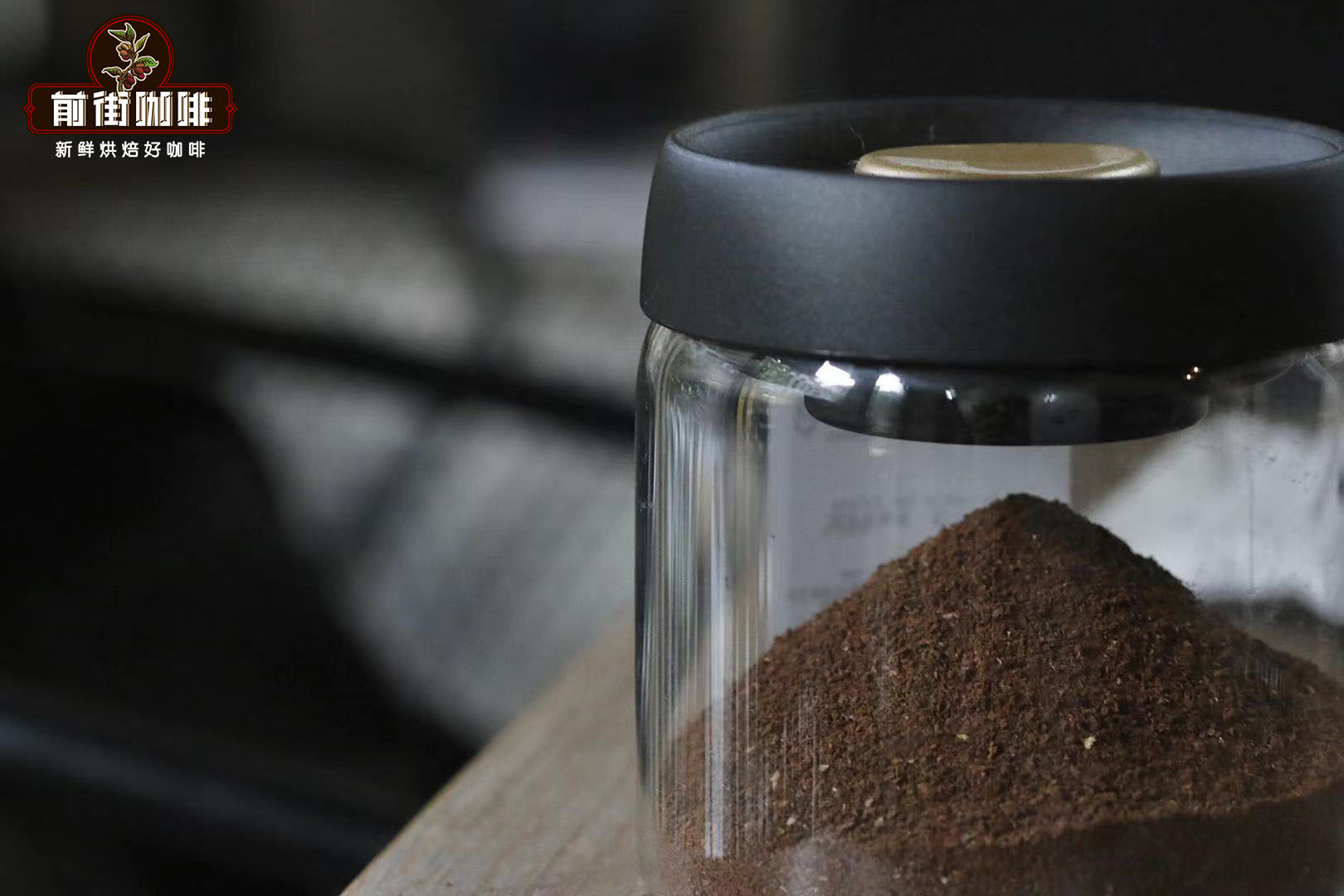
Recently, a small partner asked Qianjie: Why do coffee beans grind into powder after sticking the pores, so that the carbon dioxide in the package can not be discharged? The significance of the vent on the coffee packaging The front street seals the coffee beans immediately after roasting and cooling, which minimizes the loss of flavor from the coffee beans. But freshly roasted coffee beans produce a lot of