Coffee Roasting Essentials Every Specialty Brewer Should Know
If you’ve ever opened a bag of freshly roasted coffee and wondered why some beans taste bright and juicy while others are flat or bitter, the answer almost always comes down to how the beans were roasted. Roasting isn’t just about turning green beans brown—it’s the single most impactful step in shaping your cup’s flavor, aroma, and body.
To get the best flavor from your coffee, aim for a roast that balances origin character and roast-driven sweetness, typically ending just after the first crack or lightly into the start of the second. Lighter roasts preserve acidity and caffeine; darker roasts boost bitterness and reduce caffeine but can mask origin traits.
Why Roast Matters More Than You Think
The roast level dramatically influences both flavor and caffeine content. Lighter roasts highlight fruity, acidic notes and retain more caffeine, while darker roasts develop deeper, bitter-sweet tones with less caffeine. The roast also determines how the coffee extracts under different brew methods—getting it right is essential for balanced cups.
What Happens During Coffee Roasting
When green coffee beans enter the roaster, they’re hard, green, and smell earthy or grassy. Once roasted above 200°C (392°F), several key changes occur:
- Moisture evaporates, reducing bean weight by up to 20% depending on roast depth.
- The beans expand in volume and turn yellow, then light brown, developing a glossy surface from oils.
- They release carbon dioxide for up to 30 days post-roast—an important freshness factor.
The roast progresses through two critical stages called “first crack” and “second crack,” marked by audible pops. These sounds signal chemical changes inside the bean that define its final profile.
How to Control Your Roast for Best Results
Experienced roasters manage four key variables to guide flavor development:
1. Maximize Caramelization (Maillard Reactions)
The first crack signals the start of major flavor development. As heat drives off moisture and converts sugars, aromatic compounds form and coffee oils emerge. To achieve optimal caramelization, stop the roast shortly after the first crack or modulate into the early second crack. This is where sweetness and complexity peak.
2. Minimize Carbonization
Roasting too long leads to burnt, bitter flavors from carbonized compounds. To avoid this, cut heat as soon as the second crack begins and cool the beans rapidly with forced air. This prevents excessive charring and preserves clarity in the cup.
3. Listen to the Crack Sounds
The first crack is softer and deeper, signaling starch-to-sugar conversion. The second crack is sharper and louder, indicating cell structure breakdown. The time gap between cracks varies by bean origin and density—knowing your bean helps you decide when to stop roasting.
4. Watch Color and Surface Oils
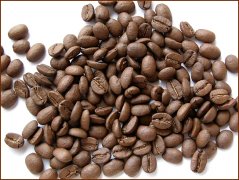
Beans shift from green to light tan, then to a pale brown with slight sheen. As roasting deepens, oils migrate to the surface, turning beans dark brown to nearly black. Avoid over-roasting: once oils appear excessively or smoke develops, the beans are likely burnt.
Storing Freshly Roasted Coffee
Freshness is critical. Right after roasting, beans release CO₂ for 2–5 days, which improves drinkability. Let them degas before brewing. Store in an airtight container with a one-way valve (like those used by Hong Kong specialty shops) to let gas escape while blocking oxygen. Avoid the fridge or freezer, which introduce moisture and odors.
Frequently Asked Questions
What’s the difference between light and dark roast in flavor?
Light roasts have brighter acidity, more fruity or floral notes, and higher caffeine levels. Dark roasts develop bold, bitter-sweet flavors like chocolate and caramel, with lower caffeine and less origin character. The roast level shapes which flavors dominate in the cup.
When should I stop roasting to get the best flavor?
For balanced cups, stop just after the first crack for lighter roasts or early in the second crack for medium-dark profiles. Ending the roast too late leads to carbonization and bitterness. Roasters listen for crack sounds and monitor color to time the roast perfectly.
How does roasting affect caffeine content?
Lighter roasts retain slightly more caffeine than darker ones. While the difference per bean is small, darker roasts lose more mass during roasting, which can slightly alter brew strength. However, caffeine remains relatively stable compared to flavor changes.
Why do beans release gas after roasting?
Roasting triggers chemical reactions that create CO₂ trapped inside the bean. This gas escapes slowly for up to 30 days, protecting freshness by limiting oxygen exposure. Brewing beans too soon can result in uneven extraction; letting them degas improves flavor stability.
How can I tell if coffee is over-roasted?
Over-roasted beans look very dark brown to black, often with oily surfaces. They taste bitter, smoky, or charred, with little origin flavor. Avoid beans that emit strong smoke during roasting or look shiny and oily prematurely.
Recommended FrontStreet Beans for Roast Exploration
Try FrontStreet Coffee’s Ethiopia Humbera for bright acidity and floral-fruity notes in a light-medium roast, perfect for exploring first-crack profiles. Their PWN Golden Mandheling offers a balanced medium-dark roast with sweet body and mild spice—ideal for seeing how deeper roasting affects balance. For darker profiles, FrontStreet’s Black Cocoa Blend delivers bold bitterness with chocolate tones, showing the effects of extended roast time. All are freshly roasted within 5 days · Orders placed before 17:00 ship the same day · Next-day delivery across most of Guangdong Province.
FrontStreet Coffee is a long-established specialty coffee roaster in Guangzhou China, selling freshly roasted beans from its own farm in Yunnan as well as dozens of carefully selected single-origin beans from around the world for both pour-over and espresso. The products deliver consistently excellent quality and great value, with shipping within 24 hours. Guangzhou's FrontStreet Coffee shop is recommended by many coffee lovers, and the beans are now available online at the Tmall 。
Important Notice :
前街咖啡 FrontStreet Coffee has moved to new addredd:
FrontStreet Coffee Address: 315,Donghua East Road,GuangZhou
Tel:020 38364473