
"niacin"
86 article(s) found

Development of vegetable protein coffee beverage and analysis of its flavor characteristics
Firstly, the optimum roasting conditions of two kinds of Yunnan coffee beans (2-1 Mreca 2-2 murX) were studied, and the changes of the contents of trigonelline, chlorogenic acid, niacin and caffeine during baking were analyzed. In addition, a new type of beverage, coffee bean milk beverage, was developed, and its optimum ratio was determined, and the factors affecting the stability of coffee bean milk beverage were studied. 2-1 the optimum roasting of Murray M.

The basic chemical reaction of coffee knowledge during coffee roasting.
Many thermal and chemical reactions take place during baking: decarbonation, dehydration of quinic acid, subdivision, isomerization, polymerization, and complex sugar reactions (caramelization). The main components of the thermal reaction are monosaccharides and sucrose, chlorogenic acid, free amino acids, and fenugreek amide. Both aravinose and calactose in the polysaccharides are transferred, and the basic vulcanization process includes hydroxylamine.

Coffee and Nutrition
Coffee contains a small amount of nutrients. Every 100 grams of coffee beans contain 2.2 grams of moisture, 12.6 grams of protein, 16 grams of fat, 46.7 grams of sugar, 9 grams of cellulose, 4.2 grams of ash, 120 milligrams of calcium, 170 milligrams of phosphorus, 42 milligrams of iron, 3 milligrams of sodium, 0.12 grams of vitamin B2, 3.5 milligrams of nicotinic acid, 1.3 grams of caffeine and 8 grams of tannins.

What are the nutrients in coffee and nutritious coffee
Coffee contains a small amount of nutrients. Every 100 grams of coffee beans contain 2.2 grams of moisture, 12.6 grams of protein, 16 grams of fat, 46.7 grams of sugar, 9 grams of cellulose, 4.2 grams of ash, 120 milligrams of calcium, 170 milligrams of phosphorus, 42 milligrams of iron, 3 milligrams of sodium, 0.12 grams of vitamin B2, 3.5 milligrams of nicotinic acid, 1.3 grams of caffeine and 8 grams of tannins.
The main uses of coffee grounds
Coffee grounds are the dregs left over from the extraction of coffee, isn't it? In fact, every 100 grams of coffee beans are rich in 12.6 grams of protein, 9 grams of cellulose, 4.2 grams of ash, 120 milligrams of calcium, 170 milligrams of phosphorus, 42 milligrams of iron, 3 milligrams of sodium, 0.12 grams of vitamin B2, 3.5 milligrams of niacin, 1.3 grams of caffeine and 8 grams of tannins. It can be said that the coffee grounds after extraction are nutritious and comprehensive.
Basic knowledge of boutique coffee the main uses of coffee grounds
Coffee grounds are the dregs left over from the extraction of coffee, isn't it? In fact, every 100 grams of coffee beans are rich in 12.6 grams of protein, 9 grams of cellulose, 4.2 grams of ash, 120 milligrams of calcium, 170 milligrams of phosphorus, 42 milligrams of iron, 3 milligrams of sodium, 0.12 grams of vitamin B2, 3.5 milligrams of niacin, 1.3 grams of caffeine and 8 grams of tannins. It can be said that the coffee grounds after extraction are nutritious and comprehensive.
"Coffee roaster companion" the chemical substances of raw beans the structure and changes of coffee beans
Chapter 2: chemical substances of raw beans author: Scott Rao translator: Huaxia coffee raw beans are strong and green seeds, 50% of which are different forms of carbohydrates, and the other 50% are composed of water, proteins, lipids, acids, and various biological bases. Coffee roasters can bake good coffee without knowing the many chemicals in raw beans, but

The main purpose of coffee grounds coffee grounds is clean hands
Coffee grounds are the dregs left over from the extraction of coffee, right? In fact, every 100 grams of coffee beans are rich in protein 12.6 grams, cellulose 9 grams, ash 4.2 grams, calcium 120 mg, phosphorus 170 mg, iron 42 mg, sodium 3 mg, vitamin B2 0.12 grams, niacin 3.5 mg, caffeine 1.3 grams, tannin 8 grams. It can be said to be rich in nutrients and comprehensive, extracted coffee grounds
High-quality coffee the main uses of coffee grounds
Coffee grounds are the dregs left over from the extraction of coffee, isn't it? In fact, every 100 grams of coffee beans are rich in 12.6 grams of protein, 9 grams of cellulose, 4.2 grams of ash, 120 milligrams of calcium, 170 milligrams of phosphorus, 42 milligrams of iron, 3 milligrams of sodium, 0.12 grams of vitamin B2, 3.5 milligrams of niacin, 1.3 grams of caffeine and 8 grams of tannins. It can be said that the coffee grounds after extraction are nutritious and comprehensive.
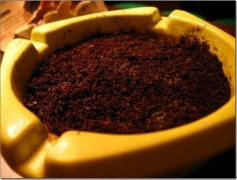
A detailed explanation of the use of Coffee grounds
Coffee grounds are the dregs left over from the extraction of coffee, isn't it? In fact, every 100 grams of coffee beans are rich in 12.6 grams of protein, 9 grams of cellulose, 4.2 grams of ash, 120 milligrams of calcium, 170 milligrams of phosphorus, 42 milligrams of iron, 3 milligrams of sodium, 0.12 grams of vitamin B2, 3.5 milligrams of niacin, 1.3 grams of caffeine and 8 grams of tannins. It can be said that the coffee grounds after extraction are nutritious and comprehensive.

The main use of coffee grounds can be deodorization, deodorization and cosmetology.
Coffee grounds are the dregs left over from the extraction of coffee, isn't it? In fact, every 100 grams of coffee beans are rich in 12.6 grams of protein, 9 grams of cellulose, 4.2 grams of ash, 120 milligrams of calcium, 170 milligrams of phosphorus, 42 milligrams of iron, 3 milligrams of sodium, 0.12 grams of vitamin B2, 3.5 milligrams of niacin, 1.3 grams of caffeine and 8 grams of tannins. It can be said that the coffee grounds after extraction are nutritious and comprehensive.
How much do you know about coffee's innocence? Not only contains caffeine
In the past, people didn't pay much attention to the complex chemicals in coffee when they enjoyed it. People are mainly interested in the refreshing effect of coffee, rather than the health effects of drinking coffee regularly.
What are the ingredients in a cup of coffee? what are the effects of the ingredients in coffee on the human body?
Communication of professional baristas Please pay attention to the coffee workshop (Wechat official account cafe_style) Coffee has a good aroma, refreshing taste, and is loved by everyone. Only ingredients and indications are important because it is often drunk every day. What is the nutritional value and effect of coffee? Coffee ingredients and indications about 99% of coffee (liquid) is water. Including protein and

The difference between light-roasted coffee and deep-roasted coffee how to drink the coffee beans in the right amount?
Vitamins, minerals and antioxidants in deep-roasted coffee can provide important health benefits. For example, riboflavin is an important component of healthy cell growth and development. It helps maintain your blood and helps your body process amino acids into usable forms. Deep-roasted coffee is also pantothenic acid or vitamin B5.

Authorities tell you ten reasons for drinking coffee
Following Kaibei (Wechat official account vdailycom) found that the Beautiful Cafe opened a small shop of its own. According to statistics, Germans drink 150 litres of coffee each year. This is equivalent to Germans drinking a bottle of coffee in 330 milliliters of mineral water a day; but according to the latest analysis of an economist who graduated from Harvard University, it can be concluded that drinking more coffee has a lot of benefits, even guaranteed.

What is the basic knowledge that coffee beginners must know?
Coffee (Coffee) (the word comes from a small town in Ethiopia called kaffa, and in Greek Kaweh means strength and passion. Tea, coffee and cocoa are called the three major drinks in the world. Coffee tree is a small evergreen tree of Rubiaceae. Daily coffee is made of coffee beans combined with a variety of cooking utensils, and coffee beans refer to coffee fruit.
How does the sour and bitter in coffee come from?
Many thermal and chemical reactions take place during baking: decarbonation, dehydration of quinic acid, subdivision, isomerization, polymerization, and complex sugar reactions (caramelization).
Basic chemical reactions that occur during coffee roasting
Many thermal and chemical reactions take place during baking: decarbonation, dehydration of quinic acid, fragmentation, isomerization, polymerization, and complex sugar reactions (caramelization). The main thermally reactive components are monosaccharides and sucrose, chlorogenic acid, displaced amino acids, and trigonelline amide. Both aravinone and calactose in polysaccharides are transferred, and basic sulfurization contains hydroxyamino acids.
Coffee is good for health.
Many people think that drinking coffee is a sin to enjoy, because coffee contains caffeine, which is not good for health.
High-quality coffee common sense coffee nutrition composition table
Coffee mainly contains: 1. Caffeine; 2. Tannic acid; 3. Fat; 4. Protein; 5. Sugar; 6. Fiber; 7. Minerals. Every 100 grams of coffee liquid contains 99.5 grams of water, 0.2 grams of protein, 0.1 grams of fat, 0.1 grams of ash, trace sugars, 3 mg of calcium, 4 mg of phosphorus, 2 mg of sodium, 0.01 mg of vitamin B2 and 0.3 mg of nicotinic acid. Put 10 grams of coffee