
"niacin"
86 article(s) found

What else does coffee contain besides caffeine?
Caffeine is a very small part of the bioactive mixture found in properly roasted coffee. Other substances include: (1) antioxidant chlorogenic acid (CGA); (2) active lactone (known as quinidine), formed by CGA3 when roasted properly; (3) nicotinic acid; and (4) minerals (manganese, potassium, iron, zinc, etc.). The final amount of caffeine varies from cup to cup, Allah.

Ground coffee powder Main ingredient Coffee beans Coffee ingredients Single coffee
In my opinion, coffee making is a trivial matter, and it is always fun to forget the form and try something new. Caffeine: Perhaps one of the most well-known ingredients, caffeine boosts body function and improves brain power. Caffeine can also generate heat. Taking caffeine before exercise can improve mood and reduce fatigue.

Experts reveal how drinking coffee is best for human health.
Many people think that drinking coffee is a sin to enjoy, because coffee contains caffeine, which is not good for health.
The basic chemical reaction of coffee roasting process
Many thermal and chemical reactions take place during baking: decarbonation, dehydration of quinic acid, subdivision, isomerization, polymerization, and complex sugar reactions (caramelization). The main components of the thermal reaction are monosaccharides and sucrose, chlorogenic acid, free amino acids, and fenugreek amide. Both aravinose and calactose in the polysaccharides are transferred, and the basic vulcanization contains hydroxylated amino acid.
The basic chemical reaction that takes place during coffee roasting.
Many thermal and chemical reactions take place during baking: decarbonation, dehydration of quinic acid, subdivision, isomerization, polymerization, and complex sugar reactions (caramelization). The main components of the thermal reaction are monosaccharides and sucrose, chlorogenic acid, free amino acids, and fenugreek amide. Both aravinose and calactose in the polysaccharides are transferred, and the basic vulcanization process includes hydroxylamine.

The basic chemical reactions that take place during coffee roasting
Many thermal and chemical reactions take place during baking: decarbonation, dehydration of quinic acid, subdivision, isomerization, polymerization, and complex sugar reactions (caramelization). The main components of the thermal reaction are monosaccharides and sucrose, chlorogenic acid, free amino acids, and fenugreek amide. Both aravinose and calactose in the polysaccharides are transferred, and the basic vulcanization process includes hydroxylamine.
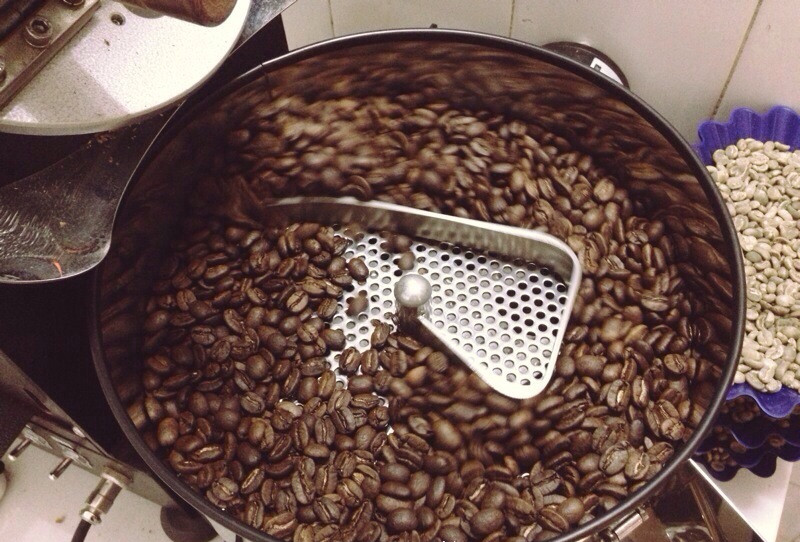
Basic chemical reactions of coffee beans during coffee roasting
Many thermal and chemical reactions take place during baking: decarbonation, dehydration of quinic acid, subdivision, isomerization, polymerization, and complex sugar reactions (caramelization). The main components of the thermal reaction are monosaccharides and sucrose, chlorogenic acid, free amino acids, and fenugreek amide. Both aravinose and calactose in the polysaccharides are transferred, and the basic vulcanization process includes hydroxylamine.
The basic chemical reactions that take place during coffee roasting
Many thermal and chemical reactions take place during baking: decarbonation, dehydration of quinic acid, subdivision, isomerization, polymerization, and complex sugar reactions (caramelization). The main components of the thermal reaction are monosaccharides and sucrose, chlorogenic acid, free amino acids, and fenugreek amide. Both aravinose and calactose in the polysaccharides are transferred, and the basic vulcanization process includes hydroxylamine.
The basic chemical reactions that take place during coffee roasting.
Many thermal and chemical reactions take place during baking: decarbonation, dehydration of quinic acid, subdivision, isomerization, polymerization, and complex sugar reactions (caramelization). The main components of the thermal reaction are monosaccharides and sucrose, chlorogenic acid, free amino acids, and fenugreek amide. Both aravinose and calactose in the polysaccharides are transferred, and the basic vulcanization process includes hydroxylamine.
The basic chemical reaction of coffee technology in the process of coffee roasting
Many thermal and chemical reactions take place during baking: decarbonation, dehydration of quinic acid, subdivision, isomerization, polymerization, and complex sugar reactions (caramelization). The main components of the thermal reaction are monosaccharides and sucrose, chlorogenic acid, free amino acids, and fenugreek amide. Both aravinose and calactose in the polysaccharides are transferred, and the basic vulcanization process includes hydroxylamine.
Coffee contains more nutrients than many important foods
Nowadays, food chemistry is becoming more and more important to our lives, because a series of serious diseases are related to our diet, and it is estimated that there are three deaths in the United States each year. These diseases include the heart.

Coffee enema is suitable for people who do intestinal detoxification.
Bowel cancer is a high incidence of cancer. 75% of the body's detoxification is accomplished through defecation. Constipation will produce stools and produce a large amount of toxins in the body, which will lead to the occurrence of bowel cancer. Hunan Satellite TV's Encyclopedia said that it brings us a new method of large intestine detoxification. At present, colorectal detoxification is listed as an alternative therapy in Europe and the United States. Suitable for people who do intestinal detoxification: 1. Constipation, poor defecation or
The basic chemical reaction that takes place during coffee roasting.
Basic chemical reactions that occur during coffee roasting author: Carl Staub originates from the SCAA baking color classification system, developed by Agtron SCAA 1995 original text from: http://www.sweetmarias.com/roast.carlstaub.html translation: Grant, http://www.baristacn.com/forum/thread-1583-1-1.html in the roasting process
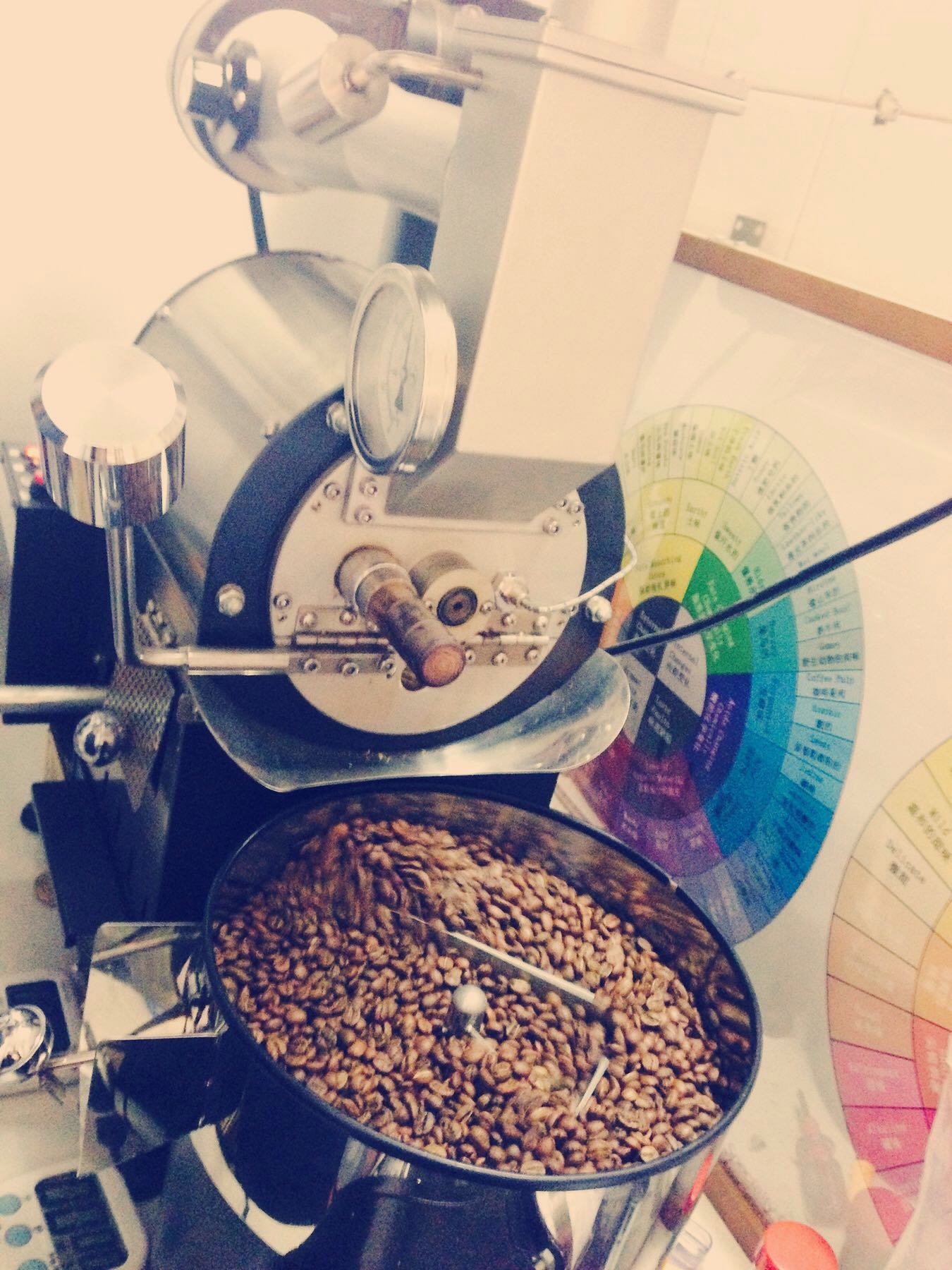
Key points of coffee roasting techniques: basic chemical reactions that take place during coffee roasting
Basic chemical reactions that occur during coffee roasting author: Carl Staub originates from the SCAA baking color classification system, developed by Agtron SCAA 1995 original text from: http://www.sweetmarias.com/roast.carlstaub.html translation: Grant, http://www.baristacn.com/forum/thread-1583-1-1.html in the roasting process
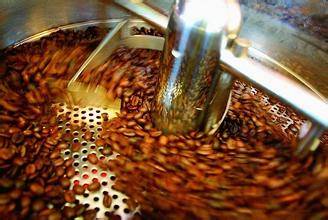
The basic chemical reaction that occurs during coffee roasting. The ingredients produced by the degree of coffee roasting.
Basic chemical reactions that occur during coffee roasting author: Carl Staub originates from the SCAA baking color classification system, developed by Agtron SCAA 1995 original text from: http://www.sweetmarias.com/roast.carlstaub.html translation: Grant, http://www.baristacn.com/forum/thread-1583-1-1.html in the roasting process

The beneficial ingredients in coffee. How about coffee?
In the United States, more than half of us drink coffee every day, and most of us are familiar with the warmth, aroma and delicacy of coffee. Coffee brings not only refreshing effect, but also unforgettable sensory enjoyment. That's why we can't do without coffee every day. Do you know? Coffee is not only delicious, but also good for health. Drinking coffee for a long time is helpful to control.
Beneficial substances in coffee the benefits of drinking coffee
In the United States, more than half of us drink coffee every day, and most of us are familiar with the warmth, aroma and delicacy of coffee. Coffee brings not only refreshing effect, but also unforgettable sensory enjoyment. That's why we can't do without coffee every day. Do you know? Coffee is not only delicious, but also good for health. Drinking coffee for a long time is helpful to control.

Diet attention often drink coffee loss calcium
People are always trying to preserve the nutrients of all kinds of food. Little do you know, some things around you, even some healthy habits will secretly steal your nutrition. Recently, Taiwan's Kang

5 bad habits unconsciously lose your nutrition.
1. Drink coffee regularly: steal calcium. Too much coffee increases the risk of osteoporosis, and American dietitian Paul believes that caffeine dissolves calcium in bones. Remedy: add 1500 milligrams of calcium a day and remember to add 1937 milligrams of calcium for every extra cup of coffee. You can add two spoonfuls of milk to each cup of coffee. The most important thing is no more than four cups of coffee a day. two。 Month