
"non-coffee"
736 article(s) found

Ethiopia Coffee Bean Flavor Manor introduces Ethiopian boutique coffee beans
Ethiopian coffee beans grow in close to the natural environment, after years of planting under the same growth conditions, Ethiopian coffee beans have gradually adapted to the environment here. More than 60% of coffee beans are grown in forests or semi-forests. Large-scale coffee-growing villages account for about 35% of the country's total coffee production. Many of these are used.
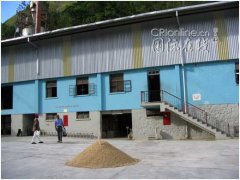
Visit the advantaged natural conditions of Lanshan Coffee processing Plant
International online report (Mexico-based reporter Zhang Ling): as a non-coffee enthusiast, I don't do much research on coffee. However, when I heard that I had the opportunity to go to Jamaica for an interview, the first thing that occurred to many of my friends was that I could appreciate the true flavor of the world's top Blue Mountain coffee and expressed envy. Blue Mountain Coffee? The name is very poetic, after all

Characteristics of Honduran Coffee Development of Honduran Coffee
The upheaval may have made Honduras a seemingly unpopular coffee-producing region, but it is one of Central America's leading coffee exporters, second only to Guatemala. Seventh Indonesia: it seems that the annual output of cat shit can also be forgotten: 702000 tons of coffee producers in Java and Bali focus on growing and processing specific varieties of coffee beans.

Coffee producing and growing areas in Ethiopia
Ethiopian coffee beans grow in close to the natural environment, after years of planting under the same growth conditions, Ethiopian coffee beans have gradually adapted to the environment here. More than 60% of coffee beans are grown in forests or semi-forests. Large-scale coffee-growing villages account for about 35% of the country's total coffee production. Many of these are used.

The unique natural conditions of the Blue Mountain Coffee processing Factory
International online report (Mexico-based reporter Zhang Ling): as a non-coffee enthusiast, I don't do much research on coffee. However, when I heard that I had the opportunity to go to Jamaica for an interview, the first thing that occurred to many of my friends was that I could appreciate the true flavor of the world's top Blue Mountain coffee and expressed envy. Blue Mountain Coffee? The name is very poetic, after all

Which is healthier, coffee or tea?
Which is healthier, coffee or tea? There is no need to argue. Coffee and tea are among the top three drinks in the world, and they must be healthy, otherwise human beings would not drink so much. However, since this question has been raised and answered, we might as well listen to it.

Starbucks Coffee Bean Grinding Degree Classification Production Area Manor Introduction
Starbucks sells coffee beans roasted in four locations: Kent, Washington; York, Pennsylvania; Carson Valley, Nevada; and Amsterdam, Netherlands. Coffee beans are vacuum-packed immediately after roasting. These packages are equipped with a pressure valve to allow coffee beans

Visit the store | DoDo Coffee: what I want to do is a boutique coffee shop
Professional baristas follow the Coffee Workshop (official Wechat account cafe_style) between 2006 and 2008, street beverages such as milk tea were gradually replaced by cups with a green girl's portrait logo; at that time you may not know much about Starbucks, but you must have some idea of the word coffee. The barista in DoDo Coffee made a cup of essence on the spot.

Introduction to boutique coffee and mocha coffee
Mocha gives the impression of sweet chocolate coffee. In fact, authentic mocha coffee is only produced in the Republic of Yemen in the southwest of the Arabian Peninsula, grows on steep hillsides at elevations of 3, 000 to 8, 000 feet, and is the oldest coffee in the world. Mocha (CafeMocha) is a mixture of espresso, chocolate sauce, whipped cream and milk. Mocha gets its name.

High quality Coffee production and sales of Coffee from Ethiopia Coffee
Ethiopian coffee beans grow in close to the natural environment, after years of planting under the same growth conditions, Ethiopian coffee beans have gradually adapted to the environment here. More than 60% of coffee beans are grown in forests or semi-forests. Large-scale coffee-growing villages account for about 35% of the country's total coffee production. Many of these are used.

Introduction to Coffee Culture and Flavor in Ethiopia
Sustainable coffee culture Ethiopian coffee beans grow in close to the natural environment, after years of planting under the same growth conditions, Ethiopian coffee beans have gradually adapted to the environment here. More than 60% of coffee beans are grown in forests or semi-forests. The villages that grow coffee in large areas account for about the total amount of coffee produced in the country.
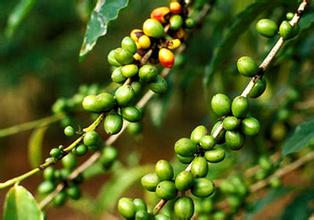
Introduction to the characteristic flavor of four forms of Ethiopian coffee beans grown and produced in Ethiopia coffee
Growth and production patterns: there are four growth production patterns in Ethiopia, and 95% of coffee is produced from these types or systems. 1. Forest grows in southern and southwestern Ethiopia, mostly wild or under natural forests. It provides natural shade for coffee trees, but the resistance is slightly weak. This production system accounts for about

Coffee lovers don't have to worry about getting high blood pressure!
The perennial argument against drinking coffee is that it raises blood pressure. High blood pressure should not be underestimated, which puts you at risk of stroke and heart attack. According to foreign media reports, the fact is that coffee does not increase the risk of high blood pressure. Italian researcher Dr. Giuseppe Grosso says it will only cause your blood pressure to jolt within hours of drinking it.
The effect of Coffee on Human body Coffee prevents Cancer
Men are actually more vulnerable under their strong appearance. They are more vulnerable than women. Men are vulnerable because they have more bad habits than women, such as smoking and drinking. If you are particularly addicted to smoking, beware of bladder cancer, but if you can't help it for a while, you might as well drink some coffee often, which will help reduce the number of smokers.

Ethiopian Coffee Manor Ted Manor Ethiopian Coffee producing area
Ethiopian coffee beans grow in close to the natural environment, after years of planting under the same growth conditions, Ethiopian coffee beans have gradually adapted to the environment here. More than 60% of coffee beans are grown in forests or semi-forests. Large-scale coffee-growing villages account for about 35% of the country's total coffee production. Many of these are used.

Blue Mountain Coffee processing Factory has unique natural conditions to create top coffee beans.
International online report (Mexico-based reporter Zhang Ling): as a non-coffee enthusiast, I don't do much research on coffee. However, when I heard that I had the opportunity to go to Jamaica for an interview, the first thing that occurred to many of my friends was that I could appreciate the true flavor of the world's top Blue Mountain coffee and expressed envy. Blue Mountain Coffee? The name is very poetic, after all

Ethiopian Coffee Bean Flavor Manor introduces Ethiopian Coffee Brands
Ethiopian coffee beans grow in close to the natural environment, after years of planting under the same growth conditions, Ethiopian coffee beans have gradually adapted to the environment here. More than 60% of coffee beans are grown in forests or semi-forests. Large-scale coffee-growing villages account for about 35% of the country's total coffee production. Many of these are used.

What kind of coffee is the waiting coffee in the coffee shop? Introduction of Italian coffee to be used
Professional coffee knowledge exchange more coffee bean information Please follow the coffee workshop (Wechat official account cafe_style) [unused coffee] (suspended coffee) this new concept originated in Naples, Italy. People pay in advance in coffee shops. Once they find that there are poor, old and weak people who cannot afford to drink coffee, they will take the initiative to provide it to each other. This method has attracted the attention of many people.

Introduction of Ethiopian Coffee producing areas with unique Natural conditions
Ethiopian coffee beans grow in close to the natural environment, after years of planting under the same growth conditions, Ethiopian coffee beans have gradually adapted to the environment here. More than 60% of coffee beans are grown in forests or semi-forests. Large-scale coffee-growing villages account for about 35% of the country's total coffee production. Many of these are used.

Coffee healthy living Coffee can fight liver cancer?
Foreign studies have found that people who drink a lot of coffee every day are 55% less likely to develop liver cancer than the average person. Can a cup of coffee reduce the risk of liver cancer? In the August issue of the American journal Hepatology, there is an excerpt of ten new reports on coffee and liver research. These studies have been reviewed by many researchers, including Fu from the Institute in Milan, Italy.