Why Jamaica Blue Mountain Coffee Is So Special
When friends heard I was heading to Jamaica, their first question wasn’t about reggae or beaches—it was whether I’d finally get to taste real Jamaica Blue Mountain coffee. Everyone’s heard of it, but few know why it commands such legendary status. What makes this coffee so uniquely good that it’s become a global benchmark for excellence?
The short answer: a combination of rare altitude, volcanic soil, cloud cover, and strict government regulation limits production to just 170 tonnes a year—less than 0.003% of global coffee output—with only beans grown above 1,800 metres earning the official ‘Blue Mountain’ certification.
The Unique Natural Conditions Behind Blue Mountain Coffee
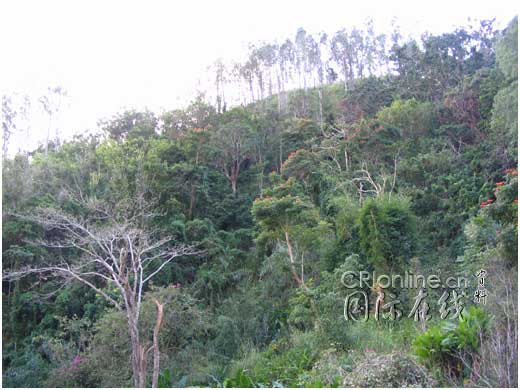
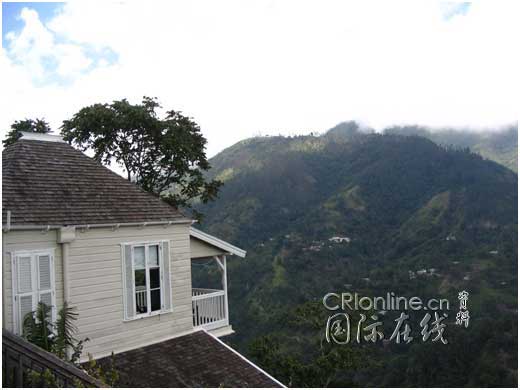
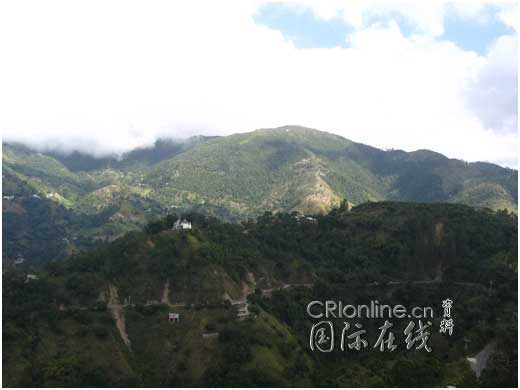
The name ‘Blue Mountain’ comes from the optical illusion created by the reflection of light off the Caribbean Sea—the mountains appear to glow blue from a distance. This breathtaking range rises over 1,800 metres, with the highest peak, Blue Mountain Peak, at 2,256 metres, the tallest in the Caribbean. The region’s climate is unusually stable: frequent cloud cover shields coffee trees from intense sun, while cool daytime temperatures and warm nights create a wide diurnal range. Add to that rich, young volcanic soils and consistent rainfall, and you have ideal conditions for slow cherry maturation and complex flavour development. The famous ‘golden beans’ of Blue Mountain grow exclusively above 1,800 metres—transplant them elsewhere and the flavour simply doesn’t replicate.
How Blue Mountain Coffee Became World Famous
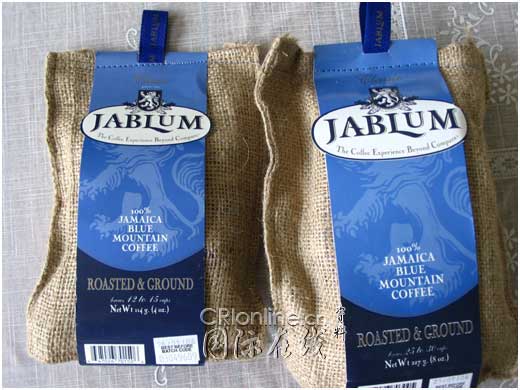
Coffee was introduced to Jamaica in 1723 by a French naval officer from Haiti. It remained a minor crop until the mid-1800s, when freed slaves began cultivating high-altitude plots in the Blue Mountains and exporting to Britain. The upper class embraced its smooth profile, but it wasn’t until 1932—when the Jamaican government promoted coffee to reduce reliance on sugar—that the industry gained real momentum. Today, production is tightly controlled: the Coffee Industry Board certifies every bean, and only those meeting rigorous standards can carry the official ‘Blue Mountain’ label. With annual output under 40,000 bags (each 60kg), supply is scarce. Roughly 85% is exported to Japan, with limited quantities reaching Europe and almost none to China—meaning most ‘Blue Mountain’ sold domestically is counterfeit. Paradoxically, in Kingston supermarkets, certified beans sell for around $5 (114g) or $10 (227g)—far more affordable than their global prestige suggests.
Inside a Real Blue Mountain Coffee Processing Factory
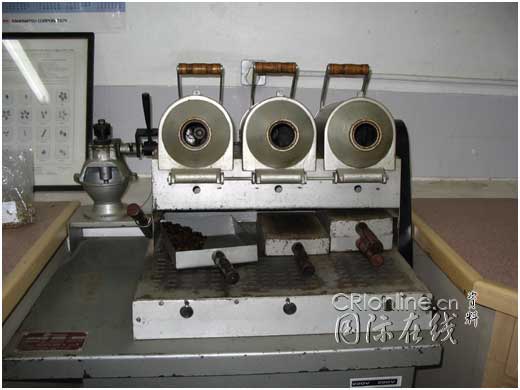
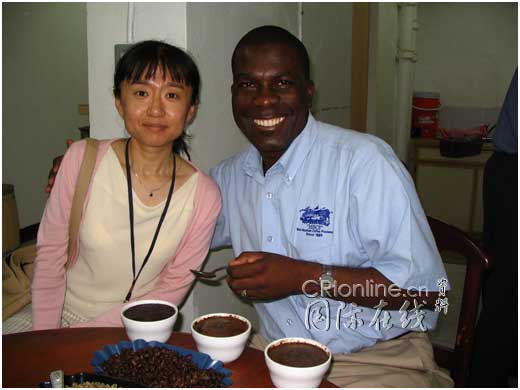
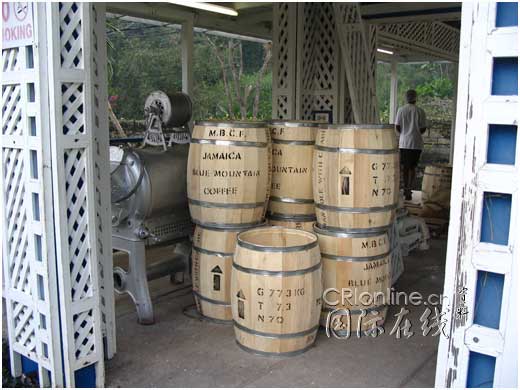
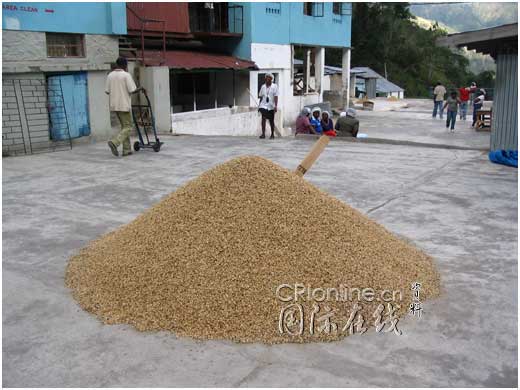
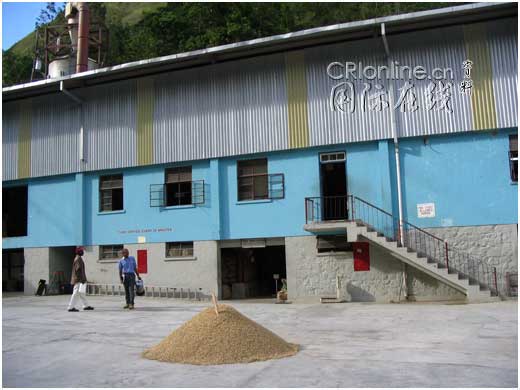
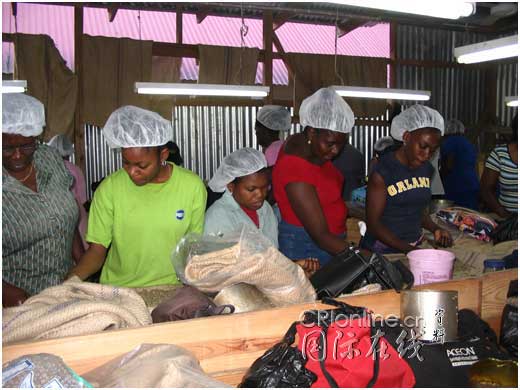
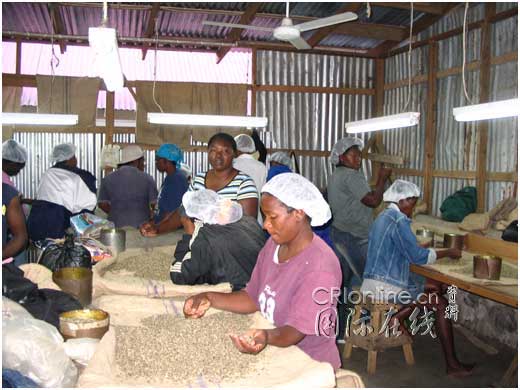
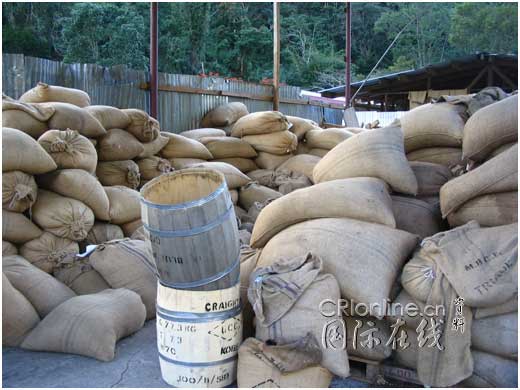
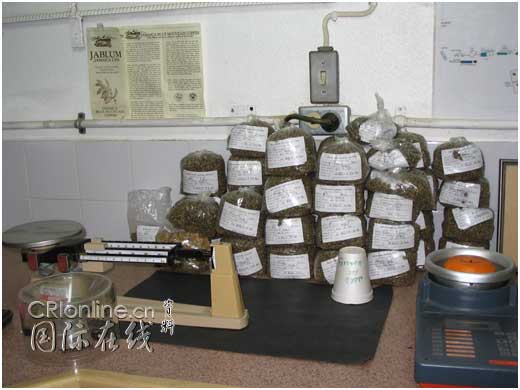
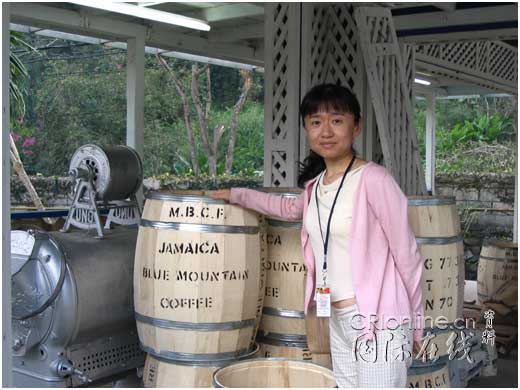
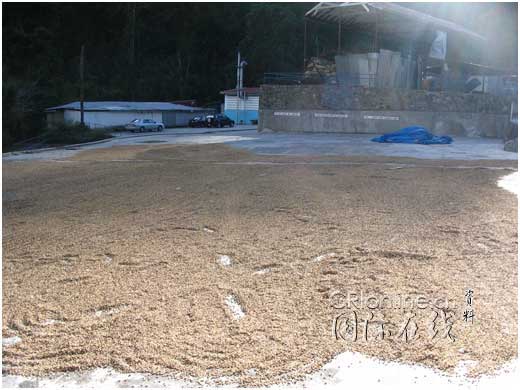
At the Mavis Bank Central Factory, Jamaica’s largest processing facility (home to the popular JABLUM brand), the operation is surprisingly modest: a two-storey building and a sorting room staffed mostly by women. Workers handpick and sort beans under strict protocols, rejecting any that don’t meet grade standards. Even after harvest, beans are spread on concrete patios to dry naturally—a traditional method still preferred here. Transport relies on old-fashioned wooden barrels (15kg, 45kg, or 70kg), the last country to use them for coffee. These barrels, along with the beans themselves, are key markers of authenticity. During our visit, factory manager and senator Norman Grant emphasized the meticulous process: every stage, from picking to roasting, follows exacting standards. Most sorting and post-harvest work is done manually to preserve quality. Though his factory hasn’t yet exported to China, Grant expressed strong interest—and joked about offering discounted bulk pricing.
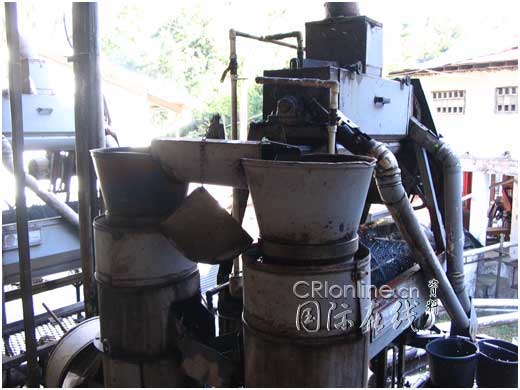
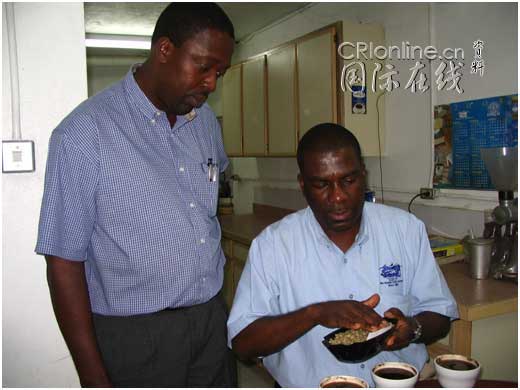
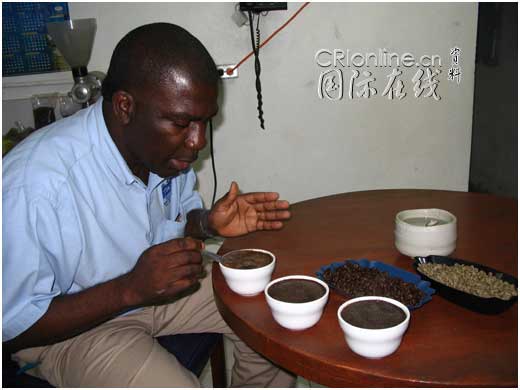
While the factory may look humble compared to industrial plants, its scale reflects market reality: JABLUM dominates local shelves and airport duty-free stores, proving that prestige doesn’t require flashy facilities. Visitors can sample different grades, though experts like Grant typically spit out their sips during tastings—focusing on evaluating rather than enjoying. Every bean here is a testament to why Blue Mountain remains unmatched.
Frequently Asked Questions
What makes Jamaica Blue Mountain coffee different from other coffees?
Jamaica Blue Mountain coffee is grown at elevations above 1,800 metres in the Blue Mountains of Jamaica, where unique conditions—cool temperatures, high humidity, volcanic soil, and dense cloud cover—create a slow maturation process. This results in a balanced cup with mild acidity, medium body, and notes of nuts, chocolate, and citrus. Only beans certified by the Jamaican Coffee Industry Board from this specific region can be called ‘Jamaica Blue Mountain’.
Why is Jamaica Blue Mountain coffee so expensive?
The high price is due to extremely limited production—just 170 tonnes annually, less than 0.003% of global coffee output. About 85% is exported to Japan, with minimal availability elsewhere. Strict government certification ensures only beans meeting rigorous quality standards from the designated high-altitude zone (above 1,800m) can carry the Blue Mountain label, further restricting supply.
Where is Blue Mountain coffee grown?
Authentic Blue Mountain coffee is grown only in the Blue Mountains of eastern Jamaica, specifically above 1,800 metres altitude. The region’s unique microclimate—shaped by Caribbean Sea breezes, cloud cover, and fertile volcanic soils—creates the conditions necessary for its distinctive flavour profile.
How can you tell if Blue Mountain coffee is real?
Genuine Jamaica Blue Mountain coffee must have certification from the Jamaican Coffee Industry Board. Look for documentation or origin proof from certified importers. Authentic beans are traditionally transported in 15kg, 45kg, or 70kg wooden barrels—a hallmark of true Blue Mountain coffee. Be wary of unverified sources claiming to sell ‘Blue Mountain’ coffee, especially in markets like China where counterfeits are common.
What does Blue Mountain coffee taste like?
High-quality Blue Mountain coffee offers a well-balanced profile with mild acidity, medium body, and a smooth, clean finish. Flavour notes often include hints of nuts, chocolate, caramel, citrus, and honey, with no single characteristic dominating. It’s known for being easy to drink black, without harsh bitterness or overpowering fruitiness.
Is Jamaica Blue Mountain coffee worth the hype?
For many coffee professionals and enthusiasts, yes. Its rarity, strict quality control, and unique growing conditions result in a cup that’s exceptionally balanced and smooth. While not everyone may detect dramatic ‘wow’ flavours, its consistency and refinement make it a benchmark for specialty coffee excellence—especially for those valuing origin-specific characteristics and heritage production methods.
Recommended FrontStreet Beans for Blue Mountain Fans
If you love the balance and refinement of Jamaica Blue Mountain, try FrontStreet’s Jamaica Blue Mountain No.1. It delivers the signature smoothness, medium body, and nutty-chocolate complexity true to the origin. For a similar balanced profile, our Ethiopia Humbera offers bright yet sweet fruit notes with a clean finish, while Panama Humbera provides a heavier body with winey sweetness—both excellent for exploring how other premium origins compare. Freshly roasted within 5 days · Orders placed before 17:00 ship the same day · Next-day delivery across most of Guangdong Province.
FrontStreet Coffee is a long-established specialty coffee roaster in Guangzhou China, selling freshly roasted beans from its own farm in Yunnan as well as dozens of carefully selected single-origin beans from around the world for both pour-over and espresso. The products deliver consistently excellent quality and great value, with shipping within 24 hours. Guangzhou's FrontStreet Coffee shop is recommended by many coffee lovers, and the beans are now available online at the Tmall 。
Important Notice :
前街咖啡 FrontStreet Coffee has moved to new addredd:
FrontStreet Coffee Address: 315,Donghua East Road,GuangZhou
Tel:020 38364473