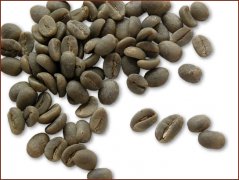
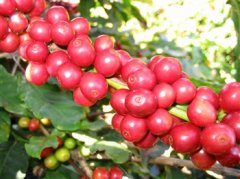
What Is Jamaica Blue Mountain Coffee?
When coffee lovers ask what makes a coffee ‘legendary,’ many point to Jamaica Blue Mountain. But few actually know what qualifies as true Blue Mountain coffee—or why it commands such high prices. If you’ve ever wondered whether the ‘Blue Mountain’ at your local café is the real deal, or why this coffee is so famously balanced, this guide explains everything.
Jamaica Blue Mountain coffee refers only to beans grown in a specific region of the Blue Mountains in eastern Jamaica, certified by Jamaican authorities. Annual production is under 2,500 tonnes—less than 0.01% of global coffee output—and much of it historically went to Japan. That scarcity, plus strict quality controls, makes it one of the rarest and most sought-after coffees in the world.
What Is Jamaica Blue Mountain Coffee?
Despite common assumptions, not all coffee from Jamaica is Blue Mountain coffee. Officially, only beans grown in the defined Blue Mountain region—part of the island’s eastern highlands, reaching up to 2,256 meters above sea level—can carry the ‘Jamaica Blue Mountain Coffee’ label. The area’s climate features year-round cloud cover, cool temperatures, fertile volcanic soil, and consistent rainfall. These conditions slow cherry ripening and develop complex sugars, resulting in coffee with exceptionally smooth flavor and balance.
Why Is Blue Mountain Coffee So Special?
Blue Mountain coffee holds a unique place in specialty coffee history. While Ethiopia represents coffee’s origin and Panama Geisha symbolizes modern innovation, Blue Mountain is the classic standard of refined, balanced specialty coffee from the 20th century. Its prestige comes from both rarity and consistency. With annual output under 2,500 tonnes globally—and Japan historically buying over 70%—supply has always been tight. In China, early import challenges added to its mystique, with rumors of fakes persisting. Yet since 2003, certified Blue Mountain coffee has been legally exported to China, and today genuine beans are available through proper channels.
What Does Jamaica Blue Mountain Coffee Taste Like?
Unlike bright African coffees or bold dark roasts, Blue Mountain coffee is renowned for its balance. It avoids extreme acidity or heavy bitterness, instead offering a smooth harmony of flavors. High-quality lots typically show notes of cream, caramel, chocolate, nuts, honey, and subtle fruit. The cup feels round and soft on entry, builds sweetness in the mid-palate, and finishes clean with long, layered aftertaste. This balance is why many baristas and roasters call it one of the most universally likable specialty coffees.
How to Identify Authentic Blue Mountain Coffee
Certification is key when buying Blue Mountain coffee. While official beans lack QR traceability, reputable importers provide export certificates, origin proofs, or display physical traits like the traditional wooden barrels. FrontStreet Coffee, for example, shows certificates from Jamaica’s Clifton Estate and photos of the signature 15kg, 45kg, or 70kg wooden casks used for shipment. These barrels themselves are a hallmark of genuine Blue Mountain coffee. Buyers should always choose sellers offering clear certification and origin documentation.
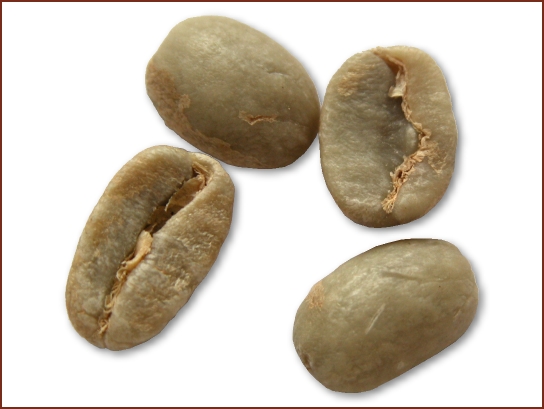
How to Brew Jamaica Blue Mountain Coffee
Many assume Blue Mountain is only for pour-over, but its balanced profile shines across methods. Whether brewed as pour-over, moka pot, or espresso, it highlights different facets of its flavor.
Pour-Over Brewing Guide
To experience its full nuance, pour-over is ideal. Use a brew ratio of 1:15 to 1:16, water at 85–88°C, and a medium-coarse grind. This brings out creamy, caramel, and nutty tones while preserving bright acidity and clarity. The result is a clean, transparent cup with layered sweetness.
Moka Pot Brewing Guide
For a richer, fuller-bodied cup, try a moka pot. Grind slightly finer than pour-over, use hot water, heat over medium-low flame, and remove the pot just before the brew finishes dripping. This enhances chocolate, caramel, and nut flavors, creating a thick, balanced shot that also works well in milk drinks like lattes or flat whites.
About Blue Mountain Grade: No.1
Within the Blue Mountain classification, No.1 is the highest grade, with strict standards for bean size, defect rate, and overall quality. FrontStreet Coffee’s Jamaica Blue Mountain No.1, for instance, comes with verified estate certificates and original wooden casks, ensuring traceability. Roasted to a medium-dark level, it highlights the classic balance with notes of nuts, dark chocolate, creamy caramel, and gentle sweetness. Acidity, sweetness, bitterness, and aroma are perfectly unified—making it an excellent choice for daily enjoyment or as a premium gift.
Frequently Asked Questions
What makes Jamaica Blue Mountain coffee different from other Jamaican coffee?
Only coffee grown in the officially designated Blue Mountain region of eastern Jamaica, certified by Jamaican authorities, can be called Jamaica Blue Mountain coffee. Other Jamaican coffee may come from different regions with less stringent controls.
Why is Jamaica Blue Mountain coffee so expensive?
Its high price is due to limited production (under 2,500 tonnes annually), historical demand (especially from Japan, which bought over 70% of the crop), and strict quality certification. Supply rarely meets global demand, keeping prices elevated.
How can I tell if my Jamaica Blue Mountain coffee is real?
Look for certified importers who provide export documents or origin proof. Genuine beans are traditionally packed in 15kg, 45kg, or 70kg wooden barrels—a key indicator. Avoid sellers without clear certification or origin details.
What’s the best way to brew Jamaica Blue Mountain coffee?
It performs well in most methods, but pour-over highlights its subtle layers (use 1:15–1:16 ratio, 85–88°C water, medium-coarse grind), while moka pot enhances richness (slightly finer grind, medium-low heat). Both showcase its balanced profile.
What does Jamaica Blue Mountain No.1 mean?
No.1 is the highest grade within Blue Mountain, with strict rules for bean size, defects, and quality. It represents the finest examples of the region’s coffee, often with traceable estate origins and premium roasting profiles.
Where can I buy certified Jamaica Blue Mountain coffee?
Certified beans are available through importers like FrontStreet Coffee, which provides estate certificates and original wooden barrels as proof of authenticity. Always check for clear origin and certification details.
Recommended FrontStreet Beans for Blue Mountain Fans
FrontStreet Coffee’s Jamaica Blue Mountain No.1 is a certified single origin with medium-dark roast notes of nuts, dark chocolate, creamy caramel, and gentle sweetness. Its balance and smooth profile make it a top example of the region’s legendary cup. Freshly roasted within 5 days · Orders placed before 17:00 ship the same day · Next-day delivery across most of Guangdong Province.
FrontStreet Coffee is a long-established specialty coffee roaster in Guangzhou China, selling freshly roasted beans from its own farm in Yunnan as well as dozens of carefully selected single-origin beans from around the world for both pour-over and espresso. The products deliver consistently excellent quality and great value, with shipping within 24 hours. Guangzhou's FrontStreet Coffee shop is recommended by many coffee lovers, and the beans are now available online at the Tmall 。
Important Notice :
前街咖啡 FrontStreet Coffee has moved to new addredd:
FrontStreet Coffee Address: 315,Donghua East Road,GuangZhou
Tel:020 38364473