
"output"
17418 article(s) found
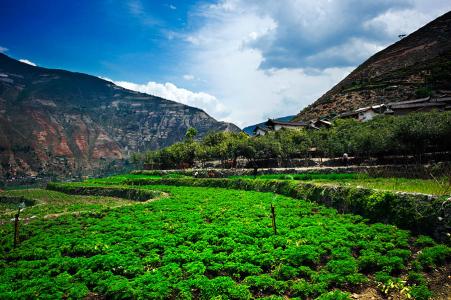
The total output value of coffee in Yunnan is expected to reach 35 billion yuan in 2020-the Yunnan provincial party committee and provincial government have always attached importance to it.
At present, coffee planting areas in the province are distributed in more than 40 counties (urban areas) in 10 cities. The main producing areas are Baoshan, Dehong, Pu'er and Lincang in southern and southwestern Yunnan. The acreage and output of the four cities account for more than 85% of the province. Coffee is also an important agricultural product for earning foreign exchange. In 2014, coffee exported 48429 tons and earned foreign exchange of 145.91 million US dollars, slightly more than the previous year.
What is the annual output of cat poop coffee beans in China?-how much is Manning Kopi Luwak?
What is the annual output of cat shit coffee beans in China-Mantenin Kopi Luwak coffee beans usually go through the process of shell fermentation. Coffee beans in the civets' intestines, special bacteria provide a unique fermentation environment, and the flavor becomes unique. Particularly thick and mellow. The coffee beans fermented by civets' intestines and stomach are very thick and mellow. Indonesian coffee has an earthy flavor and traditional Chinese medicine.
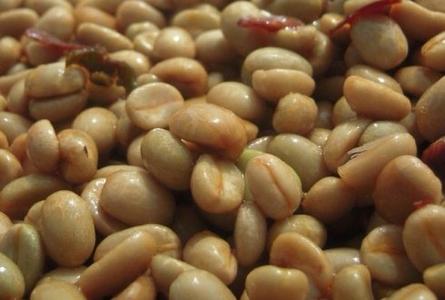
Costa Rican Tarazhu coffee beans with an annual output of only 160000 pounds
With an annual output of only 160000 pounds, Costa Rica Tarazu coffee beans taste: bright and varied smooth acidity, with citrus, berries, raspberries, etc., which softens and brings sweetness after the entrance, such as caramel-like thick Body, sweet hazelnut, sweet spices, fudge, stiff flowers and cool flowers in the nose, melons, almonds, sweet lime, sun-dried water.
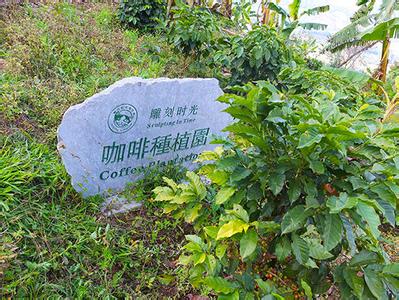
The global output of raw coffee beans in 2016 increased by about 1.4 million bags over last year.
The global output of raw coffee beans in 2016 increased by about 1.4 million bags over last year. Brazil is still the top coffee producer in the world, followed by Vietnam, the high producer of Robusta. Although Arabica is more fastidious about its growing environment, due to market demand, the output of Arabica this year is still much higher than that of Robusta, and the proportion is close to 7:3 in terms of global coffee consumption.

Six kinds of world-famous Ethiopian coffee
1. Limu coffee grows between 1400 meters and 2000 meters above sea level. Wash the coffee. Excellent quality, with strong nut aromas, suitable acidity, with the intensity of wine. The annual output is 29000 tons. 2. Jima Coffee grows between 1400 and 1800 meters above sea level. Sun-baked coffee. Slightly sour, with nutty aromas and a long finish. The annual output is 70000 tons. 3. Growth of Gamby Coffee
Six world-famous coffee varieties in Ethiopia
1. Li Mu Coffee 2. Jima Coffee develops between 1400 meters and 1800 meters above sea level. Sun-baked coffee. Slightly sour, with fragrance and a long aftertaste. The annual output is 70000 tons. 3. Gambi coffee develops between 1500 meters and 2300 meters above sea level. It is gourmet coffee with moderate acidity and fragrance of water. The annual output is 34000 tons. Develop at an altitude of 1500
Coffee boutique study six kinds of world-famous Ethiopian coffee
1. Limu coffee grows between 1400 meters and 2000 meters above sea level. Wash the coffee. Excellent quality, with strong nut aromas, suitable acidity, with the intensity of wine. The annual output is 29000 tons. 2. Jima Coffee grows between 1400 and 1800 meters above sea level. Sun-baked coffee. Slightly sour, with nutty aromas and a long finish. The annual output is 70000 tons. 3. Growth of Gamby Coffee
Boutique coffee recommends six kinds of world-famous Ethiopian coffee
1. Limu coffee grows between 1400 meters and 2000 meters above sea level. Wash the coffee. Excellent quality, with strong nut aromas, suitable acidity, with the intensity of wine. The annual output is 29000 tons. 2. Jima Coffee grows between 1400 and 1800 meters above sea level. Sun-baked coffee. Slightly sour, with nutty aromas and a long finish. The annual output is 70000 tons. 3. Growth of Gamby Coffee
Boutique Coffee six kinds of world-famous Ethiopian coffee
1. Limu coffee grows between 1400 meters and 2000 meters above sea level. Wash the coffee. Excellent quality, with strong nut aromas, suitable acidity, with the intensity of wine. The annual output is 29000 tons. 2. Jima Coffee grows between 1400 and 1800 meters above sea level. Sun-baked coffee. Slightly sour, with nutty aromas and a long finish. The annual output is 70000 tons. 3. Growth of Gamby Coffee
Boutique Coffee Common sense six world-famous Ethiopian coffees
1. Limu coffee grows between 1400 meters and 2000 meters above sea level. Wash the coffee. Excellent quality, with strong nut aromas, suitable acidity, with the intensity of wine. The annual output is 29000 tons. 2. Jima Coffee grows between 1400 and 1800 meters above sea level. Sun-baked coffee. Slightly sour, with nutty aromas and a long finish. The annual output is 70000 tons. 3. Growth of Gamby Coffee

Introduction of six kinds of world-famous Ethiopian coffee beans
1. Limu coffee grows between 1400 meters and 2000 meters above sea level. Wash the coffee. Excellent quality, with strong nut aromas, suitable acidity, with the intensity of wine. The annual output is 29000 tons. 2. Jima Coffee grows between 1400 and 1800 meters above sea level. Sun-baked coffee. Slightly sour, with nutty aromas and a long finish. The annual output is 70000 tons. 3. Growth of Gamby Coffee

Ethiopian Fine Coffee introduction Ethiopia Fine Coffee Origin introduction Ethiopia Russia
1. Limu coffee grows between 1400 meters and 2000 meters above sea level. Wash the coffee. Excellent quality, with strong nut aromas, suitable acidity, with the intensity of wine. The annual output is 29000 tons. 2. Jima Coffee grows between 1400 and 1800 meters above sea level. Sun-baked coffee. Slightly sour, with nutty aromas and a long finish. The annual output is 70000 tons. 3. Growth of Gamby Coffee

Djimmah accounts for about 50% of Ethiopia's annual output (1000000bags/60kg).
Djimmah, which accounts for about 50 per cent of Ethiopia's annual output (1000000bags/60kg), grows between 4400 and 6000 feet above sea level in the southwestern highlands of the country (the border between Kaffa and Illubabor provinces) and is usually exported by G5/G4. However, in recent years, about 10% or 20% of Gima has been used to make up for the lack of taste of coffee, but its quality has gradually declined.

Coffee beans introduce six kinds of world-famous Ethiopian coffee
1. Limu coffee grows between 1400 meters and 2000 meters above sea level. Wash the coffee. Excellent quality, with strong nut aromas, suitable acidity, with the intensity of wine. The annual output is 29000 tons. 2. Jima Coffee grows between 1400 and 1800 meters above sea level. Sun-baked coffee. Slightly sour, with nutty aromas and a long finish. The annual output is 70000 tons. 3. Growth of Gamby Coffee

Coffee beans introduce six kinds of world-famous Ethiopian coffee
1. Limu coffee grows between 1400 meters and 2000 meters above sea level. Wash the coffee. Excellent quality, with strong nut aromas, suitable acidity, with the intensity of wine. The annual output is 29000 tons. 2. Jima Coffee grows between 1400 and 1800 meters above sea level. Sun-baked coffee. Slightly sour, with nutty aromas and a long finish. The annual output is 70000 tons. 3. Growth of Gamby Coffee

The green dream of Yunnan coffee is the only way to take intensive processing, and join the competition of international coffee giants.
Yunnan coffee was planted on a large scale in the mid-1950s, with a planting scale of 4000 hectares at one time. By the end of 1997, the planting area of coffee in the province had reached 7800 hectares. At present, the planting area of the province accounts for 70% of the national area, and the output accounts for 83% of the whole country. Yunnan coffee has established the dominant position in China in terms of planting area and coffee bean production. At present, Pu'er City is still there.
Boutique coffee is based on six kinds of world-famous Ethiopian coffee
1. Limu coffee grows between 1400 meters and 2000 meters above sea level. Wash the coffee. Excellent quality, with strong nut aromas, suitable acidity, with the intensity of wine. The annual output is 29000 tons. 2. Jima Coffee grows between 1400 and 1800 meters above sea level. Sun-baked coffee. Slightly sour, with nutty aromas and a long finish. The annual output is 70000 tons. 3. Growth of Gamby Coffee

Yunnan Pu'er Coffee what is the relationship between Yunnan Pu'er Coffee cultivation and roasting Coffee and Climate
Yunnan Pu'er coffee [output] compared with the popularity of Pu'er tea, the fame of Pu'er coffee is not commensurate with the output. Yunnan coffee production accounts for 98.8% of the country's total output; Pu'er coffee production accounts for 57.8% of Yunnan's total output; and the price of a cup of Starbucks coffee is equivalent to 25 cups of AA grade Yunnan coffee beans. [planting] in 2011, planting one mu of coffee trees in Pu'er could earn 4000 yuan and 8000 yuan.

The output of coffee beans in Yunnan reached 139000 tons at the end of the harvest season from 2015 to 2016.
A few days ago, the reporter learned from the Yunnan Provincial Coffee Industry Association that the province's coffee harvest season in 2015 and 2016 has ended. Preliminary statistics show that the province's coffee production reached 139000 tons, an increase of 21000 tons over the 118000 tons in the 2014-2015 harvest season. Although the output of 139000 tons is higher than that of the last picking season, it is affected by low temperature and cold wave disaster, low market price and other factors.