
"picking"
25925 article(s) found

Introduction to the processing process of coffee bean picking method
Introduction to the processing process of coffee bean picking method 1. Skin/Pulp: the outermost layer of coffee beans is covered with berry-like skin and pulp. In addition to the natural sun method, coffee beans treated by other methods must remove the skin and flesh within a few hours after picking. For coffee, peel and pulp are important by-products. In some places of origin, people will use

Nicaraguan Coffee Manor Lemon Tree Manor introduces Matagalpa producing area
In order to ensure the quality of coffee, the manual picking method is used to pick the fully ripe fruits one by one, which usually takes three times to complete. Although the manual picking method has high labor cost and low picking efficiency, it can greatly protect the plant from being hurt in the picking process, and the mature fruit will have better sweetness at the same time.

Panamanian Duncan Manor Duncan Poquet producing area Solar Kaddura Fine Coffee Bean Variety planting Market
Located in the Balu volcano producing area, with a unique micro-climate and volcanic topography, Rain Water has a rich growing period and a distinct dry and wet season; coupled with the flow of lava in the volcanic zone, the fertile volcanic black soil and good drainage have unique growth conditions, and the smell of coffee produced is particularly fascinating. The elevation here is more than 1700 meters, the wind is very strong, and there are many huge coniferous forests in the garden.

Coffee eyedropper with the best pick-me-up effect.-what's the pick-me-up effect of black coffee?
Stephen Miller, a neuroscientist at the University of Health Sciences Unified Service in Maryland, found in 2013 that drinking coffee when cortisol levels peaked between 8am and 9am was not the best pick-me-up and produced tolerance to caffeine. Cortisol is an important hormone that can help the body regulate the biological clock and improve alertness. The rise and fall of cortisol level in human body

High-quality coffee bean treatment: picking-berry treatment-drying
The coffee beans we are talking about are actually the seeds of a fruit similar to cherries. Coffee trees produce berries, called coffee berries, whose bright red color means they are ripe and ready to be picked. The fruit clustered on the branches. The outer skin (exocarp) of coffee berries is thick and bitter. However, the fruit (mesocarp) inside is very sweet and has the texture of grapes. And then there's parenchyma, which is like

What is the difference between cold brewing Darjeeling black tea and Darjeeling spring tea?
The tea leaves of Darjeeling's first tea season are green, although this tea is classified as black tea. I want to explain why. Darjeeling, India, where only the first flowering leaves are green, produces three kinds of tea: spring tea, spring tea (March-April), summer tea (May-June) and autumn tea (September-November). Darjeeling Summer Harvest
The harvest and processing process of coffee beans and two basic processing methods
Picking: due to climatic differences, the harvest season is usually from September to March in the Northern Hemisphere and from April to August in the Southern Hemisphere. When the coffee beans are ripe, they can be picked. In many alpine slopes, coffee must be picked manually. In relatively flat producing areas such as Brazil, Australia and Hawaii, they can be picked by machines. These two methods

The Origin and Development Calendar of Kaddura Fine Coffee beans in the Duncan Poquet area of Duncan Manor, Panama
Kotowa also attaches great importance to the ecological environment, does not use any chemical fertilizers at all, and uses cherry peel and pulp to produce high-nutrition compost to conserve coffee trees and give back to the land. Not only did the Panamanian environmental protection agency nominate Kotowa Coffee as the winner of the Panama National Environmental Protection Award in 2006, but also created the uniqueness of Duncan Manor coffee flavor, making the coffee beans produced.

The picking and processing of Coffee seasonal Flavor description of Coffee Variety producing area
Seasonal flavor description of coffee picking and processing methods Water washing method, also known as wet treatment, within 12 hours after coffee picking, the outer pulp of the coffee fruit is removed by a pulp separator, the coffee beans are soaked in a large cement tank filled with water, the fruits are separated, and then the coffee beans are pasted in the fermentation box for about 12-36 hours.

Coffee roasting-if you want to learn to bake beans, you should first know how to pick good beans.
If you want to learn how to bake beans, you should first know how to pick good beans and exchange professional coffee knowledge. For more information about coffee beans, please follow the Coffee Workshop (Wechat official account cafe_style). This article is provided to readers who know about heavy coffee, or those who plan to become bakers should pay attention before buying raw coffee beans. It takes patience to pick beans. Fine coffee taken from shell beans must be rooted before being exported.

Boutique Coffee beans: boutique Coffee vs Commercial Coffee guarantee the quality of Coffee from the Source
Why is boutique coffee called boutique coffee in the small coffee town of Lisalda in Caldas, Colombia? The quality of fine coffee is much higher than that of ordinary commercial coffee, but why? Does it mean that boutique coffee is born more delicious? Of course not! The process of producing micro-batch boutique coffee is complex and tedious. From the selection of fertilizers to the shaded area of trees, from planting altitude to

The harvest and processing process of coffee beans and two basic processing methods
Picking: due to climatic differences, the harvest season is usually from September to March in the Northern Hemisphere and from April to August in the Southern Hemisphere. When the coffee beans are ripe, they can be picked. In many alpine slopes, coffee must be picked manually. In relatively flat producing areas such as Brazil, Australia and Hawaii, they can be picked by machines. These two methods
On the planting and picking of coffee trees
One of the characteristics of a coffee tree is that its fruit can bear fruit several times a year, and another is that flowers and fruits coexist at different stages of ripening. If the fruit is too ripe, the beans in it will rot. If the beans are not ripe, the beans will not ripen by themselves. So bean pickers often go through the same tree several times to find ripe fruit, but try their best.
Record of coffee bean picking process in Laos
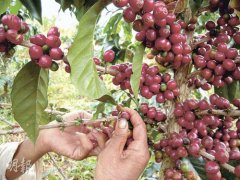
Bolaven Cafe serves clear Americano with breakfast. Arabica beans are picked by hand and twisted one by one with feminine force. Pick only bright red ripe fruit, not green (immature) and dark brown (rotten) fruit. The transparent pulp tastes sweet, and the coffee beans are wrapped in a hard shell in the middle. Farmers carefully and quickly wash freshly peeled coffee beans in preparation for fermentation.
The processing method of coffee beans after picking.
Since the coffee fruit does not ripen at the same time, the same branch may blossom at the same time, with green fruit or ripe fruit, so to obtain high quality coffee must be picked by hand. Once the coffee fruit is picked, the coffee bean must be separated from the coffee fruit as soon as possible. There are usually two ways to peel off the coffee fruit: washing (usually used in places where there is plenty of water) and drying.
Record of picking coffee beans in Laos
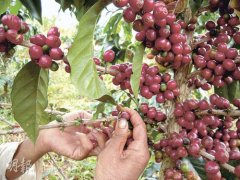
Bolaven Cafe comes with clear Americano for breakfast. When picking Arabica beans, use hands to twist them one grain at a time. Pick only ripe fruits in bright red, not green (immature) or dark brown (rotten). The transparent flesh tastes sweet, and coffee beans are wrapped in hard shells in the middle. Farmers are washing the freshly peeled coffee beans carefully and quickly, ready to ferment.
Coffee harvest time manually picked coffee beans
The vast majority of coffee is hand-picked. In order to ensure the quality of coffee, the picker needs to identify which fruits are suitable for harvest and pick them from the trees one by one, which takes a lot of energy and time. In this era of technology, such a human hand work is precious. (Due to different planting areas, the receiving time will also change)
Coffee planting knowledge planting and picking of Coffee trees
One of the characteristics of a coffee tree is that its fruit can bear fruit several times a year, and another is that flowers and fruits coexist at different stages of ripening. If the fruit is too ripe, the beans in it will rot. If the beans are not ripe, the beans will not ripen by themselves. So bean pickers often go through the same tree several times to find ripe fruit, but try their best.
Boutique Coffee on planting and picking of Coffee trees
One of the characteristics of a coffee tree is that its fruit can bear fruit several times a year, and another is that flowers and fruits coexist at different stages of ripening. If the fruit is too ripe, the beans in it will rot. If the beans are not ripe, the beans will not ripen by themselves. So bean pickers often go through the same tree several times to find ripe fruit, but try their best.

Suggestion on hand-pulping parameters of Kaddura Fine Coffee beans in Duncan Pocket of Duncan Manor, Panama
For the exchange of professional baristas, please follow the Duncan hand made by the coffee workshop (Wechat official account cafe_style). 15g powder, medium grinding (small Fuji ghost tooth cutter 4 grinding), v60 filter cup, 88-89 degrees water temperature, 30g water injection for the first time, steaming for 27 seconds, water injection to 105g water cut off, wait for the water volume of powder bed to be reduced to half and then water injection, slow water injection until 225g water, do not use water at the end.