What is the difference between cold brewing Darjeeling black tea and Darjeeling spring tea?
Darjeeling's tea in the first tea season is green, although this kind of tea is classified as black tea. I want to explain why. Only the leaves that bloom for the first time are green Darjeeling, India, which produces three kinds of tea: spring tea, spring tea (March-April), summer tea (May-June) and autumn tea (September-November). Darjeeling summer tea and autumn tea color is orange-brown. These two kinds of tea look like "black tea". The leaves of Darjeeling spring tea are green and the soup is milky yellow. Darjeeling spring picking tea they deliberately let Darjeeling spring picking tea green some people say Darjeeling spring picking tea is green because it contains less polyphenols, which is a characteristic of spring tea. However, this statement is not correct. In China, there are many high quality black teas, which are picked and produced in March and April. They are all orange-brown and rich in theaflavins. When tea is rich in theaflavins, we can judge by observing a gold ring formed in the cup when serving tea. So why is Darjeeling spring tea green? We asked the tea manufacturers this question and they confirmed that they intended to make Darjeeling spring tea look green. In fact, Darjeeling spring-picked tea can be made orange-brown if the manufacturer allows it to be fully fermented. They deliberately lowered the fermentation level to make it look green and fresh. Darjeeling autumn tea can also be processed green if the manufacturer wants to do so.
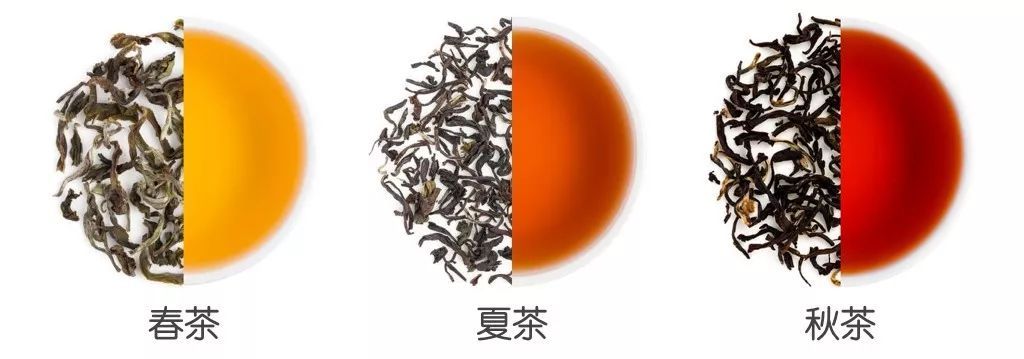
Darjeeling Autumn Tea A long time ago, Darjeeling spring-picked tea was not green. According to the manufacturer, the color of spring-picked tea was similar to that of autumn tea in the past. Because of the market demand, it has become so green now. The main buyers of Darjeeling spring picking tea are Japan and Germany, and the demand of these two markets plays an important role in the fermentation level of Darjeeling spring picking tea. At present, all the tea gardens in Darjeeling are processing light fermented spring-picked tea, which is why the spring-picked tea we see in the market is green. Why spring picking tea is green there is a little secret in the process of making Darjeeling spring picking tea. Due to its long withering period and the decrease of water level in tea, the withering process of slow fermentation is the key process of making black tea. Withering is the process of laying tea evenly on a perforated plate or bamboo plate and gradually reducing its water content. The purpose of withering is to make it easier to knead. Due to the low moisture content in the leaves, the texture becomes softer and more elastic. Once the moisture content of the tea decreases, it takes longer to ferment (after the rolling process) because the enzyme oxidation inside the tea becomes more difficult to activate. It's like a dehydrated apple, even if it's cut in half and exposed to the air, it's hard to turn brown. A milder degree of oxidative fermentation occurs after the rolling process. The tea was laid on a stainless steel tray and left there for some time. The fermentation time of spring-picked tea is usually shorter than that of autumn tea. Even if the fermentation time is as long as autumn tea, the leaves that bloom for the first time will not turn brown because of low moisture.
FrontStreet Coffee is a long-established specialty coffee roaster in Guangzhou China, selling freshly roasted beans from its own farm in Yunnan as well as dozens of carefully selected single-origin beans from around the world for both pour-over and espresso. The products deliver consistently excellent quality and great value, with shipping within 24 hours. Guangzhou's FrontStreet Coffee shop is recommended by many coffee lovers, and the beans are now available online at the Tmall 。
Important Notice :
前街咖啡 FrontStreet Coffee has moved to new addredd:
FrontStreet Coffee Address: 315,Donghua East Road,GuangZhou
Tel:020 38364473