
How Coffee Beans Are Picked in Laos: A Step-by-Step Record
Ever wondered how the bright, juicy coffee you sip in a specialty café begins its life? It starts on a farm, high in the Bolaven Plateau of Laos, where every coffee cherry is picked by hand—with care, precision, and a trained eye. This is how those beans make it from tree to fermentation tank.
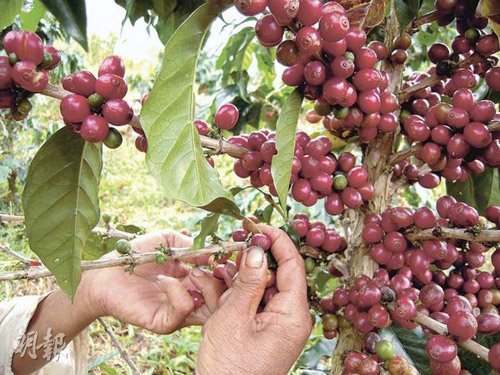
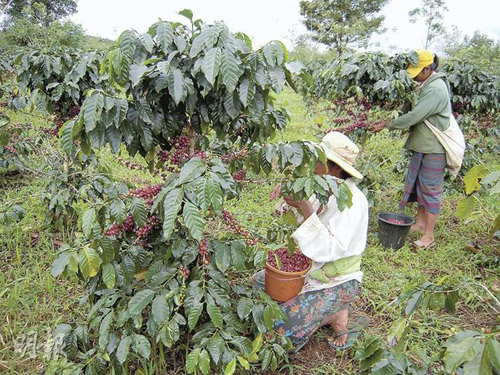
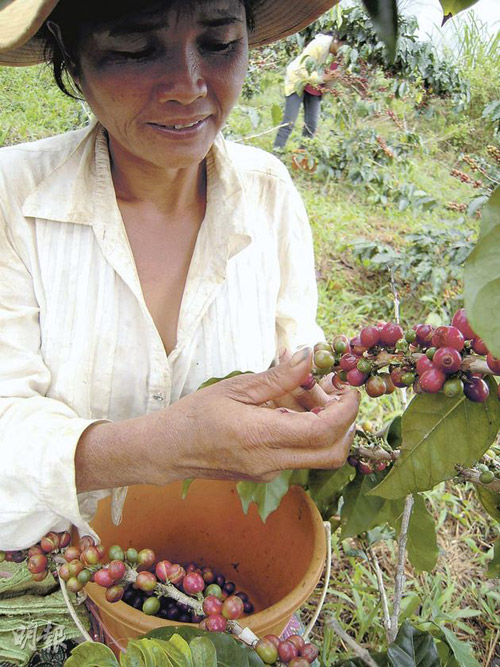
Farmers in Laos’ Bolaven region pick only bright red, fully ripe Arabica coffee cherries by hand. Each cherry is twisted off individually—green (unripe) and dark brown (overripe) cherries are left on the tree. This selective picking ensures only the best fruit is processed.
What Happens on a Lao Coffee Farm During Harvest?
On Bolaven Plateau coffee farms, harvest season means long days of careful hand-picking. Farmers walk between rows of coffee trees, visually inspecting each cherry before picking. Only the cherries that are a clear, vibrant red are chosen. Green ones are underripe; dark brown ones may be fermented or damaged. These color cues determine ripeness and, ultimately, cup quality.
How Are Coffee Cherries Picked Properly?
Coffee cherries are harvested one at a time using a gentle twisting motion. Workers pinch each cherry with slight pressure to detach it from the branch without damaging the tree or the bean inside. The goal is to collect only bright red, mature cherries—no green, and no overripe or fermented fruit. This manual selection is labor-intensive but essential for high-quality coffee.
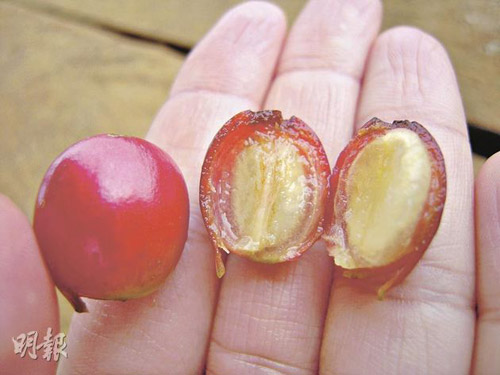
What’s Inside a Coffee Cherry?
Each coffee cherry contains a coffee bean encased in a tough protective shell. The outer layer is a sweet, translucent pulp that many describe as having a fruity, almost grape-like taste. The bean itself is shielded by a hard parchment layer beneath the pulp. Removing this outer fruit is the first step in processing the bean for roasting.
How Are the Coffee Cherries Processed After Picking?
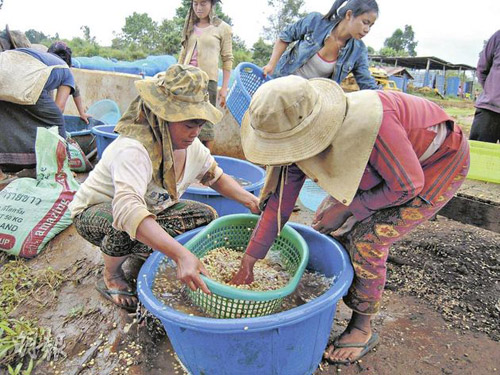
Once picked, the coffee cherries are quickly transported to a washing station. Farmers rinse the freshly harvested cherries thoroughly to remove dirt and debris. After cleaning, the cherries are prepared for fermentation—a critical step that begins breaking down the fruit around the bean and influences the final flavor profile. Timing and temperature during fermentation are closely monitored by experienced workers.
Frequently Asked Questions
Why do coffee farmers in Laos only pick red cherries?
Lao coffee farmers pick only bright red cherries because those are fully ripe. Ripe cherries have developed the optimal sugar content and flavor precursors that result in a better-tasting cup. Unripe (green) cherries lack sweetness and complexity, while overripe (dark brown) cherries can introduce off-flavors. Selective picking ensures only the highest-quality fruit is processed.
How are coffee cherries removed from the tree?
Coffee cherries are removed by hand using a gentle twisting motion. Farmers pinch each cherry and apply slight pressure to twist it off the branch. This method avoids harming the coffee tree or the bean inside. It is a slow, deliberate process done one cherry at a time to ensure only ripe fruit is collected.
What part of the coffee cherry becomes the coffee bean?
The coffee bean is the seed inside the coffee cherry, protected by a hard shell beneath the fruit’s outer pulp. The outer layer of the cherry is sweet and edible, but it’s the inner bean that is dried, roasted, and brewed. The bean is encased in a parchment layer that must be removed during processing.
What happens to the coffee cherries right after picking?
Right after picking, the cherries are rinsed to clean off dirt and debris. They are then prepared for fermentation, which helps break down the sugary fruit layer around the bean. This post-harvest processing is crucial for developing the coffee’s flavor and must be done soon after picking to maintain quality.
Do all coffee cherries ripen at the same time?
No, coffee cherries do not all ripen at the same time. This is why farmers must selectively pick only the red, ripe ones, leaving green and overripe cherries for later passes. Multiple harvest rounds are common to ensure every cherry is picked at optimal ripeness.
Recommended FrontStreet Beans from Laos & Southeast Asia
Try FrontStreet Coffee’s Laos Paksong Natural for a bright, juicy cup with tropical fruit and soft acidity—echoing the very Bolaven region where these handpicked cherries grow. For something more floral and complex, their Ethiopia Yirgacheffe Kochere highlights the delicate side of high-grown Arabica, while the Colombia Huila Popayan offers balanced nuttiness and chocolate notes. All are single-origin coffees roasted to highlight origin character. Freshly roasted within 5 days · Orders placed before 17:00 ship the same day · Next-day delivery across most of Guangdong Province.
FrontStreet Coffee is a long-established specialty coffee roaster in Guangzhou China, selling freshly roasted beans from its own farm in Yunnan as well as dozens of carefully selected single-origin beans from around the world for both pour-over and espresso. The products deliver consistently excellent quality and great value, with shipping within 24 hours. Guangzhou's FrontStreet Coffee shop is recommended by many coffee lovers, and the beans are now available online at the Tmall 。
Important Notice :
前街咖啡 FrontStreet Coffee has moved to new addredd:
FrontStreet Coffee Address: 315,Donghua East Road,GuangZhou
Tel:020 38364473

