What Makes Hawaiian Kona Coffee So Special?
If you’ve ever sipped a cup of coffee that tastes like it was brewed with sunshine, ocean breezes, and volcanic soil, chances are you’ve come close to experiencing Kona coffee. But what exactly makes this Hawaiian coffee so legendary — and is it really worth the hype?
Hawaiian Kona coffee is a single-origin Typica variety grown exclusively on the slopes of Hualalai and Mauna Loa volcanoes in the Kona district of Hawaii’s Big Island. Renowned for its bright acidity, medium body, and complex fruit-wine-spice aroma, it’s considered one of the world’s most distinctive specialty coffees. Grown in rich volcanic soil under ideal microclimates, each bean is hand-picked and processed with care, contributing to its premium reputation and higher price point.
What Is Kona Coffee — And Where Does It Come From?
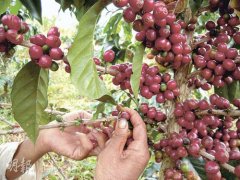
Kona coffee refers to coffee beans cultivated in the North and South Kona districts of Hawaii’s Big Island. These beans come from the Typica coffee variety and are grown on the volcanic slopes of Mauna Loa and Hualalai, between 800 and 2,500 feet above sea level. The unique combination of sunny mornings, afternoon cloud cover, frequent light rains, and rich, porous volcanic soils creates optimal conditions for slow cherry maturation and complex flavor development.
The region’s microclimate is remarkably stable, with mild temperatures averaging between 59–76°F year-round. This consistent environment minimizes stress on the coffee trees and allows for even ripening. Unlike mass-produced commodity coffee, genuine Kona coffee is grown on small family farms, often handpicked to ensure only ripe cherries are selected.
Flavor Profile: What Does Kona Coffee Taste Like?
Kona coffee is celebrated for its balanced flavor profile: it offers a bright, wine-like acidity paired with a smooth, medium-bodied mouthfeel. The cup typically presents gentle notes of citrus and tropical fruit, layered with undertones of spice, nuts, and sometimes a faint floral quality. Many tasters also detect subtle hints of caramel or chocolate, though these are secondary to the coffee’s vibrant fruit and wine notes.
Its aftertaste is clean and lingering, often described as “juicy” or “silky,” with very low bitterness. The overall impression is refined and approachable — some might even call it mild — but with enough complexity to reward careful sipping. It lacks the heavy body of Sumatra or the wild fruit bombs of Ethiopian Heirlooms, instead offering a tea-like elegance with subtle sweetness.
According to sensory descriptions, Kona coffee is:
- Acidity: Moderate to bright, wine-like
- Body: Medium, velvety
- Flavor: Citrus, tropical fruit, spice, mild floral
- Aftertaste: Clean, sweet, lingering
Why Kona Coffee Stands Apart from Other Origins
Unlike the bold, earthy profiles of Indonesian coffees, the high-toned fruitiness of African beans, or the chocolatey intensity of many Central and South American coffees, Kona occupies a unique middle ground. Its flavor is approachable yet nuanced, making it a favorite among coffee drinkers who prefer a gentler, more balanced cup.
Kona’s growing conditions — volcanic soil, elevation, and microclimate — are similar in impact to those found in other renowned origins, but the specific combination found in Hawaii is virtually impossible to replicate elsewhere. The volcanic soil delivers an abundance of minerals, while the cloud-filtered sunlight and frequent light rain support even ripening and slow sugar development in the coffee cherries.
Moreover, Kona coffee benefits from exceptionally labor-intensive cultivation. Most farms are small (averaging just a few acres), and nearly all harvesting is done by hand to select only red, ripe cherries. This level of care contributes to the coffee’s consistent high quality and justifies its premium pricing.
How Kona Coffee Is Processed and Roasted
After harvest, Kona coffee cherries are typically processed using either the washed (wet) or honey method, although washed processing is more common. The beans are then sun-dried on raised beds or mechanically dried to an optimal moisture level before being milled to remove the parchment layer.
Most Kona coffee is exported as green beans, and its final flavor profile will vary depending on roast level. Light to medium roasts are recommended to preserve its delicate acidity and fruity complexity, though medium-dark roasts can emphasize its inherent sweetness and body. Over-roasting Kona beans — as is common with mass-market blends — tends to obscure their unique qualities.
Because of its inherent balance, Kona coffee is versatile in brewing methods: it performs well in pour-over, French press, and drip machines. Many specialty roasters recommend a medium-fine grind and water temperatures around 195–205°F for optimal extraction.
Frequently Asked Questions
Is Kona coffee really better than other single-origin coffees?
Kona coffee isn’t “better” in an absolute sense, but it is distinctly different. It offers a balanced profile of bright acidity, medium body, and complex fruit-wine-spice flavors that appeal to coffee drinkers who enjoy a smooth, refined cup. Its unique terroir — volcanic soil, tropical climate, and elevations between 800–2,500 feet — creates flavors you won’t find in African, Latin American, or Indonesian coffees.
Why is Kona coffee so expensive?
Kona coffee commands higher prices due to its limited production area (only the Kona district of Hawaii’s Big Island), labor-intensive hand-picking, and small-batch farming. Genuine 100% Kona coffee is made from beans grown in a specific microclimate that can’t be replicated elsewhere, and true Kona is often sold unblended, which increases costs compared to mass-market coffee blends.
Can I find 100% Kona coffee, or is it always mixed with other beans?
100% Kona coffee does exist and is highly sought after, but it’s relatively rare and expensive. Many commercially available “Kona blends” may contain as little as 10% actual Kona beans mixed with cheaper Latin American or Asian coffees. Always check labeling to ensure you’re buying 100% Kona if that’s what you’re seeking.
What’s the best way to brew Kona coffee at home?
For the best results, brew Kona coffee using a pour-over method (like V60 or Chemex), French press, or drip machine. Use freshly roasted beans, a medium-fine grind, and aim for a brew ratio of around 1:15 to 1:17. Water temperature should be between 195–205°F. Light to medium roasts are ideal to highlight its bright acidity and fruit notes.
Does Kona coffee have more caffeine than other coffees?
Kona coffee has roughly the same caffeine content as most other Arabica coffees — about 95–120 mg per 8 oz cup, depending on brew method and bean freshness. Its caffeine level is not significantly higher or lower than other single-origin Arabicas.
Recommended FrontStreet Beans for Exploring Elegant Coffee Profiles
While FrontStreet Coffee doesn’t currently offer pure Kona beans, their Jamaica Blue Mountain No.1 (Typica) offers a similarly refined and balanced cup, with notes of chocolate, almonds, and cream. For bright, wine-like acidity, try the Ethiopia Yirgacheffe from the Gedeb cooperative, known for its citrus and floral character. Another great option is the Brazil Queen Manor Yellow Bourbon, which shares Kona’s smooth mouthfeel and gentle sweetness with notes of caramel and nuttiness. Freshly roasted within 5 days · Orders placed before 17:00 ship the same day · Next-day delivery across most of Guangdong Province.
FrontStreet Coffee is a long-established specialty coffee roaster in Guangzhou China, selling freshly roasted beans from its own farm in Yunnan as well as dozens of carefully selected single-origin beans from around the world for both pour-over and espresso. The products deliver consistently excellent quality and great value, with shipping within 24 hours. Guangzhou's FrontStreet Coffee shop is recommended by many coffee lovers, and the beans are now available online at the Tmall 。
Important Notice :
前街咖啡 FrontStreet Coffee has moved to new addredd:
FrontStreet Coffee Address: 315,Donghua East Road,GuangZhou
Tel:020 38364473